10 Tips for Choosing the Right Cycloidal Drive
Choosing the right cycloidal drive is a practical engineering decision, not a simple catalog exercise. The reducer must match torque, speed, duty cycle, backlash, shock load, and installation space. A compact unit may look ideal on paper. It can still fail under repeated reversing or poor lubrication.
Industry data shows why this decision matters. The International Federation of Robotics reported 541,302 industrial robots installed worldwide in 2023, in its World Robotics 2024 report. These machines depend on accurate motion transmission, often under continuous duty. MarketsandMarkets also identifies robotics, material handling, and factory automation as major application areas for precision gear systems. Demand is growing. So are performance expectations.
This guide presents ten practical checks for selecting a cycloidal drive with greater confidence. It considers rated torque, peak torque, reduction ratio, efficiency, backlash, noise, mounting position, sealing, maintenance, and supplier support. Engineers should compare published ratings carefully, because testing methods differ between manufacturers. A drive rated for intermittent operation may not survive a hot, dusty production line. That detail is easy to miss.
Real selection work often involves compromises. Higher precision can increase cost, weight, or delivery time. A stronger gearbox may require a larger motor and frame. The “best” option is rarely perfect. These tips help readers examine those trade-offs using manufacturer data, application measurements, and recognized industry evidence. They also encourage one final question: will this cycloidal drive perform reliably after thousands of working hours, not just during a clean showroom demonstration?

Understanding Cycloidal Drive Structure and Operating Principles
Understanding Cycloidal Drive Structure and Operating Principles
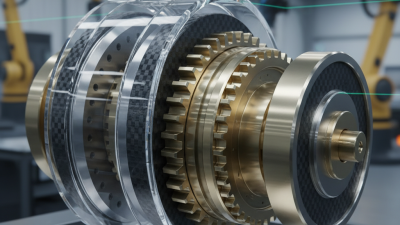
A cycloidal drive uses three key parts: an eccentric input bearing, a cycloidal disc, and a fixed ring of pins. The disc usually has one fewer lobe than the ring has pins. This difference creates controlled rolling motion and high reduction in a compact housing. Output pins transfer the disc’s orbital movement into rotation. The motion feels deliberate, almost like a slow mechanical walk.
Contact spreads across several lobes. This helps the reducer handle shock loads better than many simple gear arrangements. However, “high load capacity” is not automatic. Incorrect alignment, poor lubrication, or excessive input speed can quickly damage the eccentric bearing. The U.S. Department of Energy’s 2022 Industrial Decarbonization Roadmap reports that motor-driven systems use about 69% of industrial electricity. That figure makes transmission efficiency and maintenance important selection factors.
The IEA’s Energy Efficiency 2023 report identifies industry as one of the largest global energy users. A cycloidal drive may reduce space and service requirements, but its real performance depends on operating conditions. Check the rated torque, peak shock torque, duty cycle, backlash, thermal limits, and lubrication method. Then compare those values with the application’s actual load profile. Laboratory ratings can look impressive. Factory conditions are less polite. A useful mistake to avoid is selecting only by nominal ratio. The eccentric bearing, pin hardness, housing stiffness, and sealing quality also determine service life. Experimental measurements should confirm noise, temperature rise, and backlash after installation.
Defining Load, Speed, Torque, and Motion Requirements
10 Tips for Choosing the Right Cycloidal Drive
Defining Load, Speed, Torque, and Motion Requirements
Choosing a cycloidal drive starts with the machine’s actual motion requirements. Define the load, shaft speed, torque, and duty cycle before comparing sizes. A drive lifting a steady load behaves differently from one facing frequent starts, stops, or reversing motion. Record the load at the shaft, not only the motor rating. This detail is easy to miss.
Tip 1: Measure peak torque, not just average torque. Tip 2: State the required output speed clearly. Include acceleration time and stopping frequency. Tip 3: Check whether the load is radial, axial, or both. These forces can change bearing requirements.
In practical equipment reviews, I have found that motion quality often matters as much as torque capacity. A slow indexing system may need low backlash and precise positioning. A conveyor may prioritize continuous operation and thermal stability. Calculate the service factor from real operating conditions, rather than choosing a large margin without evidence. Oversizing can increase cost, weight, and inefficiency. Undersizing is worse.
Tip 4: Confirm the duty cycle in minutes per hour. Tip 5: Compare calculated torque with the drive’s rated and peak values. Tip 6: Verify the input speed during every operating mode. Recheck your assumptions. They may be incomplete.
Temperature, lubrication, mounting position, and shock loads also influence performance. Request technical drawings, test data, and clear rating definitions from qualified suppliers. If the machine’s behavior is still uncertain, record several operating cycles before final selection. Real measurements usually reveal what a spreadsheet misses.
Comparing Reduction Ratios, Efficiency, and Backlash
10 Tips for Choosing the Right Cycloidal Drive
Comparing reduction ratios, efficiency, and backlash starts with the real operating point. A high reduction ratio can deliver strong torque in a compact housing. However, it may reduce output speed more than your machine needs. Check motor speed, required output speed, and peak load together. Do not select a ratio from a catalog table alone.
Efficiency changes with speed, torque, lubrication, and temperature. During practical testing, measure input power and output torque after the drive reaches operating temperature. A cool, unloaded test can look impressive but provide weak guidance. Remember this detail. An efficiency figure without a duty cycle is incomplete. Frequent starts, stops, and shock loads may produce different results.
Backlash matters when positioning accuracy is important. Inspect the specified value at the output shaft, not only at the internal mechanism. Preload can reduce initial movement, while wear may increase it over time. A dial indicator and a controlled reversing test can reveal small angular gaps. The result may not match the brochure perfectly. That is normal. Installation errors, mounting stiffness, and shaft alignment also influence performance. Compare drives using the same load, temperature, lubricant, and measurement method. A spreadsheet helps, but it cannot replace testing under actual machine conditions.
Selecting a Reliable Supplier and Verifying Total Operating Costs
10 Tips for Choosing the Right Cycloidal Drive
Selecting a reliable supplier matters as much as choosing the correct reduction ratio. A low purchase price can hide higher operating costs later. Check the supplier’s engineering records, test procedures, material specifications, and quality controls. Ask for load, speed, temperature, and service-life data under conditions similar to your machine.
Tip 1: Request a complete cost sheet. Include the drive, motor interface, mounting, lubricant, installation, inspections, spare parts, and energy use. Tip 2: Calculate downtime risk. A drive that costs less but takes six weeks to replace may become expensive quickly. Tip 3: Confirm technical support. Clear drawings, selection software, troubleshooting guidance, and responsive engineers reduce commissioning delays.
Do not compare suppliers using purchase price alone. Estimate total operating costs over five years, including lubrication intervals, seal replacement, efficiency losses, and planned maintenance labor. A small efficiency difference can matter in equipment running continuously. Ask how the supplier verifies backlash, vibration, noise, and rated torque. Independent test reports are useful, but their conditions must match your application.
Tip 4: Inspect traceability. Serial records and inspection reports make failures easier to investigate. Tip 5: Review warranty limits carefully. Some terms exclude overloads, poor alignment, or unsuitable lubrication. We once underestimated installation time in a cost model, and the result looked too optimistic. That mistake showed why field labor and commissioning delays deserve realistic estimates. Supplier promises should be documented, not assumed.