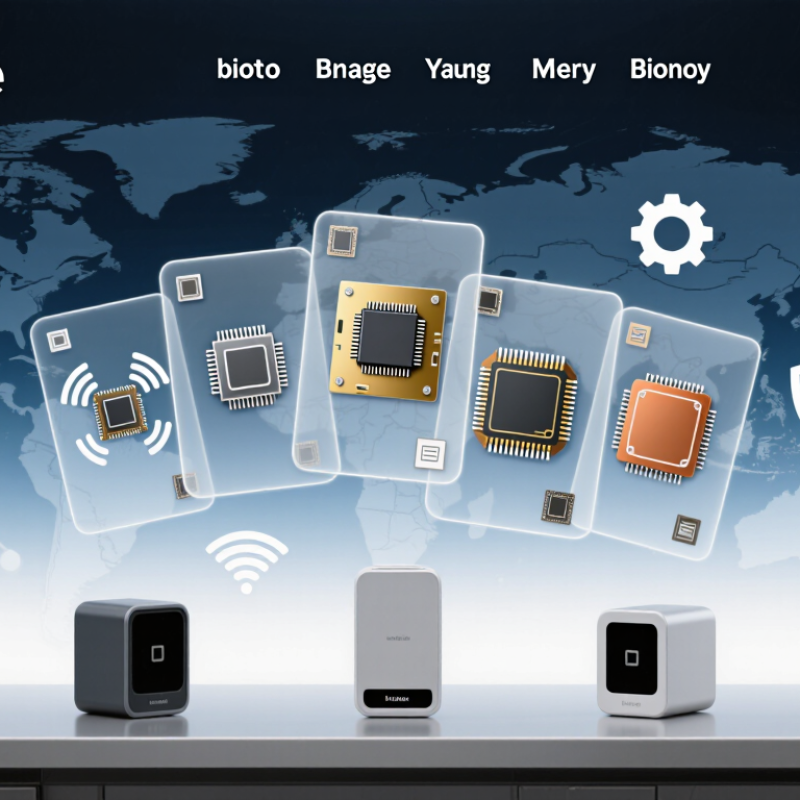
Global buyers should compare a dual-frequency card against their actual readers, not just a product sheet. Confirm both operating frequencies, chip type, communication protocol, and memory configuration. A card supporting 125 kHz and 13.56 MHz is not automatically compatible with every reader using those bands. Compatibility comes first. Ask for protocol documentation, then test sample cards on the installed equipment, including older readers and different door locations. Standards such as ISO/IEC 14443 and ISO/IEC 15693 may be relevant, depending on the system.
Security and durability matter just as much. Check whether credentials can be securely encoded, whether the card supports the required authentication method, and how lost cards can be revoked. Ask for material, temperature, and abrasion specifications; a card used daily in a damp access area faces different wear than one kept in a wallet.
IDTechEx’s RFID market forecast for 2024–2034 projects the broader RFID market will reach about US$25 billion by 2034. That growth signals wider adoption, but it does not guarantee interoperability for a particular card.
For international purchasing, request consistent sample testing, production tolerances, encoding records, and clear lead times. Confirm that the supplier can reproduce the tested configuration across batches. A checklist can still miss reader firmware differences or local installation quirks. That part deserves a second look. Compare total deployment cost, including encoding, reader updates, replacements, and support—not merely the quoted unit price.