2026 Best Galvanized Grating for Global Buyers
For global buyers, choosing the 2026 best Galvanized Grating requires more than comparing prices. The right product must match the environment, load, walking conditions, and installation method. A grating placed beside a coastal loading dock faces salt spray, standing water, and repeated forklift traffic. A factory platform may need stronger bearing bars, tighter spacing, and certified slip resistance.
Tom Langill, a longtime technical specialist with the American Galvanizers Association, has stated, “Good design is the beginning of corrosion protection.” His point remains practical. Galvanizing cannot correct poor drainage, unsuitable steel details, or careless handling. Buyers should examine coating thickness, zinc coverage, weld quality, panel dimensions, and surface finish. ASTM A123, ASTM A153, and ISO 1461 may support specification and inspection decisions, depending on the project location.
Reliable suppliers should provide drawings, material certificates, load tables, and traceable inspection records. Ask how panels are bundled. Ask how damaged edges are repaired. These details matter.
The cheapest option may not be economical. A thin coating can look acceptable initially, then deteriorate faster in humid or marine conditions. That risk is easy to underestimate. It is also unfair to treat every galvanized product as identical.
This guide compares practical specifications for international purchasing. It considers corrosion exposure, structural performance, safety, packaging, documentation, and after-sales support. Some recommendations may need adjustment. Local standards, site measurements, and engineer approval still matter. A careful buyer should question attractive claims, especially when technical evidence is missing.
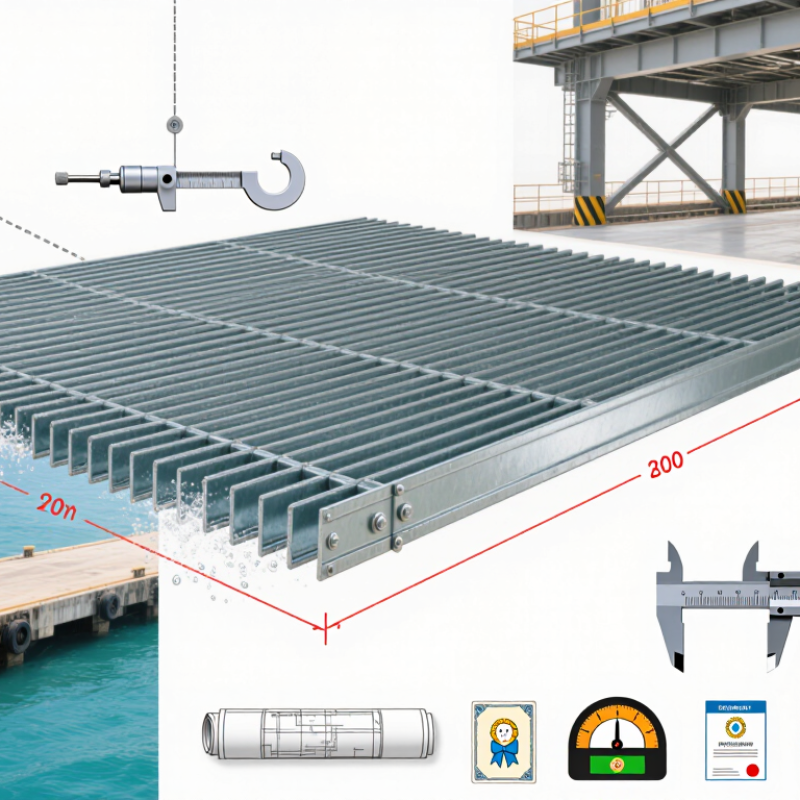
What Galvanized Grating Is and How It Works
2026 Best Galvanized Grating for Global Buyers
What Galvanized Grating Is and How It Works
Galvanized grating is a steel panel made from load-bearing bars and smaller cross bars. Open spaces let rain, dust, and process water pass through quickly. Serrated top surfaces improve traction around platforms, stairs, drains, and walkways.
Manufacturers usually hot-dip galvanize the finished grating. Molten zinc covers exposed steel, including edges and weld zones. Zinc then acts as a sacrificial layer. It corrodes before the underlying steel does. ASTM A123/A123M specifies an average zinc coating mass of 610 g/m² for steel over 6 millimeters thick, with 550 g/m² at any single location. ISO 1461 lists comparable minimum coating thickness values.
This protection is practical, not magical. The American Galvanizers Association reports that hot-dip galvanized steel can last more than 50 years in many rural environments. Industrial or coastal exposure may reduce service life sharply. That difference matters for global buyers. World Steel Association reported about 1.88 billion tonnes of crude steel production in 2024, showing the scale of steel use and the need for disciplined material selection.
A buyer should request coating certificates, steel grade details, bar dimensions, and weld inspection records. Check the zinc layer with a calibrated thickness gauge. Confirm load capacity for the actual span. A thick coating cannot correct weak design. I have seen specifications focus on zinc weight while ignoring drainage and deflection. That is an expensive mistake.
2026 Best Galvanized Grating for Global Buyers: What Galvanized Grating Is and How It Works
Hot-dip galvanized grating is carbon-steel grating coated with zinc to create a sacrificial corrosion barrier. The minimum average zinc coating thickness depends on the steel thickness, as specified by ISO 1461 for fabricated steel products.
The chart shows ISO 1461 minimum average coating thickness values commonly used when specifying hot-dip galvanized steel grating. Thicker steel sections require thicker minimum zinc coatings, helping improve durability in outdoor walkways, platforms, stairs, and industrial floors.
Key Types of Galvanized Grating for Different Applications
2026 Best Galvanized Grating for Global Buyers
Key Types of Galvanized Grating for Different Applications
Galvanized grating types serve different loads, spans, and working conditions. Welded Grating is a practical choice for platforms, walkways, and factory floors. Its welded joints provide stable support under regular foot traffic and equipment movement. Press-locked grating has a clean, flat appearance. It suits architectural floors, drainage areas, and locations requiring close bar spacing. However, its load capacity must match the project drawings. Swage-locked grating offers strong visual consistency and works well on pedestrian bridges, ventilation platforms, and elevated access routes. For intense vehicle loads, heavy-duty grating or reinforced trench covers are more suitable. Stair treads need additional attention. Serrated surfaces improve grip when oil, rain, or dust is present.
Tips: Check the bearing bar direction before installation. Measure the clear span, expected load, and opening size carefully. Hot-dip galvanizing usually offers stronger corrosion protection than thin surface coatings. Confirm the coating standard, steel grade, tolerances, and inspection documents with the supplier. Local climate matters too. Coastal air may require closer maintenance checks, even with galvanized steel.
In practical purchasing, mistakes often begin with attractive pricing. A low-cost panel may use undersized bars or unsuitable spacing. I have seen projects replace grating after vibration caused unexpected noise and movement. That experience is easy to overlook. Ask for load tables, drawings, sample sections, and traceable quality records before production. Consider cutting, lifting, drainage, and future replacement access. No single grating type fits every application.
Galvanizing Standards, Quality Checks, and Service Life
For global buyers, galvanized grating should be judged against recognized standards, not appearance alone. Hot-dip galvanizing commonly follows ISO 1461 or ASTM A123/A123M, depending on the project location. These standards define coating requirements, inspection methods, and acceptance conditions. The steel thickness affects the required zinc coating thickness. Ask for the applicable standard before approving production.
A bright silver surface is not proof of adequate protection. Inspectors should check coating thickness with a calibrated magnetic gauge at several points. One reading is not enough. Look for bare spots, excessive zinc buildup, rough edges, blocked openings, and poor weld finishing.
Verify panel dimensions, bearing bar spacing, load ratings, and surface flatness against approved drawings. In my experience, drainage often matters more than buyers expect.
Standing water and trapped mud can shorten service life, especially in coastal or industrial areas. Clean blocked drains and repair damaged areas promptly. Chloride exposure needs extra attention. Zinc can protect cut edges for a period, but severe abrasion removes that protection quickly.
Service-life estimates remain useful, yet they are never exact. Local climate, traffic, maintenance, and installation quality can change the result. Do not rely on a certificate alone. Pair documents with physical inspection, clear photographs, and traceable test records.