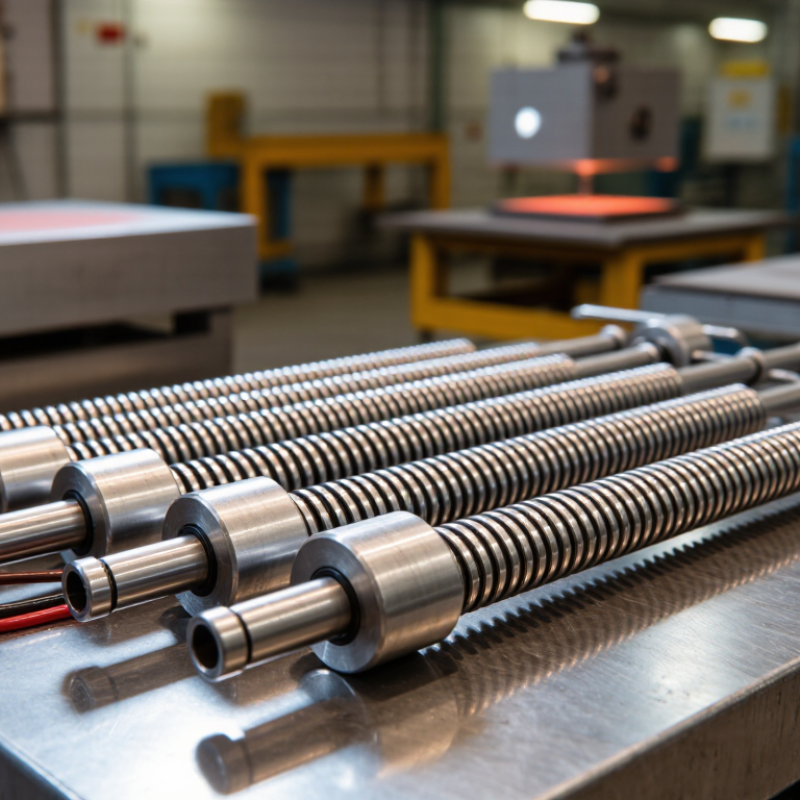
| Cartridge-style rod heater | Heating metal tooling, dies, platens, and other solid components with accurately sized bores. | Use a clean, correctly sized bore with close contact between the heater and surrounding metal. Provide for lead routing and thermal expansion; do not force an oversized element into a bore. | Use temperature control and independent overtemperature protection appropriate to the application. Confirm the heater is fully seated as specified and that leads are protected from heat, abrasion, and moving parts. | With power isolated and the assembly cool, inspect leads, terminals, and the bore for wear, contamination, or looseness. Check resistance and insulation condition according to the maintenance plan. | Confirm bore diameter and depth, heated length, voltage, power, lead style, operating temperature, and the supplier’s installation clearances. |
| Straight tubular rod heater | General-purpose heating in equipment where a sheathed element can be supported in a channel, fixture, or assembly. | Support the element as specified and avoid sharp bends, crushing, or direct contact with incompatible materials. Allow room for expansion and ensure connections remain accessible. | Ground metal sheaths and equipment as required by applicable electrical codes. Use suitable overcurrent protection, temperature controls, and guards against accidental contact with hot surfaces. | Inspect the sheath for corrosion, deformation, or damage and check terminals for looseness or overheating. Replace elements showing electrical or mechanical damage. | Check sheath material, dimensions, bend configuration, wattage, voltage, connection type, and compatibility with the process environment. |
| Finned rod heater | Heating moving air in ovens, ducts, and industrial air-handling equipment where increased surface area is useful. | Install with adequate airflow and the orientation and clearances specified for the assembly. Keep fins unobstructed and provide suitable supports for the heater and wiring. | Use airflow or fan interlocks where loss of airflow could cause overheating. Provide overtemperature protection and prevent combustible deposits from accumulating on hot surfaces. | Isolate power before cleaning. Remove dust and deposits using a method that will not bend fins or damage the sheath; inspect airflow components and electrical connections. | Verify airflow, duct dimensions, air temperature, fin material, pressure-drop constraints, power supply, and required temperature limits. |
| Flanged or screw-plug immersion rod assembly | Heating liquids in tanks or process vessels when the assembly is designed for direct immersion. | Install through a compatible vessel opening with appropriate sealing and mechanical support. Keep the active heating section immersed at the required liquid level and allow access for removal. | Use low-liquid-level protection or another suitable means to prevent dry firing. Confirm the sheath and seal materials are compatible with the liquid, temperature, and operating conditions. | Before servicing, isolate and cool the equipment and drain the vessel when required. Inspect for scale, corrosion, leakage, and damaged terminals; clean using methods suitable for the sheath material. | Check liquid chemistry, vessel pressure and temperature, immersion depth, sheath material, flange or plug dimensions, sealing method, and electrical requirements. |
| High-watt-density rod heater | Compact installations requiring substantial heat output from a limited element surface area, subject to process and material limits. | Install only in the specified fit and heat-transfer conditions. Confirm that the surrounding material or fluid can remove heat adequately and that control sensors represent the actual process temperature. | Assess the risk of localized overheating, especially in viscous, stagnant, or low-level conditions. Use suitable temperature limits and process interlocks; do not exceed the heater’s rated conditions. | Monitor for hot spots, deposits, discoloration, or changes in electrical readings. Investigate recurring element failures before installing a replacement. | Request the rated watt density and its basis, operating limits, required heat-transfer conditions, control recommendations, and compatibility data for the application. |
| Low-watt-density rod heater | Applications where gentler heat transfer is preferred, such as temperature-sensitive processes or liquids prone to fouling, when the design permits. | Confirm the element has sufficient active surface area and is installed in the intended medium or assembly. Maintain the specified immersion, spacing, and support conditions. | Use process-appropriate temperature control and protection against low liquid level or loss of heat transfer. Verify electrical enclosure and wiring suitability for the installation environment. | Inspect for deposits and corrosion that may reduce heat transfer. Check wiring, seals, and element condition during planned shutdowns. | Compare required heat output, available installation area, process temperature, medium properties, and the element’s rated operating conditions. |