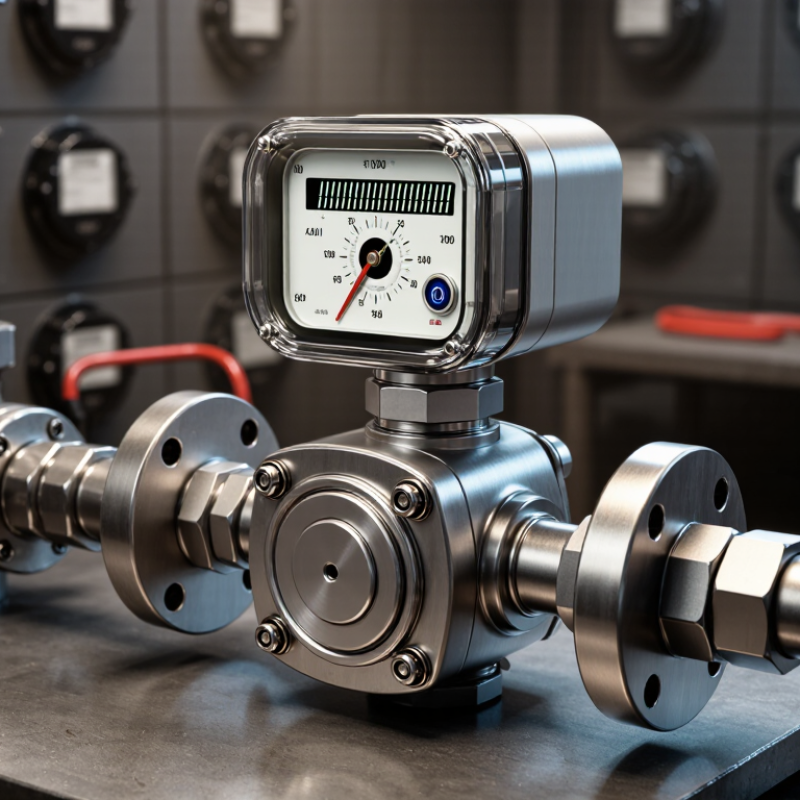
A valve water meter combines a flow-measuring element with a shutoff valve, often in one compact assembly. Water passes through a calibrated chamber or sensor; moving parts or ultrasonic signals register its volume. The meter records consumption, while the valve can isolate or restrict the line when operated. In smart installations, a controller may operate the valve remotely, but connectivity is not guaranteed. The label can be fuzzy. Some products bundle a valve; others simply sit beside one.
This distinction matters at a service box: the meter measures, while the valve stops flow for maintenance or alerts. The World Bank’s 2006 report, The Challenge of Reducing Non-Revenue Water in Developing Countries, estimated annual non-revenue water at about 32 billion cubic metres worldwide. That estimate includes leakage and other losses, not just unmetered household use. A meter can improve visibility, but it cannot repair a cracked pipe.
Small detail, big consequence.
A technician should check flow direction, pressure range, valve response, and calibration records before installation. Buyers should also ask whether readings remain available during power loss and whether manual shutoff is possible. That question is easy to miss.