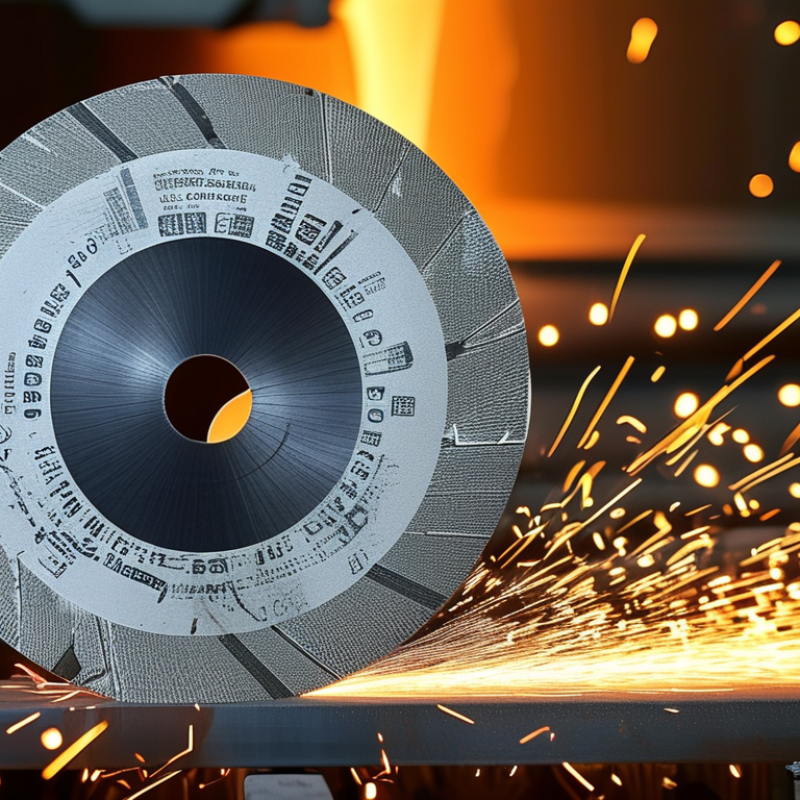
| Disc Type | Type 1 / Type 41 straight cut-off wheel | Confirm that the disc is designed for cutting, not grinding. Use only on compatible angle grinders, cut-off machines, or stationary saws. | A cutting disc is engineered for controlled radial cutting. Side loading or grinding with a straight cut-off disc can increase the risk of breakage. | Keep the original packaging intact until use. | Replace immediately if the disc has been used for side grinding, dropped, chipped, or cracked. |
| Abrasive Material | Aluminium oxide for carbon steel and general ferrous metals; zirconia or ceramic abrasive for selected high-performance applications. | Match the abrasive to the metal. For stainless steel, select a disc specifically marked for stainless or free from unwanted iron, sulfur, and chlorine contamination. | The correct abrasive reduces loading, discoloration, premature wear, and contamination of the workpiece. | Store in a dry, clean area away from water, oil, chemicals, and corrosive fumes. | Replace when cutting becomes unusually slow, the disc loads heavily, or excessive heat and discoloration occur. |
| Disc Diameter | Common sizes include 115 mm, 125 mm, 180 mm, 230 mm, and larger machine-specific diameters. | The disc diameter must match the tool guard and the equipment manufacturer's instructions. Never use a disc larger than the guard allows. | An incorrect diameter can prevent proper guarding and may cause the disc to exceed its permitted operating conditions. | Lay discs flat on a firm, level surface; avoid bending or stacking heavy objects on them. | Replace if the disc becomes warped, distorted, or cannot run freely inside the guard. |
| Disc Thickness | Approximately 0.8–1.6 mm for fast, low-force cutting; approximately 2.0–3.2 mm for greater rigidity and durability. | Choose thickness according to material thickness, required cut speed, machine stability, and operator control. | Thinner discs generally cut faster with less material loss but can be more sensitive to twisting and side pressure. Thicker discs provide greater rigidity but may cut more slowly. | Protect thin discs from bending, impact, and uneven support. | Replace when the disc reaches the minimum wear limit stated on the product instructions or when cutting stability deteriorates. |
| Maximum Operating Speed | Use only when the disc's marked maximum speed is equal to or higher than the tool's rated speed. Many resin-bonded cut-off wheels are rated around 80 m/s, but the label must control. | Compare the disc's maximum revolutions per minute or metres per second with the machine rating before fitting. | Exceeding the marked maximum speed can cause catastrophic disc failure. | Keep labels legible so the speed rating remains identifiable. | Replace if the speed rating is unreadable or the disc cannot be positively identified. |
| Safety Standard | Look for products manufactured and tested to a recognized standard such as EN 12413, ISO 525, or ANSI B7.1, as applicable to the market. | Check the packaging and product markings for the applicable standard, dimensions, application, maximum speed, and required warnings. | These standards address relevant requirements for bonded abrasive products, including design, marking, and safety information. Standard marking does not replace safe operating procedures. | Keep the packaging and instructions available for traceability and inspection. | Remove from service if required markings are missing, illegible, or inconsistent with the tool. |
| Machine Compatibility | Disc bore, diameter, thickness, guard, flange, and maximum speed must all match the machine. | Inspect the spindle, flanges, guard, and locking system. Use the correct reducing ring or mounting hardware only when permitted by the disc and machine instructions. | Incorrect mounting can produce runout, vibration, uneven loading, or disc failure. | Store discs so the bore and mounting surfaces remain clean and undamaged. | Replace if the bore is damaged, the disc does not seat correctly, or abnormal vibration occurs. |
| Pre-Use Inspection | Perform a visual inspection before every installation and use. | Look for cracks, chips, delamination, warping, moisture damage, worn markings, and signs of impact. Do not use a disc that has been dropped. | Damage may not always be visible after a disc has been dropped or struck, so a damaged disc should be discarded rather than tested in service. | Keep discs away from direct sunlight, frost, excessive heat, and rapid temperature changes. | Replace immediately when any structural damage or moisture-related deterioration is found. |
| Storage Environment | Clean, dry, temperate, and ventilated indoor storage. | Avoid water, high humidity, freezing conditions, direct sunlight, radiators, hot machinery, solvents, and corrosive chemicals. | Moisture and temperature extremes can affect the organic bond and reduce mechanical reliability. | Use the product's storage instructions. As a general practice, keep bonded discs off floors and on shelves with even support. | Do not rely on age alone; inspect before use and follow any expiry or use-by information supplied for the product. |
| Cutting Technique | Use light, steady pressure and keep the disc aligned with the cut. | Do not twist, bend, jam, or apply side pressure. Allow the disc to reach operating speed before contacting the workpiece. | Pinching and lateral loading are common causes of disc damage and kickback. | Store discs to prevent edge damage that could worsen during cutting. | Replace if the disc has been pinched, jammed, overheated, or subjected to severe vibration. |
| Workpiece and Application | Select a disc rated for the specific metal and workpiece thickness. | Confirm whether the task involves carbon steel, stainless steel, cast iron, tubing, sheet metal, or solid bar. Use a machine with sufficient power and the correct guard. | A disc suited to the material provides better cutting control and reduces overheating and excessive wear. | Prevent contact with metal dust, water, and cutting fluids during storage. | Replace when the disc is excessively glazed, clogged, burned, or no longer cuts efficiently. |
| Personal Protective Equipment | Use eye and face protection, hearing protection, suitable gloves, protective clothing, and safety footwear. | Use respiratory protection where required by the risk assessment and local regulations. Keep bystanders outside the hazard zone. | Cutting can produce sparks, particles, noise, and airborne dust. PPE supplements, but does not replace, guarding and safe technique. | Store PPE separately from abrasive discs and keep it clean and serviceable. | Replace PPE when damaged, contaminated, or no longer providing the required protection. |
| End-of-Life Decision | Use condition, markings, storage history, and the manufacturer's instructions to determine serviceability. | Do not use a disc solely because it is within an assumed time period. There is no universal replacement interval for every bonded abrasive disc. | Replacement timing depends on disc condition, application, handling, storage, and product-specific instructions. | Apply stock rotation and use older, verified serviceable stock first; do not use damaged or suspect discs. | Replace immediately when damaged, contaminated, expired according to product instructions, or unable to meet the machine and safety requirements. |