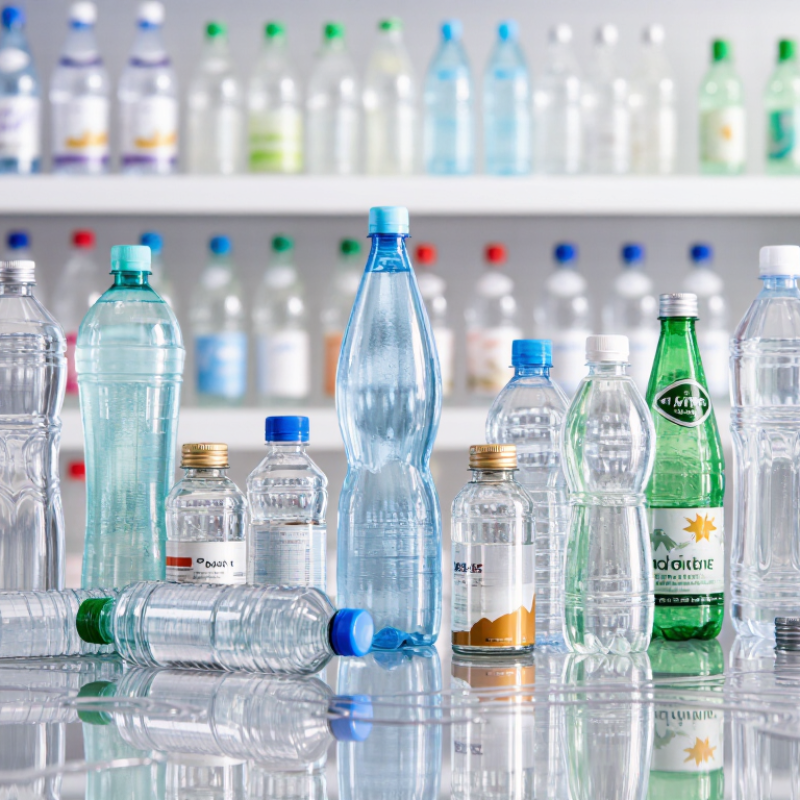
Global buyers should evaluate drinking water by source, treatment, safety data, and intended use. Spring, mineral, purified, and sparkling water serve different markets. Do not judge quality by label appearance alone. Clear water is not automatically safe water.
Ask the supplier for recent laboratory reports covering microbiological, chemical, and physical parameters. Check testing dates, laboratory qualifications, sample identity, and detection limits. Review the water source, extraction controls, filtration process, and disinfection method. Traceability should reach the production batch, packaging line, and shipment record. Small details matter here.
Packaging also deserves practical attention. Compare bottle materials, closure security, pallet strength, and storage limits. A product may pass factory tests but suffer during heat, freezing, or long transport. Request trial samples and inspect them after realistic handling. Review import rules, labeling language, recycling requirements, and required certificates in the destination market. Price is only one factor. A low quote can hide weak testing, short shelf life, or expensive inland delivery. I would not assume the cheapest compliant offer is the most reliable. Sometimes, buyers over-specify purity while ignoring damaged cartons and poor stock rotation. Build a supplier scorecard, but leave room to question your own assumptions. Ask for corrective-action records when results fall outside specification. Fancy documentation helps less than consistent evidence.