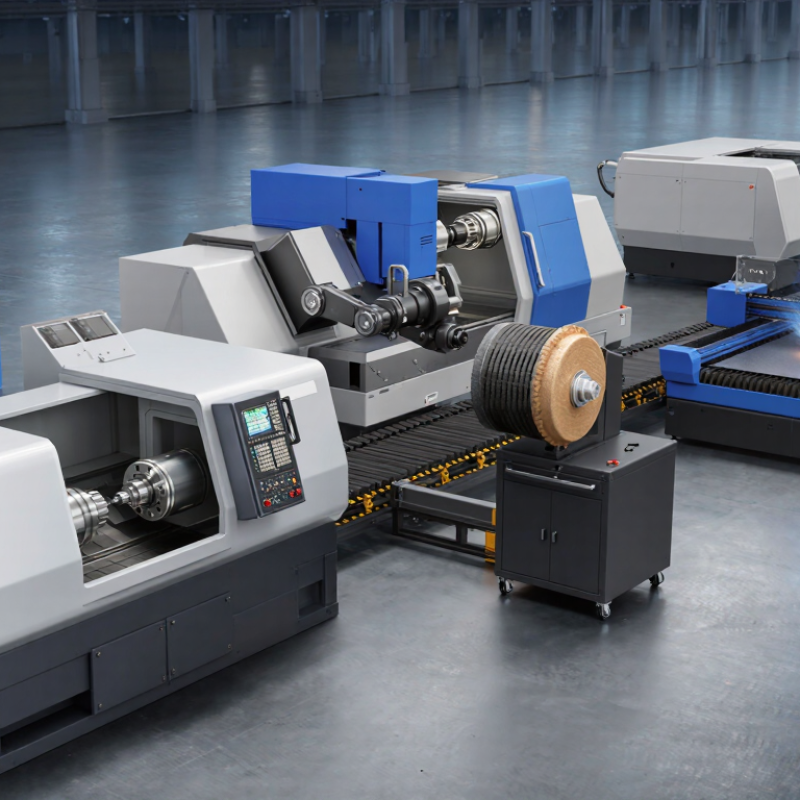
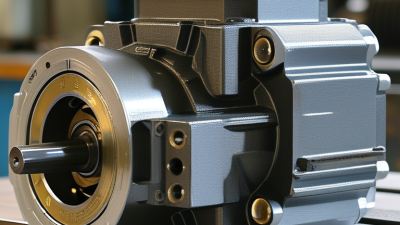
Modern machine tools in 2026 are defined by connected control, not cutting speed alone. Five-axis machining centers, multitasking lathes, laser systems, and hybrid machines increasingly combine sensing with automated decision-making. Real-time spindle load, vibration, temperature, and tool-wear data can adjust cutting conditions before a damaged edge ruins a batch.
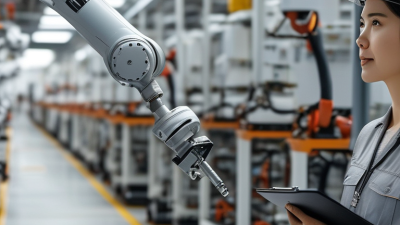
The demand is measurable. The International Federation of Robotics reported 541,302 industrial robots installed worldwide in 2023, with the operational stock exceeding 4.2 million units. This supports greater interest in robotic loading, machine vision, and lights-out production.
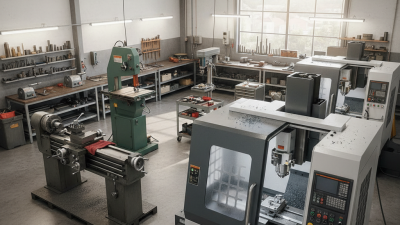
However, automation is not always the answer. A small workshop producing irregular prototypes may lose money through complex integration. Simple fixtures can still outperform expensive software.
Digital twins are also moving from demonstrations toward practical use. They help simulate collision risks, cycle times, energy use, and tool paths before metal is removed. The Wohlers Report 2024 valued the global additive manufacturing market at more than 20 billion dollars, encouraging hybrid machines that print, mill, and inspect one component.
Yet a digital twin can still be wrong when machine geometry, material behavior, or operator habits are poorly measured.
Energy monitoring matters too. Buyers now examine standby consumption, compressed-air demand, regenerative drives, and coolant management. Data from the U.S. Manufacturing Technology Orders report shows that capital equipment demand shifts with production confidence, so payback remains critical.
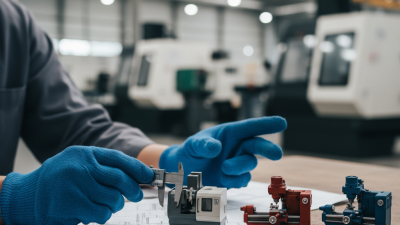
The best machine is not the most advanced one. It is the one that delivers stable parts, traceable data, and manageable maintenance in real working conditions.