2026 Top Filling Equipment Trends for Efficient Production?
In today's fast-paced manufacturing world, filling equipment plays a crucial role in production efficiency. Companies strive to optimize their operations. New trends in filling equipment emerge as technology evolves. These trends shape how industries approach packaging and assembly lines.
Investments in advanced filling equipment can lead to better resource management. Automated systems now allow for higher precision. Yet, not all companies adopt these innovations. Some stick to traditional methods, risking long-term inefficiencies. Reflecting on this, many businesses see the need for change but hesitate to act.
Sustainability also factors into filling equipment trends. Eco-friendly materials and energy-efficient designs are gaining traction. However, some manufacturers struggle with implementation. As they navigate these choices, they must weigh costs against potential gains. In the shifting landscape of production, recognizing these trends is vital for staying competitive.
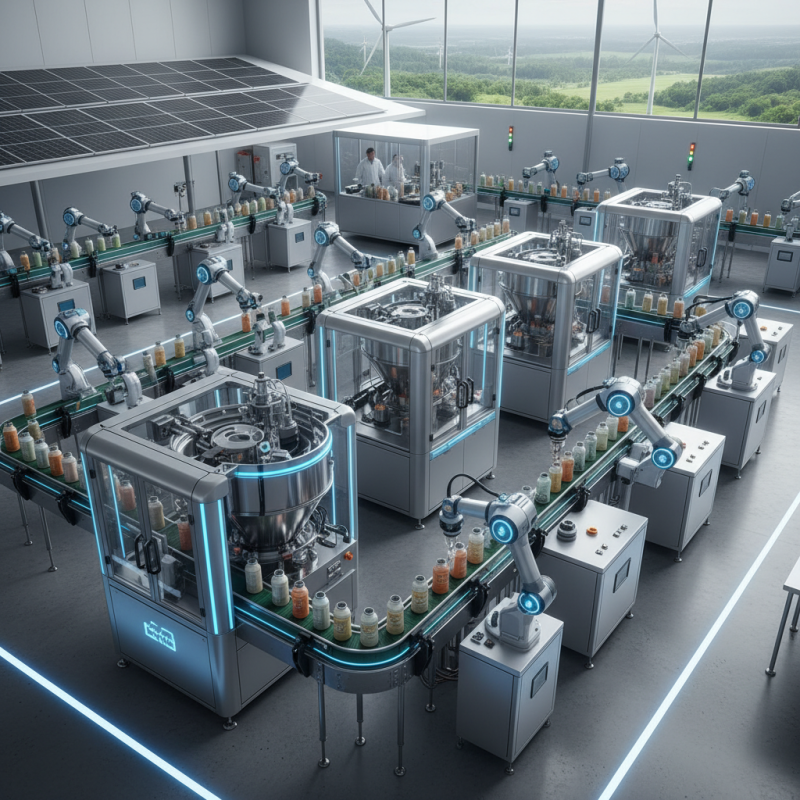
2026 Trends in Filling Equipment: Enhancing Production Efficiency
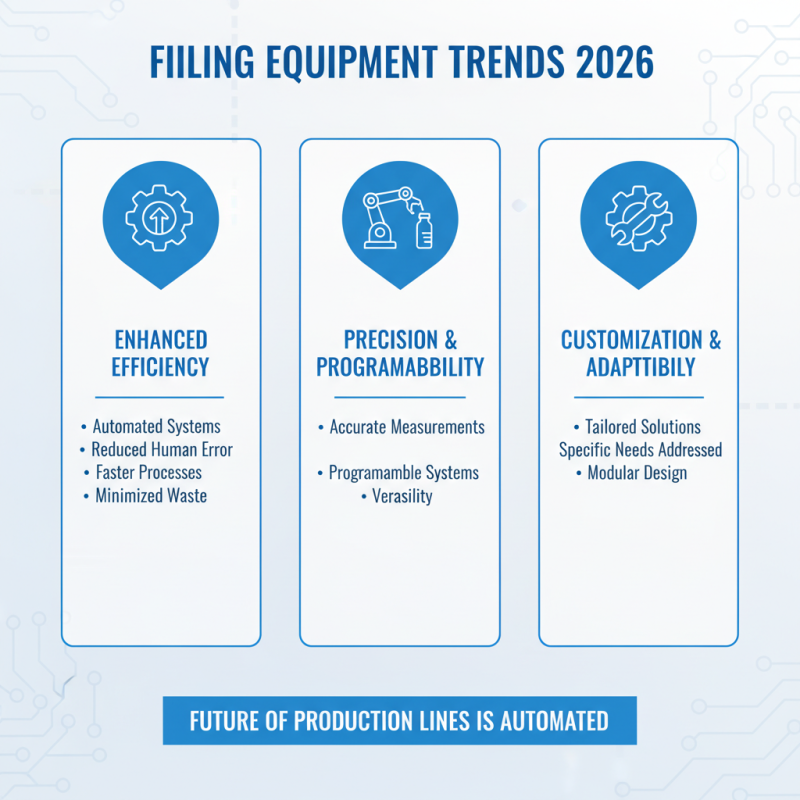
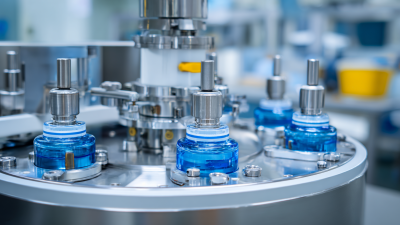
In 2026, filling equipment trends will focus on enhancing efficiency in production lines. Automated systems will dominate the market. These machines reduce human error and speed up processes. They also allow for precise measurements, minimizing waste. Many manufacturers will invest in programmable systems for versatility. Customization options will become more available, addressing specific needs.
Sustainability will be another key factor. Equipment that reduces energy consumption and waste will gain popularity. Eco-friendly materials in construction are becoming essential. Customers increasingly prefer brands committing to sustainability. There will also be a shift towards modular designs. This allows companies to scale up or modify operations easily. However, some businesses may struggle to adapt to new technologies, leading to challenges in implementation.
Data analytics will play a pivotal role. Companies will use real-time data to optimize production. Monitoring systems can identify bottlenecks quickly. However, interpreting data effectively remains a challenge. Many teams face hurdles in decision-making based on analytics. Balancing advanced technology with human expertise will be crucial for success in this evolving landscape.
The Rise of Automated Filling Systems in Food and Beverage Industries
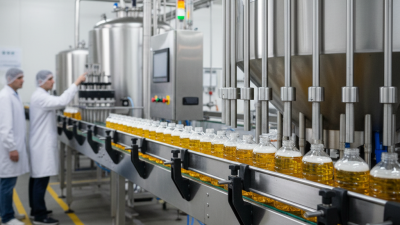
Automated filling systems are transforming the food and beverage industries. These systems improve
speed and accuracy. Manufacturers can fill containers quickly and with less waste. This automation reduces human error and enhances
consistency. The shift towards automation is driven by rising consumer demands and
competition. Companies are increasingly investing in these technologies to keep pace.
However, the transition is not without challenges. Implementing automated systems requires substantial investment and training.
Employees may need to adapt to new roles as machines take over repetitive tasks. Some workers express concerns about
job security amid this evolution. Additionally, companies must ensure that machines maintain
hygiene standards in food production.
Balancing efficiency and quality remains critical. Automated systems need regular maintenance to function optimally. There is always a
risk of malfunction, which can halt production. Companies must be prepared for these issues. Despite these complexities,
the benefits of automation are undeniable. The future looks promising for automated filling
systems in food and beverages.
Sustainable Practices in Filling Equipment: Reducing Waste and Costs
Sustainable practices in filling equipment are becoming increasingly crucial. Many manufacturers now focus on reducing waste and costs. The industry has reported that around 30% of production waste results from inefficient filling practices. This inefficiency not only affects the environment but also a company’s bottom line.
Investing in advanced filling technologies can significantly lower waste. For instance, automated systems help to ensure precise filling. A recent report highlights that companies adopting these systems have reduced material waste by up to 25%. However, transitioning to these sophisticated solutions isn’t always seamless. Some companies struggle with the initial investment and integration of new equipment.
Moreover, effective training for staff remains a challenge. Employees must understand these systems to maximize their potential. A survey found that 40% of workers felt unprepared to operate new filling technology. Improving training programs could bridge this gap. Sustainable practices should not just be a checklist, but rather an ongoing journey for efficiency and responsibility in production.
2026 Top Filling Equipment Trends: Sustainability and Efficiency
Integration of IoT Technology: Optimizing Production Lines in 2026
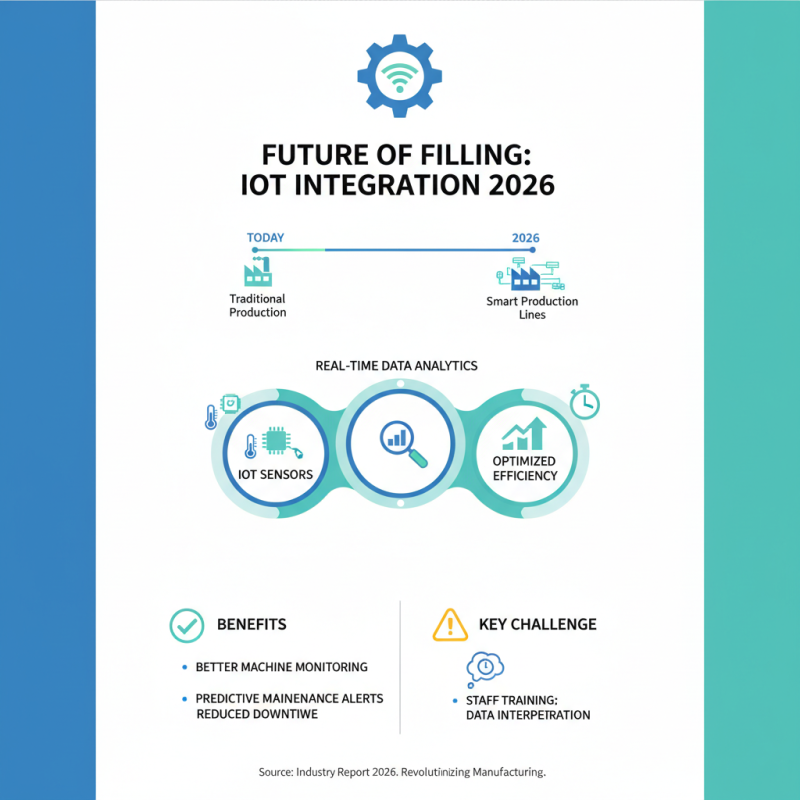
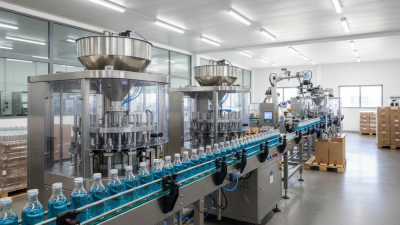
The integration of IoT technology in filling equipment is revolutionizing production lines. In 2026, manufacturers are expected to leverage real-time data analytics for improved efficiency. This allows for better monitoring of machines, ensuring they operate at optimal levels. Sensors can alert staff about potential issues before they escalate. However, there is still a need for proper training to interpret this data effectively.
As companies adopt these smart solutions, challenges arise. Some workers may resist new technologies, fearing job loss. This creates a gap that needs addressing. Training programs should focus on how IoT systems enhance, not replace, their roles. Additionally, security concerns about connecting devices and data sharing cannot be overlooked. Companies must implement robust cybersecurity measures to protect sensitive information.
Another concern is potential over-reliance on technology. When systems fail, the entire production can halt. Still, the benefits of IoT in optimizing filling processes outweigh these risks. The goal is to create a blend of human skill and machine efficiency. Balancing these aspects will be essential for success in 2026 and beyond.
Data-Driven Approaches: Leveraging Analytics for Filling Efficiency
In 2026, data-driven approaches will transform filling equipment efficiency. Analytics will play a critical role. Reports indicate that companies using analytics can achieve up to a 25% increase in production efficiency. Real-time data analysis helps identify bottlenecks in the filling process.
However, implementation poses challenges. Many companies struggle with integrating data systems. This can lead to incomplete insights. For instance, about 30% of filling lines run below optimal speed due to data issues.
Yet, the benefits are clear. Enhanced analytics lead to better decision-making. Predictive maintenance can reduce downtime by over 20%. Investing in technology is vital, but not all firms are prepared. Continuous training and adaptive strategies are essential for success in this rapidly evolving landscape.