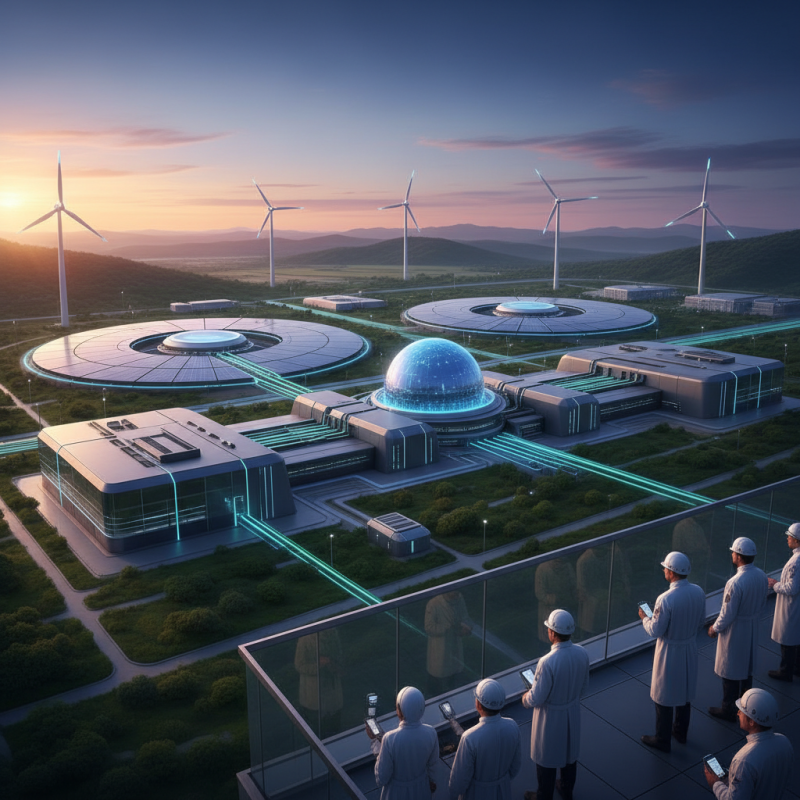
The landscape of energy management is evolving, particularly with YBM(P) Integrated Substations. Recent regulatory changes in energy policies are pivotal. According to a report by the International Energy Agency (IEA), global investments in renewable energy are projected to exceed $2 trillion by 2026. This shift impacts how substations integrate new technologies and energy sources.
Policies promoting decarbonization influence the design and operation of integrated substations. Enhanced efficiency requirements are essential. A study by the Electric Power Research Institute (EPRI) highlights the need for adaptive infrastructure. Existing substations must evolve to accommodate smart grid technologies and renewable sources. This transition isn’t without challenges, as older infrastructure may struggle to meet new mandates.
Tip: Stay updated on local regulations. Understanding their implications can help in strategic planning.
With the growth of electric vehicle (EV) adoption, substations must adapt. Research shows that EV charging will boost demand on power grids, requiring innovations in substation design. Regulatory frameworks must align with these developments to ensure reliability and safety. Assessing current capacity and future needs is crucial for planners.
Tip: Evaluate existing systems regularly. Regular assessments can identify potential gaps and areas of improvement.