| Zinc-Plated Carbon Steel Wedge Anchor | Carbon steel body, nut, and washer with electroplated zinc coating | Dry, interior concrete applications with low exposure to moisture and chemicals | Provides reliable mechanical expansion when installed in sound, fully cured concrete at the specified embedment depth and torque | ★★☆☆☆
Limited protection in wet, exterior, or corrosive conditions | Good for protected indoor applications; service life decreases when the coating is damaged or continuously exposed to moisture | Low | Widely available, economical, and easy to install with standard tools | Not generally preferred for persistent outdoor exposure, marine locations, or chemically aggressive environments | Interior equipment, shelving, handrails, and light-to-moderate structural attachments in dry concrete |
| Mechanically Galvanized Wedge Anchor | Carbon steel with a thicker mechanically applied zinc coating | Moderately damp areas and some protected exterior applications, subject to the applicable product specification | Mechanical expansion performance is similar to other properly selected wedge anchors of the same diameter and embedment | ★★★☆☆
Better zinc protection than standard electroplating, but not equivalent to stainless steel in severe exposure | Suitable for many general construction environments when exposure is moderate and maintenance is possible | Low to medium | Improved coating thickness without the full cost of stainless steel | Coating damage, standing water, salt, and aggressive chemicals can still cause corrosion | General construction, sheltered outdoor attachments, and moderately humid concrete areas |
| Hot-Dip Galvanized Wedge Anchor | Carbon steel coated with a metallurgically bonded zinc layer by hot-dip galvanizing | Exterior concrete applications with regular weather exposure, where a zinc-coated fastener is permitted | Provides the same basic expansion principle as other wedge anchors; design capacity depends on diameter, embedment, concrete strength, edge distance, and spacing | ★★★★☆
Thicker zinc coating offers stronger atmospheric protection than standard zinc plating | Long service potential in outdoor environments when the coating remains intact and the exposure is not highly aggressive | Medium | Good balance between exterior durability and purchase cost | May not be the preferred choice for marine splash zones, severe chemical exposure, or applications requiring stainless compatibility | Outdoor steelwork, barriers, canopies, signs, and equipment supports in ordinary atmospheric conditions |
| Type 304 Stainless Steel Wedge Anchor | Austenitic 304 stainless steel components, where the complete assembly is specified accordingly | Interior or exterior areas with humidity, occasional wetting, and moderate atmospheric corrosion risk | Offers dependable expansion in sound concrete; the design must account for the lower strength of some stainless grades compared with high-strength carbon steel | ★★★★☆
Strong general corrosion resistance; less suitable for high-chloride or marine exposure than 316 stainless steel | Typically provides long-term performance in many architectural and outdoor environments when correctly selected | High | Good corrosion resistance, clean appearance, and reduced risk of red rust staining | Higher cost; stainless steel can gall during installation, so compatible nuts, proper torque, and suitable installation practice are important | Architectural metalwork, exterior fixtures, food-service areas, and damp locations with moderate corrosion exposure |
| Type 316 Stainless Steel Wedge Anchor | Molybdenum-bearing 316 stainless steel components, when specified as a complete anchor assembly | Coastal, marine-adjacent, high-humidity, and chloride-exposed environments | Provides mechanical anchorage in concrete, but final capacity must be based on published technical data for the exact anchor and installation condition | ★★★★★
Superior chloride and corrosion resistance among the common stainless options listed here | Very long service potential in severe outdoor environments when exposure, installation, and maintenance are properly controlled | Very high | Best corrosion resistance in this comparison and strong suitability for demanding exterior applications | Highest purchase cost; installation requires care to reduce galling, and it may be unnecessary for dry indoor work | Marine-adjacent structures, coastal facilities, wastewater areas, pools, and severe chloride environments |
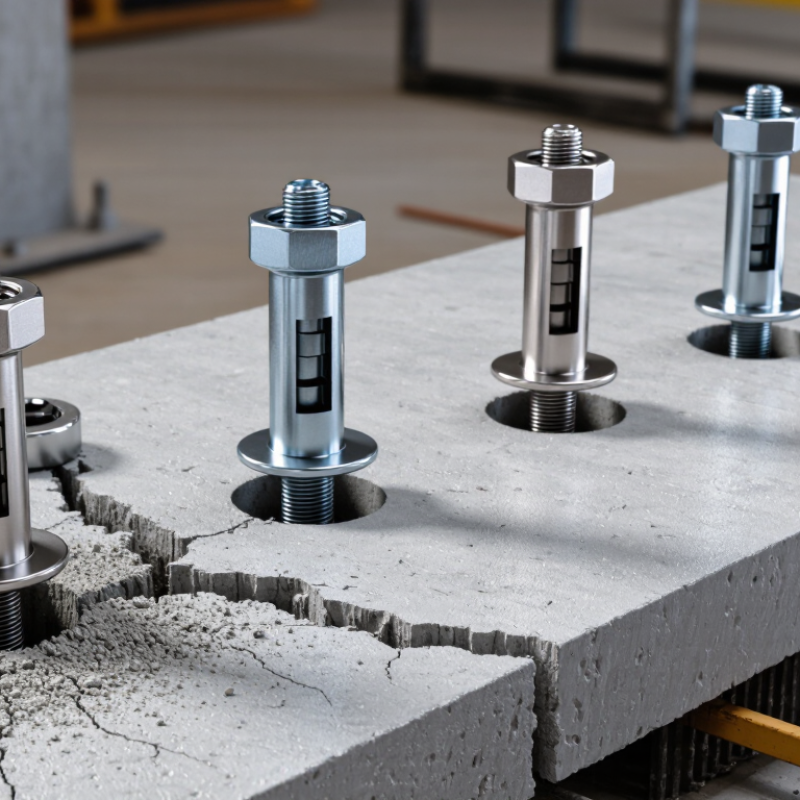
| Seismic- or Cracked-Concrete-Qualified Wedge Anchor | Usually a specially tested carbon-steel or stainless-steel anchor system with documented qualification | Projects where cracked concrete, seismic tension, vibration, or qualification under a local design standard must be considered | May provide published performance data for cracked concrete or seismic design only when the exact anchor, diameter, embedment, and installation method are covered by the qualification | Depends on the selected steel grade and coating; qualification for cracked concrete does not automatically mean high corrosion resistance | Depends on material, exposure, inspection, and whether installation follows the qualified instructions | Medium to high | Can address demanding design conditions that ordinary wedge anchors may not cover | Not a universal anchor category; engineering documentation and project-specific installation requirements are essential | Safety-critical attachments, seismic regions, equipment supports, and designs involving cracked concrete |