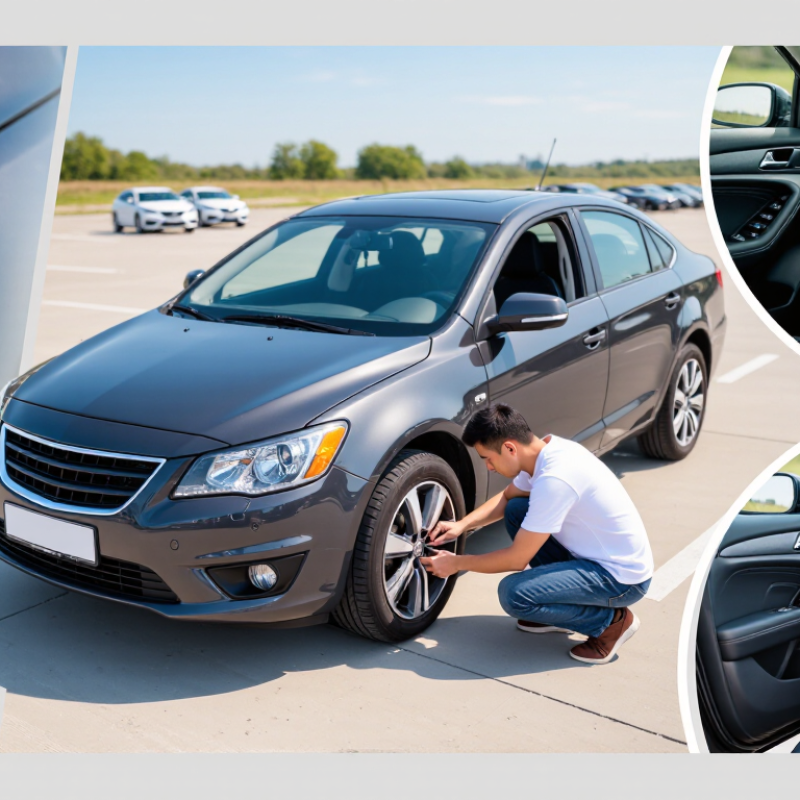
| Front Left Tire | Measure tread in the inner, center, and outer grooves; inspect for cracks, bulges, nails, and uneven wear. | 6/32 in, 6/32 in, 5/32 in | Replace at or below 2/32 in | Usable tread remains, but the slightly lower outer reading may indicate alignment or cornering wear. | Check alignment and tire pressure; continue monitoring tread uniformity. |
| Front Right Tire | Compare all three groove readings with the opposite front tire. | 6/32 in, 6/32 in, 6/32 in | Replace at or below 2/32 in | Even wear and adequate tread depth for continued service. | Verify pressure when cold and include the tire in routine inspections. |
| Rear Left Tire | Inspect tread depth, shoulder wear, sidewall damage, and embedded objects. | 4/32 in, 4/32 in, 3/32 in | Replace at or below 2/32 in | Above the legal replacement threshold, but wet-weather traction reserve is reduced compared with a new tire. | Budget for replacement soon, especially before frequent rain or long-distance driving. |
| Rear Right Tire | Check tread depth and compare wear across the axle. | 4/32 in, 4/32 in, 4/32 in | Replace at or below 2/32 in | Even wear, with less remaining tread than the front axle. | Compare tire age and condition; plan axle-pair replacement when necessary. |
| Tread-Wear Indicators | Locate the molded bars inside the main grooves and compare them with the surrounding tread blocks. | Indicator height: 2/32 in | Tread level with bars = replacement required | Indicators provide a quick warning but do not replace a calibrated tread-depth measurement. | Use a tread-depth gauge at several points on every tire. |
| Sidewalls | Look for bulges, cuts, exposed cords, deep abrasions, and cracking between or around tread blocks. | No structural damage visible | Any serious damage requires immediate attention | Sidewall damage can cause sudden air loss even when tread depth is acceptable. | Do not purchase without professional assessment if cords, bulges, or severe cuts are present. |
| Tire Pressure | Measure pressure with a gauge before driving or after the vehicle has been parked for several hours. | Within the vehicle placard specification | Use the door-jamb placard, not the maximum sidewall pressure | Incorrect pressure can cause premature wear, reduced handling, and lower fuel efficiency. | Correct pressure before the road test and recheck for slow leaks. |
| Wheel Alignment | Check for feathering, cupping, one-sided wear, steering pull, or an off-center steering wheel. | No abnormal wear or pulling | No fixed universal value; verify with an alignment check | Uneven wear may reflect alignment, suspension, or wheel-balance problems. | Request a professional inspection and include likely repair costs in negotiations. |
| Braking System | Inspect visible rotor surfaces, calipers, brake hoses, and warning lights; listen during the road test. | No leaks, grinding, vibration, or warning lights | Brake component limits vary by vehicle | Noise, pulsation, pulling, or a soft pedal requires further diagnosis. | Obtain a brake inspection before purchase if any symptom appears. |
| Suspension and Steering | Look for leaking dampers, damaged springs, loose components, excessive bounce, or unusual play. | No leaks, looseness, or excessive movement | Confirm with a lift inspection | Suspension faults can accelerate tire wear and affect braking stability. | Have an independent mechanic inspect the underside before completing the purchase. |