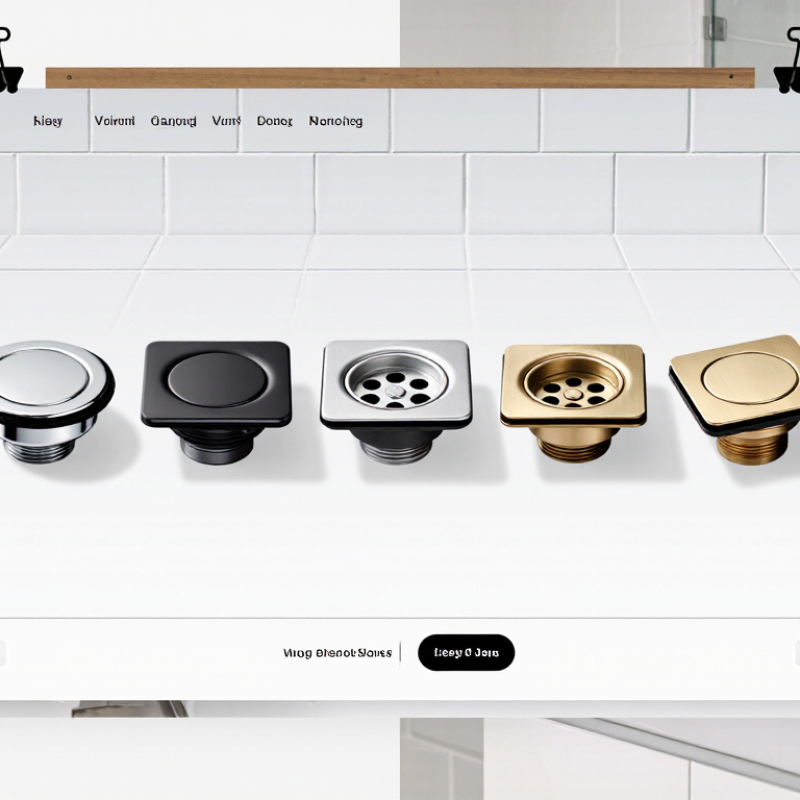
7 Best Drain Trim Sets for Bathroom Projects: Cleaning, Maintenance, and Replacement Guidelines
Choosing among seven drain trim sets requires more than matching a finish. Check the drain diameter, overflow opening, stopper mechanism, and access space first. Stainless steel, brass, and corrosion-resistant alloys usually tolerate bathroom moisture better than thin plated materials.
The U.S. Environmental Protection Agency’s WaterSense program reports that household leaks can waste nearly 10,000 gallons of water yearly. A loose drain seal may begin with a small, quiet drip.
Clean the trim weekly with mild soap and a soft cloth. Avoid abrasive powders, stiff brushes, and chlorine-heavy cleaners. They can dull finishes and weaken nearby seals. Remove hair from the stopper and strainer before it forms a dark, compact plug. A plastic removal tool works better than forcing a screwdriver against the drain surface.
Check the flange, gasket, and overflow plate every three months. Look underneath with a flashlight. Moisture, green residue, or swollen cabinet wood deserves attention.
Replacement becomes sensible when threads strip, plating flakes, or the stopper no longer holds water. Measure twice. I would not assume a “universal” drain fits every bathroom basin. It often does not.
The International Association of Plumbing and Mechanical Officials emphasizes correctly matched drainage components and watertight connections in plumbing installations.
Still, even careful selection can fail when the old basin has uneven surfaces. Apply sealant sparingly, hand-tighten first, and test with a full basin. Wait, then inspect below for drops.