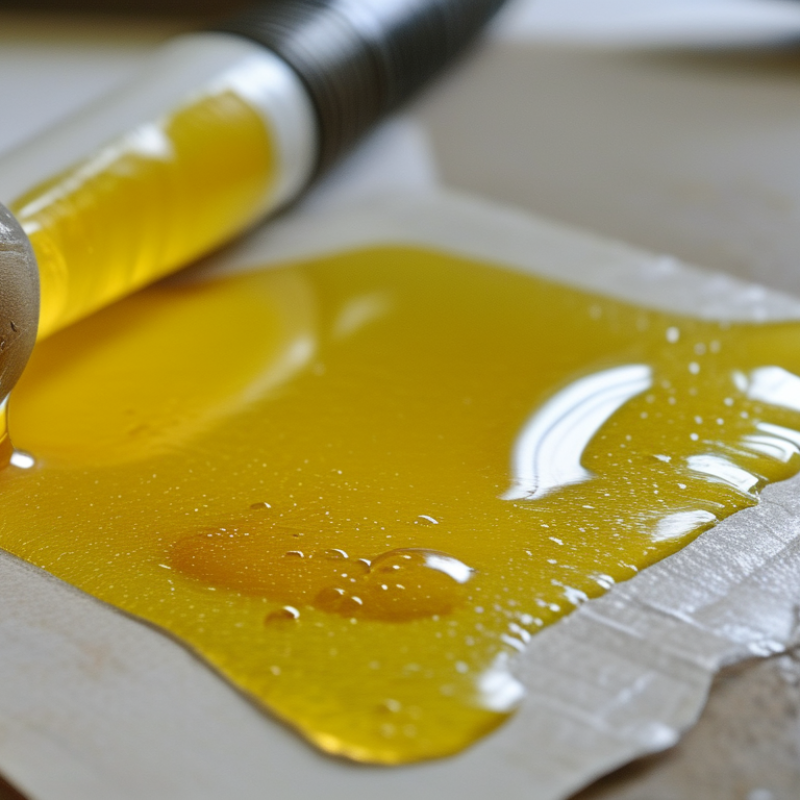
| Definition | Adhesive gum is a gum-based bonding material made from natural or modified polysaccharides, often supplied as a liquid, paste, powder, or dry film. | The exact composition and hazards depend on the formulation. Always consult the product Safety Data Sheet (SDS). |
| Typical Sources | Common gum-based ingredients may include plant-derived gums such as starch derivatives, dextrin, gum arabic, or cellulose-based materials. | “Natural” does not automatically mean non-irritating or environmentally harmless. |
| Common Uses | Used for paper products, envelopes, labels, bookbinding, packaging, crafts, textiles, and light assembly work. | Select a formulation suitable for the substrate and intended use to reduce waste and rework. |
| Bonding Mechanism | Bonding generally occurs when water or another carrier evaporates, allowing the gum solids to form an adhesive film. | Excess moisture, contamination, or unsuitable temperatures can weaken the bond and increase material waste. |
| Physical Form | Liquid and paste products are applied directly; powders are generally mixed with water; dry adhesive films are activated by moisture, pressure, or heat depending on the formulation. | Avoid creating airborne dust when handling powdered products. |
| Main Exposure Routes | Exposure may occur through skin or eye contact, accidental ingestion, or inhalation of dust or aerosols during mixing or spraying. | Use ventilation and hygiene controls appropriate to the product’s SDS. |
| Basic Personal Protection | Wear protective gloves and safety glasses when splashing or prolonged contact is possible. Use protective clothing for larger-scale operations. | Wash hands after handling and before eating, drinking, or smoking. |
| Dust Control | When handling dry gum powders, pour slowly, keep containers closed, and use local exhaust ventilation where dust may form. | Do not use compressed air to clean settled dust; use suitable vacuum equipment or wet-cleaning methods. |
| Skin Contact | Remove contaminated clothing and rinse the affected skin with plenty of water. Wash with mild soap if needed. | Seek medical advice if irritation persists or if the SDS identifies additional hazards. |
| Eye Contact | Rinse cautiously with clean water for several minutes, holding the eyelids open. Remove contact lenses if easy to do. | Obtain medical attention if pain, redness, or blurred vision continues. |
| Spill Response | Restrict access, prevent slips, and collect liquid or paste with an absorbent material. Sweep or vacuum dry material without generating dust. | Prevent concentrated material from entering drains, soil, or surface water. |
| Storage Temperature | Store within the temperature range specified by the manufacturer’s SDS or technical data sheet; avoid freezing or excessive heat unless the product is designed for it. | Temperature extremes can cause separation, thickening, premature drying, or loss of bonding performance. |
| Moisture and Humidity | Keep liquid containers tightly closed and protect dry powders or films from humidity and water. | Moisture can promote clumping, microbial growth in water-based products, or premature activation. |
| Container Management | Keep products in their original, clearly labeled containers and close them promptly after use. | Do not reuse adhesive containers for food, beverages, or other unrelated materials. |
| Shelf Life | Shelf life varies with formulation, packaging, preservatives, and storage conditions. Check the date and appearance before use. | Discard products that show mold, strong off-odors, irreversible separation, or major changes in viscosity unless the supplier confirms they remain suitable. |
| Fire Considerations | Many water-based gum adhesives are not highly flammable as supplied, but dry organic powders and packaging materials may burn. | Follow the SDS for flash point, combustible-dust risks, extinguishing media, and storage near ignition sources. |
| Waste Handling | Allow small quantities of water-based residue to dry where permitted, then dispose of it with solid waste according to local rules. | Do not pour concentrated adhesive, cleaning solution, or large quantities into drains unless local wastewater requirements specifically allow it. |
| Biodegradability | Many plant-based gum components can biodegrade under suitable conditions, but additives, preservatives, synthetic polymers, and pigments may alter environmental behavior. | Evaluate the complete formulation rather than assuming that all gum adhesives biodegrade at the same rate. |
| Water Pollution Risk | Large releases of organic adhesive material can increase the biological oxygen demand of wastewater and may affect aquatic conditions. | Use spill prevention, collect residues, and follow local wastewater and hazardous-waste requirements. |
| Lower-Impact Practices | Use the minimum effective amount, maintain clean application equipment, select recyclable packaging where practical, and purchase quantities that can be used before expiration. | Reducing over-application and product spoilage lowers material consumption and disposal needs. |
| Regulatory Reference | Classification, labeling, transport, and disposal requirements depend on the product composition and the jurisdiction where it is used. | Use the current SDS, label instructions, workplace rules, and local environmental regulations as the controlling references. |