What Is an Aluminum Profile for Solar Panel Frames?
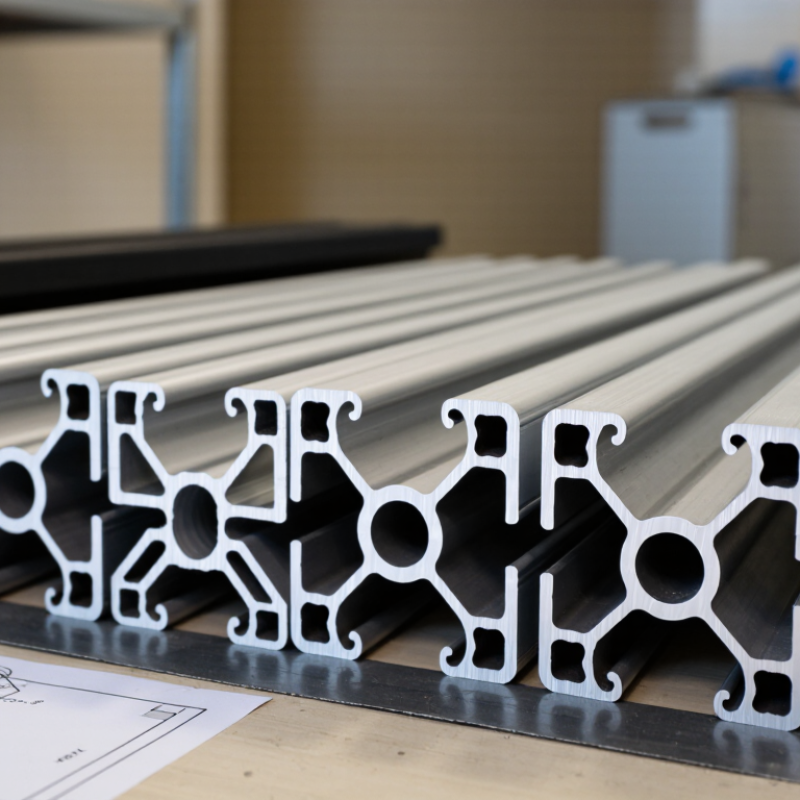
A solar frame profile is an extruded rail that supports a panel’s edges and connects it to a mounting system. Many profiles use 6000-series aluminum alloys, commonly 6063, which combine magnesium and silicon for strength and corrosion resistance. Extrusion forms precise grooves and channels for glass, seals, and fasteners.
The Aluminum Association’s Aluminum Design Manual gives aluminum an elastic modulus of about 10,000 ksi, or 69 GPa—roughly one-third that of steel. Geometry matters. A well-shaped hollow section can provide stiffness without excessive weight, but thin walls still need careful design around clamps and screw points.
Aluminum’s density is about 2.7 g/cm³, making it practical for rooftop handling. Its natural oxide layer helps resist corrosion; anodizing or coating can add surface protection, though cut edges and drainage details still deserve attention.
The International Aluminium Institute reports that recycling aluminum uses about 5% of the energy required for primary production. That is a meaningful material advantage, not a substitute for checking recycled content and product quality.
Thermal movement also matters: aluminum expands about 23 micrometers per meter per degree Celsius. Long rails can shift with temperature, so joints and mounting slots need room to accommodate movement. It is easy to overlook.