What are the Benefits of Drive in Racks for Storage Solutions?
In today’s fast-paced logistics environment, companies are seeking more efficient storage solutions. Drive in racks have emerged as a top choice for maximizing space in warehouses. These racks allow for high-density storage, significantly increasing the number of pallets that can be stored in a given area. According to a report by the Warehousing Association, companies can boost storage capacity by up to 75% using drive in racks.
Expert John Smith, a leading consultant in the racking industry, notes, “Drive in racks offer unmatched flexibility, enabling businesses to adapt to shifting demands.” This adaptability is crucial as retailers and distributors navigate fluctuating inventory levels. However, it is essential to consider the specific needs of your operations. Not every facility will benefit the same way from drive in racks. Each warehouse has unique constraints that may affect performance.
The appeal of drive in racks lies in their ability to streamline operations and minimize floor space. Observations reveal that while they maximize capacity, there may be limitations in accessibility and selectivity. Balancing these aspects is vital for implementing an effective storage strategy.
Benefits of Drive-in Racks for Maximizing Storage Space
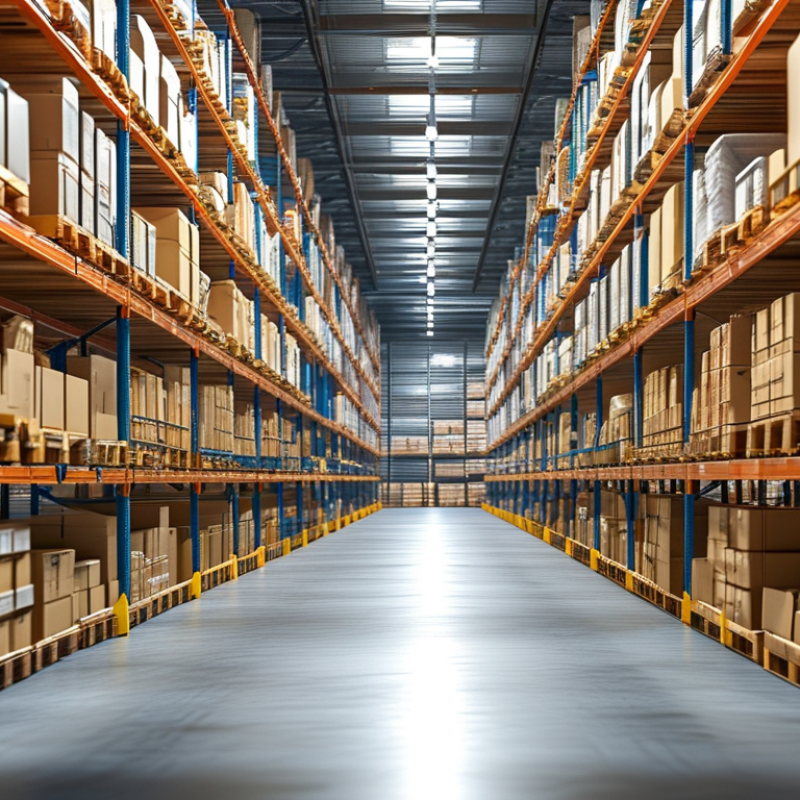
Drive-in racks are revolutionizing storage solutions. By maximizing vertical space, these systems allow warehouses to store a larger quantity of pallets in a compact area. According to industry reports, drive-in racks can increase storage density by up to 75%. This is crucial in today’s fast-paced logistics environment.
These racks work on a simple principle. They enable forklifts to drive into the rack structure, accessing pallets from both sides. This design can significantly reduce aisle space. A study from the Warehousing Education and Research Council found that companies can cut their storage costs by 25% or more using this method. However, careful planning is vital. Not all products are suitable for this heavy reliance on density.
While the benefits are evident, challenges exist. Drive-in systems may complicate inventory management. Accessing specific pallets can be time-consuming without proper organization. Businesses must weigh these factors against the potential savings. Integration with inventory software can aid in maintaining order. This technology allows for better tracking and retrieval processes, ensuring efficiency is not sacrificed. The balance between space maximization and operational ease is a key consideration for any warehouse manager.
Enhanced Efficiency in Inventory Management with Drive-in Racks
Drive-in racks revolutionize the way we manage inventory. These systems allow for high-density storage, maximizing the available space. Users can stack pallets back-to-back, optimizing vertical space utilization. This design minimizes aisle space, which is ideal for large quantities of similar items. However, it requires careful planning and assessment of inventory needs to ensure efficiency.
The enhanced efficiency of drive-in racks is evident in the way they streamline inventory access. With a first-in, last-out (FILO) approach, goods can be easily retrieved. This method reduces picking time and helps maintain organization. Accurate inventory counts become achievable with reduced human error during retrieval. Still, the initial setup and training may present challenges. Workers must adapt to the system’s unique characteristics.
For businesses, the investment in drive-in racks pays off in improved workflow. They can adapt to fluctuating inventory levels while maintaining safety. Regular audits are essential, as proper maintenance ensures longevity. These benefits highlight the importance of thoughtful implementation in storage solutions. Adopting drive-in racks can significantly enhance inventory management practices.
Improved Accessibility and Organization in Warehousing Solutions
Drive-in racks significantly enhance accessibility in warehouses. By using a first-in, last-out (FILO) system, these racks allow for dense storage of pallets. According to research by the Warehousing Education and Research Council, facilities can increase storage capacity by up to 80% with this solution. However, this comes with a trade-off. Items at the back of the rack can be challenging to access. Proper planning is essential to maximize efficiency.
Effective organization is crucial for operational flow. Drive-in racks can reduce the time spent searching for items. A study by the Material Handling Industry states that well-organized storage solutions can decrease picking time by up to 30%. Yet, this may require thorough inventory management systems. Not all warehouses might be equipped for such organization, leading to potential frustrations.
While drive-in racks provide substantial benefits, they may not suit every operation. Adoption requires a thorough assessment of space and inventory turnover rates. Investing in additional training may also be necessary. Stacking heavy pallets can lead to safety concerns if not managed carefully. Balancing these factors is key to implementing an effective storage solution.
Benefits of Drive in Racks for Storage Solutions
Cost-Effectiveness of Drive-in Racking Systems for Businesses
Drive-in racking systems provide a cost-effective solution for businesses seeking efficient storage. These systems maximize vertical space, allowing for higher storage density. By reducing the number of aisles needed, companies can store more products in the same footprint. This increased capacity translates to better inventory management and reduced overhead costs.
Implementing drive-in racks can initially seem daunting. The installation process may require significant planning and resources. Yet, many companies find that the long-term savings outweigh these initial challenges. For instance, reduced labor costs arise from quicker access to goods. Additionally, this efficiency reduces the time employees spend locating products, improving overall productivity.
While the benefits are clear, it’s essential to evaluate specific needs before adopting this system. Not every warehouse environment suits drive-in racks. Factors like product variety and turnover rates may determine whether this storage solution truly enhances efficiency. Businesses should assess their unique situation carefully. This thoughtful approach ensures that drive-in racks genuinely contribute to cost-effectiveness.
Flexibility of Drive-in Racks for Various Storage Needs and Environments
Drive-in racks offer a unique adaptability for various storage needs and environments. These racking systems allow for high-density storage, making them ideal for warehouses with limited space. According to a report by the Material Handling Industry of America (MHIA), utilizing drive-in racks can increase storage efficiency by up to 75%. This is particularly beneficial for businesses that store large quantities of similar products, reducing the need for multiple aisles.
In diverse environments, drive-in racks seamlessly adjust to different operational demands. They can accommodate varying pallet sizes and weights. This flexibility enhances inventory management. However, it's essential to regularly assess how well these racks align with changing inventory needs. Unused space can lead to inefficiencies over time, necessitating a reevaluation of storage strategies.
Tip: Regularly monitor inventory levels to ensure optimal rack utilization. This can prevent unnecessary overhead costs linked to underused space. Investing in the right equipment is crucial, but so is being adaptable to future shifts in product lines and volumes. Proper training for staff on rack usage can also prevent damage and safety issues. Reflecting on these practices allows for continual improvement.
What are the Benefits of Drive in Racks for Storage Solutions?
| Benefit |
Description |
Suitable For |
| Space Efficiency |
Maximizes storage space by utilizing vertical height and optimizing floor space. |
Warehouses, Distribution Centers |
| High Density Storage |
Allows for high-density storage of similar products, reducing aisle space. |
Retail, Manufacturing |
| Cost-Effective |
Lower cost per pallet stored compared to other storage solutions. |
Small to Large Businesses |
| Easy Access |
Allows for easy access to pallets from both sides with proper layout. |
Cold Storage, Inventory Management |
| Flexibility |
Adaptable to different product sizes and quantities, suitable for seasonal demands. |
E-Commerce, Seasonal Retail |