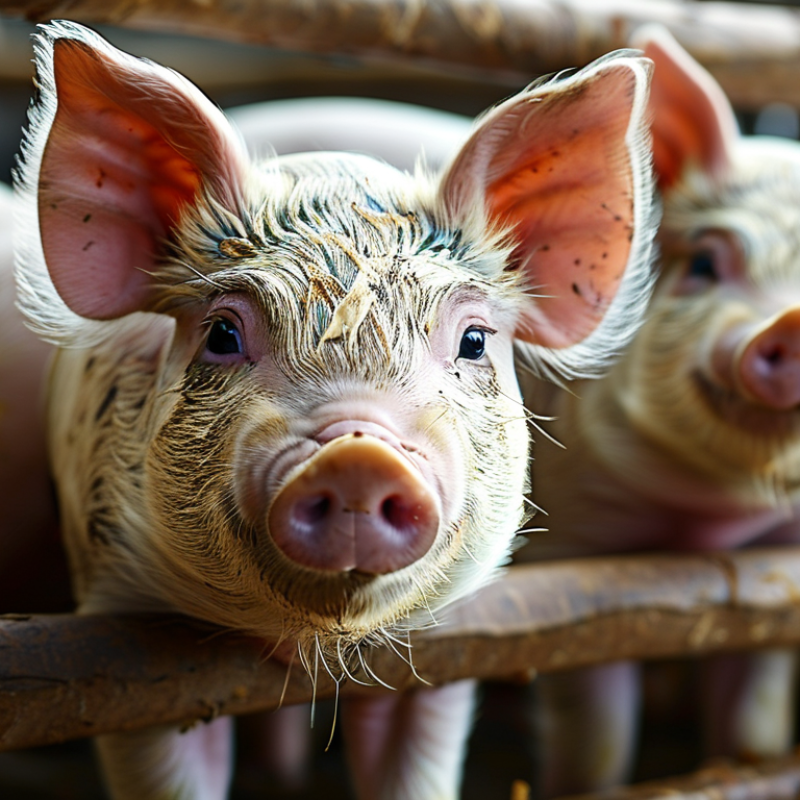
| Enhanced Safety | Reduces risk of injury among piglets. | Decreases loss rates, improving profitability. | Allows for easier observation of health issues. |
| Controlled Environment | Provides stable temperature and humidity levels. | Promotes growth and reduces stress. | Facilitates monitoring of environmental conditions. |
| Better Nutrition | Easier access to feed and water. | Improved feed conversion rates. | Allow monitoring of feed intake. |
| Disease Prevention | Isolation from infected animals. | Reduces veterinary costs. | Allows early detection of health issues. |
| Space Efficiency | Maximizes the use of barn space. | Increased number of piglets raised. | Simplifies monitoring over a larger group. |
| Mobility | Easier to transport piglets when needed. | Facilitates movement for health checks. | Provides easier access for monitoring. |
| Behavior Monitoring | Allows observation of social interactions. | Identifies stressors early. | Helps detect behavioral health issues. |
| Increased Comfort | Reduces stress and fosters well-being. | Promotes faster weight gain. | Easier assessment of well-being. |
| Cost-Effectiveness | Lower overall costs compared to traditional pens. | Increased profit margins. | More efficient health check processes. |
| Time-Saving | Streamlined management of piglets. | Reduces labor costs. | Faster health assessments. |