Best Adjusting Rods for Optimal Performance?
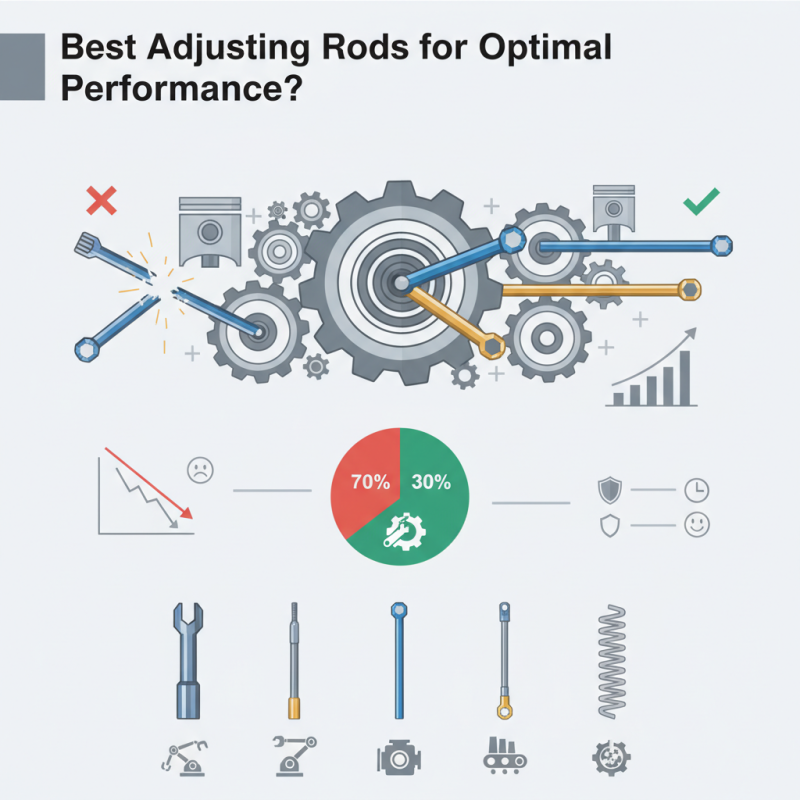
In the quest for optimal performance in various mechanical applications, the choice of Adjusting Rods plays a crucial role. A recent industry report indicates that nearly 70% of machinery failures can be traced back to improper adjustments. This underscores the importance of selecting the right adjusting rod. Proper adjustment ensures efficiency, safety, and longevity of equipment.
Adjusting rods are essential for numerous applications. They help maintain accuracy in alignment and performance. High-quality rods can withstand significant stress and provide the necessary precision. However, choosing the wrong type can lead to inefficiencies and increased wear on machinery.
It's essential to reflect on choosing adjusting rods that meet specific performance needs. Not all rods are created equal. A poorly selected rod can result in equipment malfunction. This not only affects productivity but also safety. Thus, understanding the characteristics of adjusting rods is vital for achieving optimal results.
Understanding the Role of Adjusting Rods in Performance Optimization
Adjusting rods play a crucial role in performance optimization within various systems. These components help fine-tune output levels and improve overall efficiency. By providing precise adjustments, they can enhance the responsiveness of machinery. However, their effectiveness largely depends on proper maintenance. Neglecting this can lead to suboptimal performance.
Tips: Regularly inspect adjusting rods for wear and tear. Clean them frequently to prevent buildup that could hinder movement. Adjusting rods should receive attention during routine maintenance checks to ensure they function correctly.
The right adjustments can make a significant difference. Users often overlook small changes that could yield better results. It’s common to assume that more complex adjustments are always better. Yet, sometimes a simple tweak is all that’s needed. Patience is essential when finding the perfect balance for optimal performance. Rushing adjustments can lead to disarray, affecting productivity.
Types of Adjusting Rods: Choosing the Right One for Your Needs
When it comes to selecting adjusting rods, understanding the types available is essential. There are several common varieties, each designed for specific applications. Some rods are ideal for delicate tasks, while others cater to heavy-duty needs. The key is to recognize what you need for optimal performance.
**Tips:** Consider the weight and size of the items you plan to adjust. This helps ensure you choose the right rod type. Always check the recommended maximum load limits. It could save you from damaging your equipment or causing accidents.
Another important factor is material. Adjusting rods can be made from metal, plastic, or composite materials. Each has its pros and cons. Metal rods are robust but can be heavy. Plastic options are lighter but may lack strength. Finding a balance is crucial.
**Tips:** Think about corrosion resistance if using rods outdoors. Choose rods that can withstand the elements. This decision will contribute to longevity and performance. Investing time in understanding your needs now will pay off later when using the right adjusting rod for the job.
Factors Affecting Performance: Material, Design, and Compatibility
When considering the best adjusting rods, material plays a crucial role. Metal rods often provide the highest durability. However, weight can be an issue. Composite materials have gained popularity due to their lightweight nature. According to a recent industry report, composite rods can reduce overall weight by up to 30%. This reduction is significant for performance.
Design is another influential factor. The shape and length of the rods can affect how effectively they operate. A report from the Engineering Society shows that rods designed with aerodynamics in mind perform better under various conditions. However, finding a balance between flexibility and stiffness can be tricky. Not all designs suit every application.
Compatibility is essential for optimal performance. Not every rod fits every system. A mismatch can lead to poor performance or even damage. Data from a recent survey indicates that nearly 40% of users reported performance issues due to poor compatibility. This highlights the need for thorough research before making a selection. The wrong choice can hinder efficiency.
Installation Tips for Enhanced Performance with Adjusting Rods
When installing adjusting rods, the right technique can greatly impact their performance. Ensuring proper alignment is crucial. Start by positioning the rods parallel to the main component. This alignment helps in maintaining stability and enhancing overall functionality. Tightening the rods too much can lead to stress and wear. Find a balance that supports solid performance without overexerting the materials.
Pay attention to the installation environment. Clean surfaces can prevent unnecessary friction and wear. Use lubricant where necessary, but avoid excessive application. It may cause slippage instead of enhancing movement. Inspect everything after installation. Look for any signs of misalignment or wear. Small adjustments now can save significant hassle later on. If it doesn’t look right, it probably isn’t.
Regular maintenance is important as well. Keep an eye out for rust or corrosion that could affect performance. The adjustment process should be an ongoing one. Be open to making changes when needed, even if it feels like a hassle. Reflect on each adjustment and its results; learning from these experiences will lead to better performance.
Maintenance Practices to Ensure Longevity and Efficiency of Adjusting Rods
Adjusting rods play a crucial role in various mechanical applications. Regular maintenance of these components is essential for their longevity and efficiency. According to the Machinery Lubrication Journal, nearly 40% of equipment failure is related to improper maintenance of moving parts. Simple practices can help reduce this risk significantly.
Daily inspections are vital. Check for signs of wear or damage. Lubrication is equally important. A study by the American Society of Mechanical Engineers found that regular lubrication can improve performance by up to 30%. However, over-lubricating can lead to contamination, which creates its own issues. Cleaning the rods periodically can mitigate potential problems.
Storing adjusting rods correctly is often overlooked. Environmental factors can induce corrosion. It’s essential to keep these components dry and free of dust. Training staff on proper handling can reduce accidental damage. Investing in maintenance protocols can feel tedious, but the long-term efficiency gains are undeniable. Regular assessments can reveal underlying issues before they escalate.