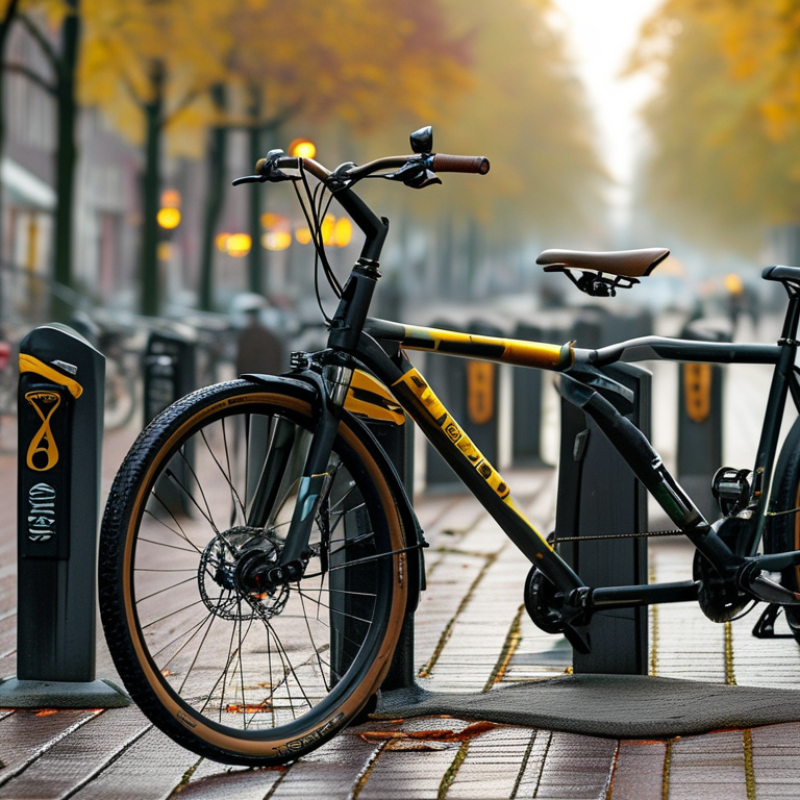
Best Bike Parking Stands in 2026 Which One Should You Choose?
As urban cycling continues to rise, the demand for effective bike parking solutions grows. A reliable Bike Parking Stand is essential for both cyclists and city planners. With new designs and technologies emerging in 2026, choosing the right stand can be daunting.
Different types of bike parking stands offer unique benefits. Some prioritize security, while others enhance convenience. When selecting a stand, consider your local environment and specific needs. Will it be in a busy area or a quiet street? Are aesthetics important? Each detail affects the stand's effectiveness.
Of course, no bike parking solution is perfect. Some stands may not accommodate all bike types. Weather conditions can wear down materials over time. Reflecting on these aspects can help you make a well-informed choice. A thoughtful approach to selecting your Bike Parking Stand will ultimately encourage more people to cycle.
Best Bike Parking Stands in 2026: An Overview of Market Trends
As urban cycling continues to rise, bike parking stands are evolving. A recent report indicates that by 2026, the bike parking market will reach $1 billion. This signifies a growing demand for reliable and efficient bike storage solutions. Analysis shows that cities are investing more in bike infrastructure, aiming to reduce congestion and promote sustainability.
Choosing the right bike parking stand can be challenging due to various designs and materials. Considerations include durability, ease of use, and security features. According to industry experts, steel and stainless steel options are often preferred due to their robustness. Tip: Look for stands that accommodate multiple bikes to maximize space and utility.
Another area of focus is the integration of technology. Smart options equipped with sensors are gaining traction, enhancing user experience. Data from market analysis suggests that these features attract more cyclists and encourage longer-term parking use. Tip: Assess your location's needs before investing in tech-focused solutions to ensure feasibility and value. As trends shift, remaining aware of evolving preferences is crucial for effective decision-making.
Key Features to Consider When Choosing Bike Parking Stands
When selecting bike parking stands, several key features should guide your decision-making process. Durability is crucial. Look for materials that withstand various weather conditions and resist wear over time. Steel and reinforced aluminum are often recommended for their strength and longevity. A stand that breaks easily or shows signs of rust quickly is a poor investment.
Next, consider the design. Some stands accommodate different bike types better than others. A versatile design allows for secure parking and prevents damage to the bike. Space is another vital factor. Ensure the stand does not overcrowd your area and provides enough room for users to maneuver. Crowded spaces can create hazards for cyclists and pedestrians alike.
Lastly, reflect on the installation and maintenance of the stands. Easy installation saves time and effort, while low-maintenance options are ideal for busy areas. Some stands require regular checks for stability and wear. This could become a hassle if not addressed. Choosing the right bike parking stand involves weighing these considerations carefully. A good stand balances durability, design, and practicality.
Best Bike Parking Stands in 2026 Which One Should You Choose? - Key Features to Consider When Choosing Bike Parking Stands
| Type | Material | Capacity | Dimensions (L x W x H) | Weight | Security Features |
| U-Shape Stand | Steel | 2 bikes | 30 x 20 x 60 cm | 5 kg | Lockable frame |
| Wall-Mounted | Aluminum | 1 bike | 15 x 15 x 90 cm | 2 kg | Integrated lock |
| Double-Sided Rack | Powder-Coated Steel | 4 bikes | 80 x 40 x 100 cm | 15 kg | Secure locking system |
| Bike Dock | Recycled Plastic | 2 bikes | 30 x 30 x 70 cm | 4 kg | Eco-friendly design |
| Retractable Stand | Stainless Steel | 3 bikes | 60 x 50 x 100 cm | 10 kg | Retractable locking mechanism |
Comparative Analysis of Top Brands in 2026 Bike Parking Solutions
Bike parking stands are essential for urban environments. In 2026, the demand for secure and efficient bike storage solutions has increased significantly. According to a market report by Statista, the global bike parking systems industry is expected to grow by 8.5% annually. This growth highlights the necessity for cities to adapt their infrastructure to encourage cycling.
When analyzing different bike parking solutions, functionality and durability are critical. Many products boast advanced materials, yet not all fulfill user needs. Reports indicate that around 30% of bike thefts occur due to inadequate locking systems. Thus, investing in high-quality stands that deter theft can save cyclists time and money in the long run.
Innovation in design also raises questions. Some newer models prioritize aesthetics over practicality. While a stylish design can attract cyclists, it may compromise space efficiency. A study by the European Cyclists' Federation found that effective designs can increase parking capacity by 20%. This emphasizes the importance of balancing form and function.
Best Bike Parking Stands in 2026 - Comparative Analysis
Environmental Impact of Bike Parking Stands: A 2026 Perspective
The environmental impact of bike parking stands is significant, especially as urban centers grow. According to a 2023 report by the World Economic Forum, sustainable transportation options can reduce urban carbon footprints by up to 30%. Bike parking stands contribute to this effort by encouraging cycling over car use.
These stands promote a shift towards eco-friendly commuting. Many municipalities are installing bike parks to support this change. The National Association of City Transportation Officials (NACTO) estimates that proper bike infrastructure can increase cycling rates by 50%. However, not all designs consider environmental factors. Some materials used in construction are not recyclable and can lead to waste.
Furthermore, the placement and accessibility of bike stands impact their usage. A study by the Journal of Urban Planning highlights that poorly located stands can deter potential cyclists. Urban planners must prioritize strategic placements to maximize their benefit. It's essential to reflect on how design choices affect cycling habits and broader environmental goals. The conversation around bike parking stands is evolving, and continuous improvement is needed.
Cost-Effectiveness: Long-Term Investment in Bike Parking Infrastructure
Investing in bike parking infrastructure is crucial for cities aiming to promote cycling. A recent report suggests that effective bike parking can lead to a 20% increase in cyclist numbers. This change demonstrates how smart parking solutions can encourage more people to ride bikes. A direct correlation exists between bike parking availability and cycling adoption rates.
Cost-effectiveness is essential for long-term planning. Studies indicate that for every dollar spent on bike parking, cities can expect a return of around $5 in economic benefits. This includes savings on road maintenance and healthcare costs due to reduced traffic congestion and pollution. However, it’s important to assess quality, as not all bike stands offer the same level of security and accessibility.
Many municipalities grapple with choosing the right bike parking solutions. Evaluating design, durability, and capacity is vital. A poorly designed stand may not support diverse bike types. This can deter potential cyclists and defeat the investment's purpose. Investing in high-quality infrastructure is a reflection of a city’s commitment to sustainable transport.