How to Choose the Best Carbon Monoxide Monitor for Your Home?
Choosing the right Carbon Monoxide Monitor is vital for your home’s safety. Carbon monoxide (CO) is a silent killer, often undetectable without proper devices. According to the National Fire Protection Association, more than 400 people die each year from CO poisoning in the United States alone. This alarming statistic underscores the importance of having a reliable CO monitor in every household.
Dr. Emily Thompson, a leading expert in indoor air quality, emphasizes, “A Carbon Monoxide Monitor is essential; it’s the first line of defense against a deadly gas.” This statement highlights the monitor’s role in protecting families. With various types and features available, selecting the best monitor can be overwhelming. It can feel daunting given the vast range of choices on the market today.
It’s important to consider factors such as sensitivity, alarm features, and ease of use. Not all monitors are created equal; some may lack critical functions. Taking the time to research options can make a difference. Ensuring your home is equipped with a quality Carbon Monoxide Monitor is a step towards a safer living environment.
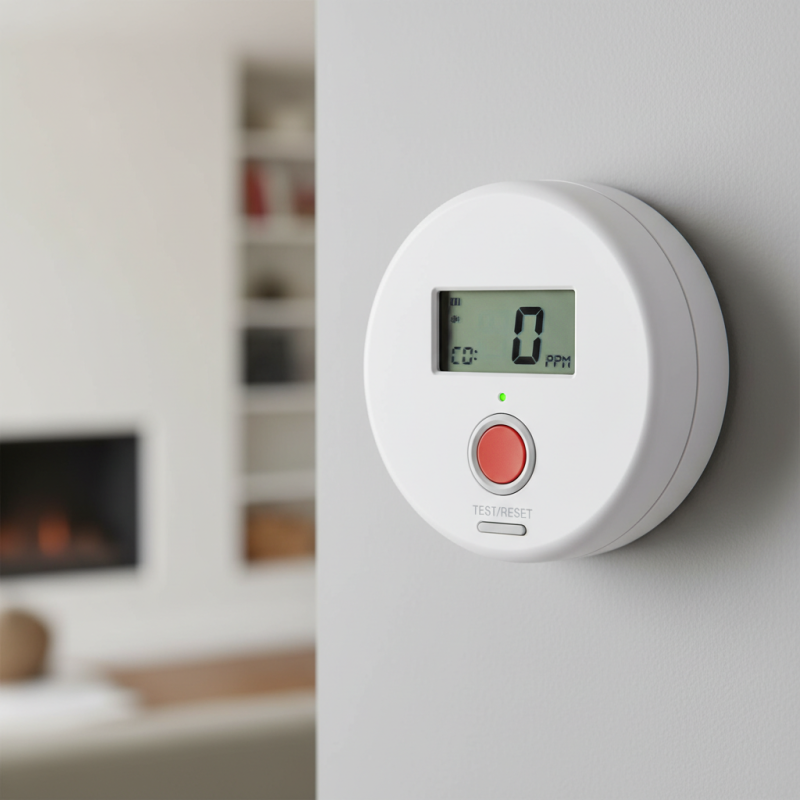
Understanding Carbon Monoxide and Its Dangers
Carbon monoxide (CO) is a silent killer. It is an odorless, colorless gas produced during combustion processes. According to the Centers for Disease Control and Prevention (CDC), over 400 Americans die from unintentional CO poisoning each year. Many do not realize how dangerous this gas can be until it is too late. Understanding the sources of carbon monoxide is crucial. Common sources include faulty furnaces, gas appliances, and vehicles left running in enclosed areas.
Symptoms of CO poisoning mimic those of flu and include headaches, dizziness, and shortness of breath. This can lead to delays in seeking help. The World Health Organization (WHO) states that chronic exposure to even low levels of CO can cause serious long-term health issues. In fact, long-term exposure can impair your cognitive functions and overall health. These alarming facts highlight the importance of having a reliable carbon monoxide monitor in every home, especially during colder months when heating needs increase.
Homeowners often overlook the need for CO detectors. Many assume that their existing smoke alarms cover this risk. However, the CDC emphasizes that distinct devices are necessary for detecting carbon monoxide specifically. Data shows that having a CO monitor in your home increases your chances of early detection and prevention. It’s imperative to educate yourself and ensure your home is equipped to combat this hidden danger effectively.
Key Features to Look for in a Carbon Monoxide Monitor
When selecting a carbon monoxide monitor, understanding key features is crucial. A reliable device should have a clear digital display. This helps users see the CO levels at a glance. According to the National Fire Protection Association, nearly 50,000 emergency room visits occur annually due to CO poisoning. Thus, accurate readings are vital for safety.
Consider the sensor technology as well. Some monitors use electrochemical sensors, which are known for their accuracy and responsiveness. These devices can alert you in minutes, not hours. A U.S. Consumer Product Safety Commission report highlights that timely alerts can save lives. Multiple alarms positioned throughout the home ensure adequate coverage.
Battery life is another important consideration. Monitors with a lifespan of 5 to 7 years provide longevity and peace of mind. Replaceable batteries add to convenience but require regular checks. While features may vary, the importance of reliability remains consistent. Research indicates that users might overlook regular testing. Regular maintenance can be as crucial as initial purchase decisions. Choose wisely for your family's safety.
Types of Carbon Monoxide Monitors: Which One is Right for You?
Choosing the right carbon monoxide monitor is vital for your home's safety. Various types of monitors exist, each suited for different needs. Battery-operated models are great for portability. They can be placed anywhere without worrying about power outlets. On the other hand, plug-in models are perfect for fixed locations. They provide continuous power, ensuring constant monitoring.
Another option is the smart monitor. These devices connect to your smartphone via Wi-Fi. They send alerts when carbon monoxide levels rise. This feature is convenient but also raises privacy concerns. Many people worry about data security with smart home devices. It's essential to choose a trustworthy brand and keep the device updated.
Tips: Always check the sensor life of the monitor. Some need replacement every few years. Choosing one with a longer sensor life reduces hassle. Also, consider your home's layout before purchasing. A monitor should be near sleeping areas but not too close to fuel-burning appliances. Assessing your living space can help ensure you make the best decision.
How to Choose the Best Carbon Monoxide Monitor for Your Home? - Types of Carbon Monoxide Monitors: Which One is Right for You?
| Type of Monitor | Key Features | Pros | Cons | Best Use Case |
| Standalone Monitor | Portable, battery-operated, digital reading | Easy to install, no wiring needed | Limited features compared to smart models | Small apartments or temporary setups |
| Hardwired Monitor | Connected to home's electrical system | Reliable, never needs battery replacement | Requires professional installation | Homes with existing electrical infrastructure |
| Smart Monitor | Wi-Fi connectivity, app alerts, integration with smart devices | Real-time monitoring, remote alerts | Higher cost, dependent on Wi-Fi | Tech-savvy users, connected homes |
| Combination Smoke and CO Monitor | Detects both smoke and carbon monoxide | Space-saving, multi-functionality | Can be less sensitive for both hazards | Homes looking for a compact safety solution |
Installation and Placement Tips for Effective Monitoring
When choosing a carbon monoxide monitor, installation and placement are crucial for effectiveness. The U.S. Consumer Product Safety Commission indicates that over 400 people die each year from CO poisoning. To prevent such tragedies, proper positioning of monitors is necessary.
Place your monitor near sleeping areas. This ensures alerts are heard when you're most vulnerable. Studies suggest that 70% of CO-related deaths occur during the night. Avoid placing the monitor within 15 feet of gas appliances. This reduces false alarms and helps minimize anxiety. Additionally, keep the monitor away from high humidity areas like bathrooms, as moisture can affect sensor accuracy.
Tip: Mounting the device at chest height offers optimal detection. Experts recommend regular testing of the device's functionality. Check it monthly and replace batteries annually, even if they don’t seem low. Remember, a small flaw in placement or maintenance can compromise safety. Prioritize these aspects for a safer home environment.
Carbon Monoxide Levels Monitoring Data
The following chart illustrates the average carbon monoxide levels (in parts per million) detected in various home environments over a week. It helps in understanding the exposure levels and the importance of having a reliable carbon monoxide monitor.
Maintenance and Testing: Ensuring Your Monitor Works Properly
When it comes to carbon monoxide monitors, maintenance and testing are crucial. It is essential to ensure your device functions correctly. Regularly check your monitor's batteries. A low battery can lead to malfunction, increasing the risk of exposure to carbon monoxide.
Aim to test your carbon monoxide monitor at least once a month. This can be as simple as pressing the test button. If the alarm doesn’t sound, replace the unit. It’s surprising how often people forget to perform this vital step. Dust and debris may accumulate, affecting sensitivity. Keep the sensor clean, and avoid placing the monitor in areas prone to contamination.
Even with diligent care, it's important to remember that these devices have expiration dates. Most monitors last between five to seven years. Wear and tear can diminish their reliability over time. Many overlook this critical factor, assuming their monitor works indefinitely. Regular checks and proactive replacements can save lives, ensuring a safe environment for you and your family. Always prioritize a healthy safety habit.