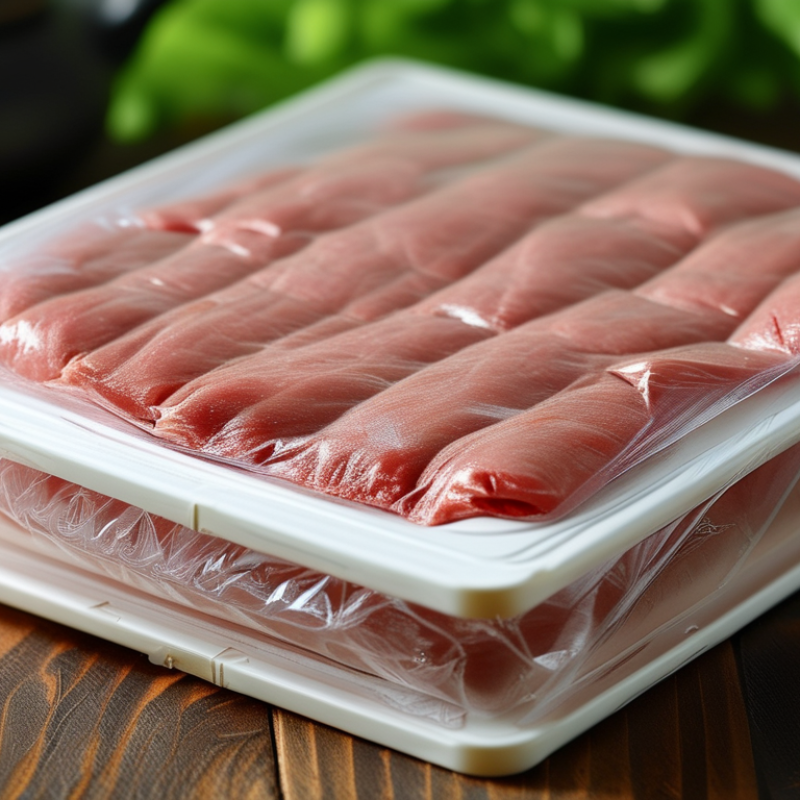
Vacuum bags for meat should be selected by food-safety systems, not attractive film thickness alone. For Chinese suppliers, request current HACCP plans, ISO 22000 certification, and BRCGS certification for the exact production site. Check the certificate scope, expiry date, and issuing body. A certificate alone is not proof. That point is easy to miss.
WHO estimates that unsafe food causes about 600 million illnesses and 420,000 deaths worldwide each year. Its global foodborne disease assessment supports stronger preventive controls across the supply chain. FAO also reported that approximately 14% of food is lost between harvest and retail. Reliable vacuum packaging cannot solve every loss, but stable seals and suitable barrier performance can reduce exposure to air, moisture, and handling damage.
Tips: Ask for oxygen transmission rate, water vapor transmission rate, seal-strength, puncture, and migration test reports.
Match the bag structure with the meat type, storage temperature, and intended shelf life.
Request batch records covering resin source, film production date, machine line, operators, and inspection results.
Test random cartons before shipment.
Create a mock recall using one lot code.
If the supplier cannot trace a batch within hours, reconsider the purchase.
My practical concern is simple: packaging failures often appear after transport, not during a factory visit.
Keep retained samples and review complaints by lot, even when the first deliveries look perfect.