Best Solidification Conveyor Belt Options for Efficient Production?
In the fast-paced world of manufacturing, a well-designed Solidification Conveyor Belt is vital. Michael Thompson, a leading expert in material handling systems, emphasizes, "A solidification conveyor should enhance flow efficiency and minimize downtime." These belts are essential for cooling and solidifying materials, ensuring a smooth production process.
Choosing the right Solidification Conveyor Belt can significantly influence production output. Factors to consider include belt material, width, and speed. A durable belt can withstand harsh conditions and heavy loads. However, selecting a conveyor that perfectly meets operational needs is often challenging. Potential buyers may struggle to balance cost and quality.
Investing in a high-quality Solidification Conveyor Belt often pays off. Production lines can see increased efficiency and reduced waste. Yet, without careful analysis, companies may face setbacks. Understanding the specific requirements of each application is crucial. This analysis can lead to improved performance and reliability.
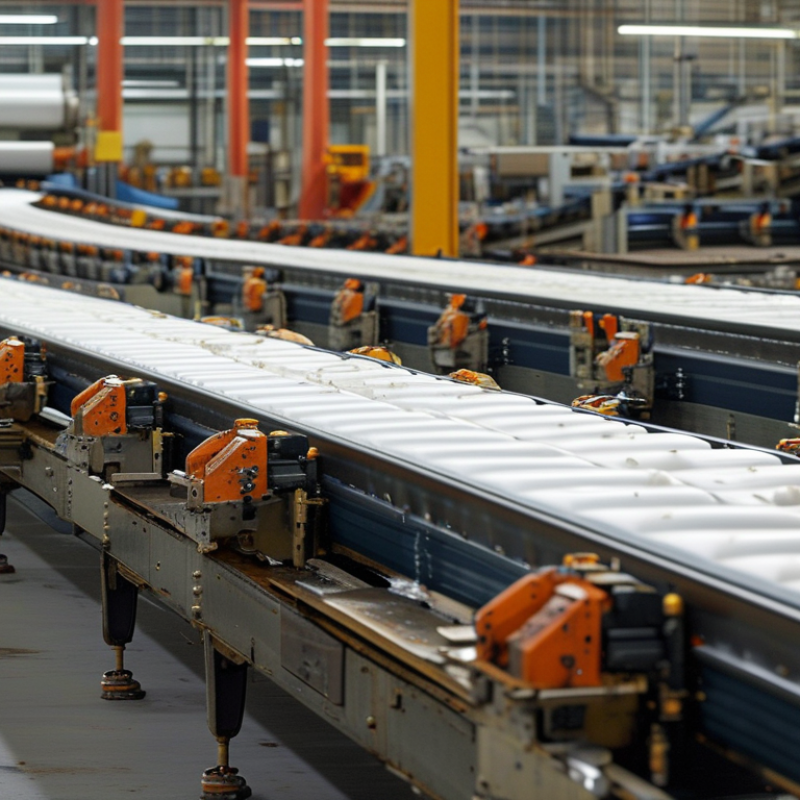
Types of Solidification Conveyor Belts Available for Production
In the realm of manufacturing, solidification conveyor belts play a vital role in efficient production. Several types of these conveyor belts are available, each serving a unique purpose. One popular option is the metal belt, known for its durability and ability to withstand high temperatures. According to a recent industry report, these belts can operate effectively in environments exceeding 1000°F. This makes them ideal for heavy-duty applications, particularly in the food processing and metal industries.
Another notable type is the fabric conveyor belt. These belts are versatile and can handle a range of materials. Their lightweight nature facilitates easy installation and maintenance. Industry data shows that fabric belts can lead to a 20% reduction in energy consumption compared to traditional metal belts. However, they may not be suitable for high-temperature processes, necessitating careful selection for specific applications.
Lastly, modular plastic belts are gaining attention for their flexibility. They are easy to clean and can be configured for various production processes. Reports indicate that they can reduce downtime by 15% due to their quick assembly. Despite their advantages, companies must consider the initial investment required, as modular systems can be pricey. Weighing these factors can help manufacturers choose the right solidification conveyor belt for their needs.
Key Features to Consider When Selecting a Solidification Conveyor Belt
When choosing a solidification conveyor belt, multiple key features come into play. One essential aspect is the material composition. High-quality belts often incorporate thermoplastic elastomers, which provide durability and resistance to wear. According to industry reports, belts made from such materials can last up to 30% longer in demanding environments compared to standard options.
Another crucial feature is the belt's surface texture. A textured surface enhances grip, reducing the chances of items slipping during the solidification process. Research indicates that conveyor systems with proper texture can improve efficiency by 15%, minimizing product loss. Additionally, considering the belt's width and length is vital. Choosing the right size can increase throughput, but dimensions must align with the overall system layout and flow.
It's also important to evaluate maintenance requirements. Some conveyor belts need frequent adjustments or replacements, which can disrupt production. A recent survey showed that companies that opt for low-maintenance options save nearly 20% on operational costs. Therefore, selecting the right solidification conveyor belt is complex. Factors like material, surface texture, dimensions, and maintenance needs create a delicate balance that impacts overall production efficacy. This balance requires careful consideration and reflection to achieve optimal results.
Best Solidification Conveyor Belt Options for Efficient Production
| Belt Type | Material | Temperature Resistance | Width Options | Load Capacity | Special Features |
| Modular Plastic | Polypropylene | -20°C to 60°C | 15 cm - 100 cm | Up to 500 kg/m | Easy cleaning, modular design |
| Wire Mesh | Stainless Steel | -10°C to 300°C | 30 cm - 150 cm | Up to 1000 kg/m | High heat resistance, durable |
| PVC Conveyor | PVC | 0°C to 80°C | 20 cm - 120 cm | Up to 400 kg/m | Affordable, good for general use |
| Rubber Belt | Natural Rubber | -20°C to 70°C | 25 cm - 150 cm | Up to 600 kg/m | Excellent grip, flexible |
| Fiber Reinforced | Composite Materials | -20°C to 100°C | 30 cm - 200 cm | Up to 800 kg/m | High strength, lightweight |
Advantages of Using Solidification Conveyor Belts in Manufacturing Processes
Solidification conveyor belts are invaluable in manufacturing processes. They help streamline production by efficiently transporting products as they cool. This minimizes the risk of damage. These belts can handle various materials, making them versatile for different industries. They offer a consistent temperature across the entire surface. This uniform cooling leads to improved product quality.
Using solidification conveyor belts saves time and labor costs. Workers are less likely to handle products manually. Automation increases safety and efficiency. However, it is essential to consider the maintenance needs of these systems. Regular checks ensure they function optimally. A neglected conveyor might cause delays and defects.
Moreover, integrating these conveyor belts requires expertise. A poorly planned setup can lead to bottlenecks. It's crucial to assess the specific needs of your production line. Understanding the workflow ensures seamless operation. Collecting feedback from operators can highlight areas for improvement. This continuous evaluation fosters a more efficient manufacturing environment.
Maintenance Tips for Ensuring Longevity of Conveyor Belts
Conveyor belts play a crucial role in manufacturing processes. Proper maintenance is essential for their longevity and efficiency. According to industry reports, poorly maintained conveyor systems can lead to a 25% increase in operational costs. Regular inspections are vital to identify wear and tear. Create an inspection schedule to check for frayed edges, cracked surfaces, and misalignment.
Lubrication is another key factor. Chains and rollers must be greased regularly to prevent rust and ensure smooth operation. A maintenance report highlights that 30% of belt failures are due to inadequate lubrication. Additionally, employees should be trained on how to operate belts properly. Incorrect usage can cause unnecessary stress, leading to premature wear. A small investment in employee training can save significant costs in repairs.
Dust and debris should be minimized on conveyor lines. Regular cleaning can help maintain optimal performance. Some might overlook this, thinking it’s a minor issue. However, accumulated debris can lead to blockages and increased energy consumption. Monitoring the energy use of conveyor belts can provide insights into their efficiency. Many facilities have reported up to 10% energy savings after implementing effective maintenance routines.
Comparison of Leading Brands in Solidification Conveyor Belt Technology
When selecting a solidification conveyor belt, understanding brand performance is crucial. Research indicates that innovation in material composition can significantly enhance durability and efficiency. For instance, recent industry reports suggest that belts with hybrid materials can increase service life by up to 30%. This is vital as production downtime can lead to losses that impact overall output.
Comparative studies highlight that adaptability is a key feature for effective conveyor belts. Systems designed for varying temperatures perform better in diverse production environments. In fact, engineering benchmarks recommend that conveyor belts should withstand temperature fluctuations of at least 50 degrees. This ensures reliable operation across processes.
However, not all brands score equally in sustainability. Some options do not prioritize recyclable materials, raising questions about long-term environmental impact. A report published by the Manufacturing Sustainability Council points out that up to 40% of industrial conveyor belts end up in landfills. Choosing a brand with a focus on eco-friendly practices could enhance corporate responsibility.