2026 Best Cycloidal Drive Options for Global Buyers?
The cycloidal drive mechanism is emerging as a top choice for various industries. These mechanical units provide high torque, compact design, and low backlash. According to a recent report by ResearchAndMarkets, the global cycloidal drive market is projected to reach $2.4 billion by 2026, growing at a CAGR of 6.2%. This growth underscores the increasing demand for precision-driven technologies.
Various sectors, including robotics, aerospace, and manufacturing, prioritize cycloidal drives for their efficiency and reliability. For instance, the ability to handle high load capacities makes these drives attractive for robotic arms and CNC machines. However, not all cycloidal drive models are created equal. Manufacturers must choose options that align with their specific application needs and environmental conditions.
Yet, some challenges remain. Users often encounter difficulties with integration and fine-tuning. Selecting the right model can become overwhelming given the vast array available. Potential buyers should focus on suppliers with proven expertise and strong customer support. This careful selection process will ultimately enhance operational efficiency and improve long-term performance.
Overview of Cycloidal Drives and Their Applications
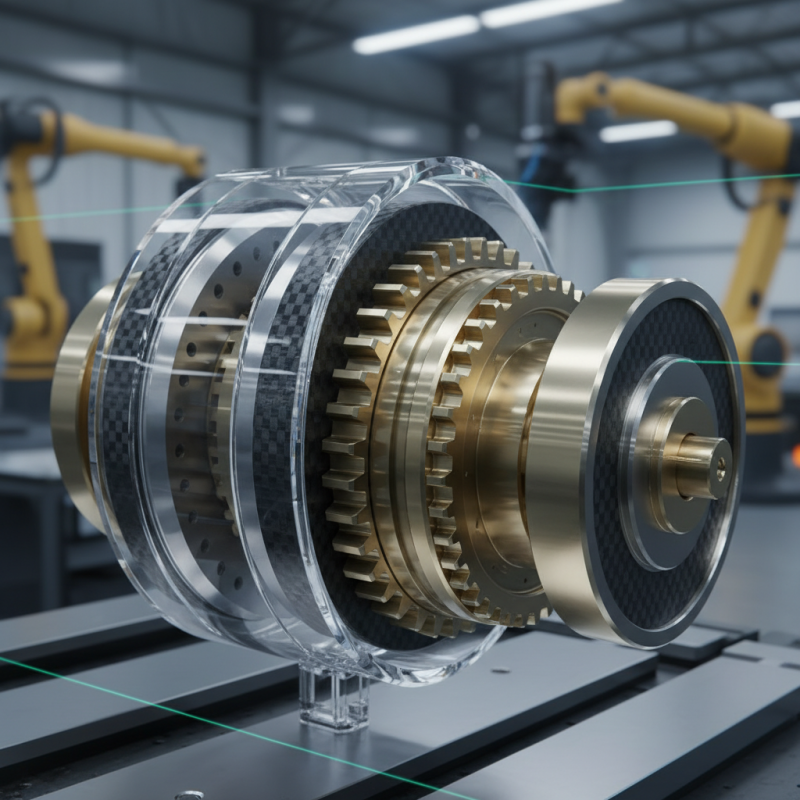
Cycloidal drives are increasingly vital in various industrial applications, from robotics to aerospace. These compact gear systems offer high torque and efficiency, making them ideal for precision tasks. According to a recent industry report by MarketsandMarkets, the global cycloidal drive market is expected to grow at a CAGR of 7.5% from 2021 to 2026. This growth reflects the expanding adoption of automation technologies.
In robotic applications, cycloidal drives enable remarkable movement precision and reliability. They can handle significant loads while maintaining a compact design. However, inefficiencies can arise in high-load scenarios, where standard cycloidal designs may fall short. Continuous improvements in materials and designs are crucial to address these shortcomings. Researchers are exploring advanced composites to enhance durability and performance.
The demand for cycloidal drives spans many sectors, including manufacturing and renewable energy. Their unique mechanism allows for simple integration with various systems. Yet, the complexity of these drives requires specialized knowledge for installation and maintenance. Training for engineers is essential to ensure optimal operation and longevity of these systems. Market trends point toward a shift in focus on sustainable practices, further driving innovation in cycloidal drive technologies.
Key Features to Consider in Cycloidal Drives
When selecting cycloidal drives, several key features must be considered. Precision plays a significant role in applications requiring accuracy. The ability to maintain stability under varying loads is crucial. This factor ensures that the drive performs consistently and efficiently. Additionally, the torque output is significant, as it affects the performance in heavy-duty tasks.
Another aspect to consider is the integration of the drive with existing systems. Compatibility can make a difference in ease of implementation. A drive that fits seamlessly into current machinery streamlines operations. Efficiency also matters; lower energy consumption can lead to cost savings. However, a focus on efficiency shouldn't compromise power.
Reliability is equally important. A dependable cycloidal drive requires less maintenance, reducing downtime. Some drives might show consistent performance, but real-world conditions can vary. It's vital to test the drives under actual operational conditions. Over time, this reflection can lead to selecting the best option for specific needs. Opting for a drive that guarantees durability can avoid unforeseen issues.
Top Cycloidal Drive Manufacturers for Global Buyers
Cycloidal drives have gained significant attention in various industries due to their efficiency and compact design. The global cycloidal drive market is projected to grow at a CAGR of around 5% from 2021 to 2026, as reported by MarketsandMarkets. This growth reflects increasing demand across sectors like robotics, automotive, and aerospace.
Top cycloidal drive manufacturers are focusing on innovation and sustainability. Many are investing in advanced materials and manufacturing processes. However, challenges remain. Manufacturers must carefully balance cost and quality. Some companies struggle to integrate new technologies while maintaining production efficiency. It's crucial for buyers to assess the reliability of manufacturers before making decisions.
Quality is paramount when selecting a cycloidal drive. Buyers should consider companies with strong certifications and proven track records. Regular audits and customer feedback play a vital role in ensuring manufacturers consistently meet industry standards. As the market evolves, buyers will need to navigate emerging trends and potential pitfalls carefully.
Comparative Review of 2026 Cycloidal Drive Models
The 2026 cycloidal drive models present exciting options for global buyers. These drives are known for their high torque density and compact design. Many industries are exploring their applications, from robotics to automation. The reliability of these units is crucial as manufacturers seek to minimize downtime.
When evaluating models, users should consider factors like efficiency, size, and weight. Some units excel in specific tasks but may lack versatility. An ideal choice balances performance and adaptability. A deeper understanding of each model’s specifications can help users make informed decisions.
Challenges do arise in the selection process. For instance, some models may have limited availability, complicating sourcing. Buyers must navigate these uncertainties while seeking the best fit for their needs. These models demonstrate the evolving nature of drive technology, encouraging buyers to remain engaged and informed.
Future Trends in Cycloidal Drive Technology and Market
The cycloidal drive market is evolving rapidly. According to a recent industry report, the market is expected to grow at a CAGR of 8.5% from 2023 to 2028. This growth is largely driven by the increasing demand for high-performance, compact drive systems. Cycloidal drives offer various advantages, including high torque density and efficiency, making them popular in robotics and automation sectors.
Future trends indicate a shift towards greater integration of smart technologies. More companies are adopting Industry 4.0 principles, which promote connectivity and data exchange. Advanced cycloidal drives equipped with IoT capabilities provide real-time monitoring. This allows for predictive maintenance, improving reliability and minimizing downtime for users. Data from a leading market research firm highlights that up to 30% of operational costs can be reduced through efficiency gains from smart technology.
Challenges remain in ensuring compatibility with existing systems. Engineers must navigate the integration of cycloidal drives into diverse applications. The complexity of these systems can lead to higher initial costs and longer adaptation periods. Nonetheless, as manufacturing gears up for smarter solutions, the adaptability of cycloidal drives will play a crucial role in shaping future applications across industries.