2026 Best Drive Technologies for Efficient Transportation Solutions?
In the pursuit of efficient transportation solutions, drive technologies play a pivotal role. As the world faces growing environmental challenges, innovative advancements are essential. These technologies can enhance vehicle performance and reduce emissions. Understanding the latest trends is critical for making informed choices.
The 2026 landscape offers exciting developments in electric and hybrid vehicles. These drive technologies focus on sustainability and efficiency. They promise to revolutionize how we travel. However, challenges still exist. Infrastructure needs significant updates. Not all consumers are ready to embrace these changes. The transition may be slower than expected.
As players in the industry adapt, pressures mount to innovate. Companies must navigate complex regulations while meeting consumer demands. Striking a balance is not easy. The road ahead is filled with potential, yet obstacles remain. Optimizing drive technologies demands ongoing reflection and adaptation. Embracing these technologies can lead to a more sustainable future. But are we ready?
Overview of Drive Technologies in Transportation
The landscape of transportation technology is shifting dramatically. Various drive technologies are under consideration for improving efficiency within the sector. Electric and hybrid systems are leading the charge, offering reduced emissions and lower operating costs. Yet, their reliance on charging infrastructure raises questions about accessibility and convenience.
Alternative fuels like hydrogen are emerging as viable options too. They promise greater range and faster refueling times compared to electric vehicles. However, the infrastructure required to support hydrogen technology is still limited. This gap could hinder widespread adoption. Moreover, the lifecycle environmental impact of producing hydrogen needs further examination.
Autonomous vehicle technology is also on the radar. While it has the potential to improve traffic flow and safety, the reliability of these systems remains in question. Real-world scenarios often expose flaws and limitations. Engineers must confront issues around cybersecurity and data management as they forge ahead. As innovative drive technologies evolve, they will not only impact transportation efficiency but also reshape urban planning and society as a whole.
2026 Best Drive Technologies for Efficient Transportation Solutions
| Drive Technology |
Efficiency (%) |
Range (miles) |
Average Cost ($) |
Environmental Impact |
| Battery Electric |
90 |
300 |
35,000 |
Low CO2 emissions |
| Hydrogen Fuel Cell |
70 |
400 |
60,000 |
Very low emissions |
| Plugin Hybrid Electric |
80 |
600 |
40,000 |
Low and variable emissions |
| Compressed Natural Gas |
75 |
300 |
50,000 |
Lower than gasoline |
| Biofuel |
65 |
500 |
30,000 |
Renewable, moderate emissions |
Key Innovations and Trends Shaping Efficient Transport Solutions
The transportation sector is on the brink of a revolution. Key innovations are emerging to create efficient transport solutions.
Electric vehicles (EVs) are at the forefront. According to a recent report, EV sales are projected to reach 30% of total vehicle sales by 2026. This shift is significant for reducing carbon emissions.
Another technology gaining traction is autonomous driving. A study noted that autonomous vehicles could potentially reduce traffic accidents by up to 90%. However, challenges remain. Infrastructure must adapt to support these vehicles. Cities are currently ill-prepared for a massive influx of autonomous cars.
Moreover, the integration of smart logistics is reshaping the industry. Companies are leveraging AI for better route optimization. Reports indicate that this could reduce delivery costs by 15% and improve efficiency. Yet, not all firms are keeping pace with these advancements, highlighting a divide in the industry. Some hesitate to invest, risking obsolescence. The race for efficient transport solutions is just beginning.
Impact of Electric and Hybrid Vehicles on Sustainability
The rise of electric and hybrid vehicles is transforming the transportation landscape. Reports indicate that these vehicles can reduce emissions by up to 50% compared to traditional ones. This significant reduction aids in the fight against climate change. Notably, in urban areas, electric vehicles (EVs) can drastically improve air quality. Cities with higher EV adoption see improved public health metrics.
However, the transition to electric and hybrid vehicles isn't without challenges. Limited charging infrastructure remains a barrier. Many consumers are still hesitant due to range anxiety. Additionally, battery production can create environmental concerns. It's essential to balance the benefits of these technologies with their ecological footprint. Efforts need to focus on sustainable battery recycling methods.
**Tip:** Always consider local charging options before buying an EV. Research your city’s infrastructure to ensure it meets your needs.
Incorporating renewable energy sources into charging stations can amplify the sustainability of electric vehicles. The synergy between clean energy and electric mobility is critical. As the market grows, better technologies for battery efficiency will emerge. EVs are just part of the solution. Broader changes are needed for significant impact.
The Role of Autonomous Driving in Future Transportation
Autonomous driving is reshaping the transportation landscape. By 2026, studies predict that autonomous vehicles will account for over 25% of all vehicle sales globally. The emergence of AI technologies is driving this rapid growth. These vehicles promise to enhance efficiency, reduce emissions, and lower accident rates significantly.
However, challenges remain. According to a recent report, nearly 60% of consumers are hesitant to trust fully autonomous systems. Concerns about safety and cybersecurity are paramount. Incidents involving AI failures have led to public skepticism. Industry experts argue that more robust regulations are needed to ensure public confidence.
Many cities are testing autonomous shuttles. These pilot programs gather data to understand user behavior. Such initiatives provide valuable insights but also reveal flaws. Infrastructure must adapt to accommodate these new technologies. Cities might face significant costs in updating roadways and signals. Balancing innovation with safety is crucial.
Challenges and Solutions for Implementing Advanced Drive Systems
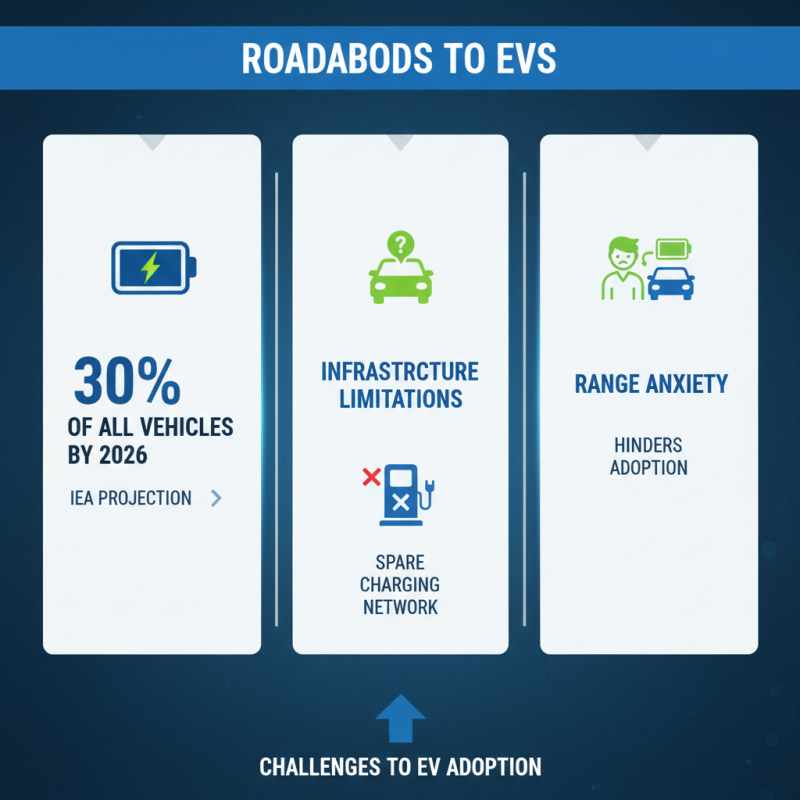
The implementation of advanced drive systems faces numerous challenges. Data from the International Energy Agency (IEA) shows that electric vehicles (EVs) are expected to comprise 30% of all vehicles by 2026. However, widespread adoption is hindered by infrastructure limitations. Charging stations are still sparse in many areas, causing range anxiety for potential users.
Moreover, the integration of autonomous driving technologies presents complexities. According to a recent report by the Society of Automotive Engineers (SAE), 70% of drivers express concerns over safety and reliability in automated systems. This worry can slow down the transition to more efficient transportation. The development of robust safety protocols is crucial but can be costly and time-consuming.
The shift to sustainable drive technologies must also address cost barriers. Research indicates that the initial investment for electric vehicle infrastructure is about $30 billion in the next five years. This presents a significant challenge for governments and private investors alike. As the industry moves forward, ongoing dialogue and innovation will be essential. The road ahead may not be perfectly smooth, but these hurdles are vital for future growth.