Best Filling Equipment for Efficient Production and Cost Savings?
In the ever-evolving landscape of manufacturing, the selection of filling equipment plays a pivotal role. Industry expert John Smith states, “The right filling equipment not only enhances production efficiency but also drives significant cost savings.” This insight highlights the crucial connection between technology and operational success.
Filling equipment is at the heart of many production lines. Choosing the best option can lead to remarkable improvements. However, manufacturers often overlook specific needs. For instance, the type of product, container size, and production speed need to align with the selected equipment. Neglecting these factors can result in inefficiencies and increased costs.
As companies aim for greater efficiency, the challenge lies in balancing innovation with practicality. Filling equipment should not be a one-size-fits-all solution. Organizations must evaluate their unique requirements before investing. Reflection on past mistakes can lead to smarter choices in the future. Investing in the right technology is an essential step towards sustainable growth.
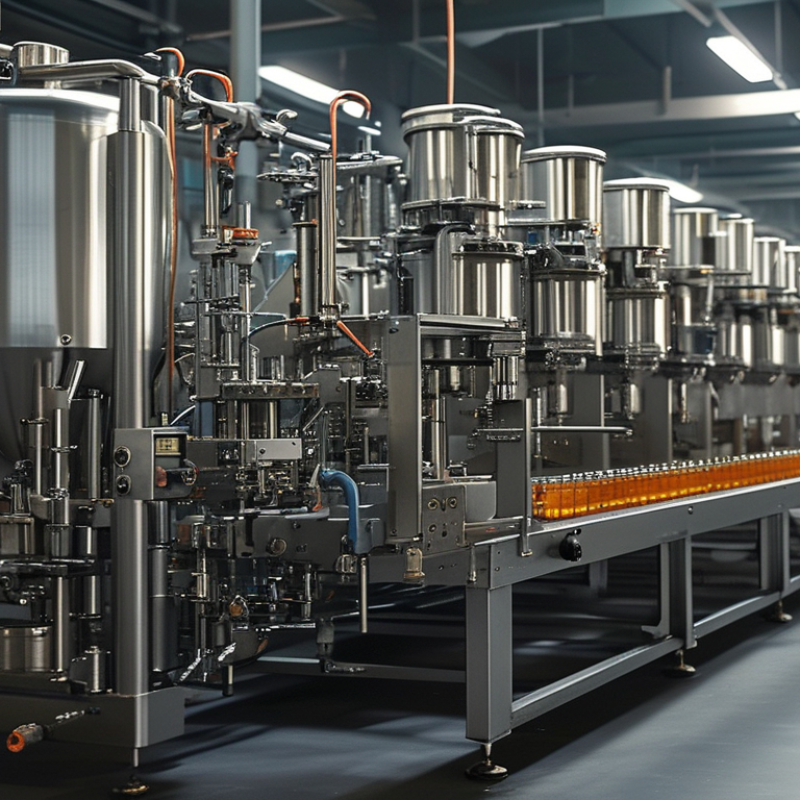
Types of Filling Equipment for Different Production Needs
When selecting filling equipment, it's vital to consider the type that best suits your production needs. Different industries have unique requirements. For instance, liquid products often require specific machinery like gravity fillers or pressure fillers.
Gravity fillers are suitable for products with low viscosity, while pressure fillers work well for thicker liquids. Understanding the viscosity of your products can lead to improved filling accuracy and efficiency.
In the realm of solid products, volumetric fillers stand out. They can handle powders, granules, and other solids evenly. This equipment can often be adjusted for various container sizes, which increases flexibility. However, incorrect settings can lead to inconsistent fill levels, impacting overall production quality. A keen eye on adjustments is necessary for optimal results.
Vacuum filling machines are highly effective for sensitive liquids, such as oils or sauces. The vacuum application minimizes the risk of foaming or spillage. However, one must thoroughly train operators on this equipment.
Overlooking operator training can result in costly mistakes. Each type of filling equipment has its strengths and weaknesses. Making the right choice depends on careful assessment of your production goals and challenges.
Key Features to Consider When Selecting Filling Equipment
Selecting the right filling equipment can significantly impact your production efficiency and cost savings. When evaluating options, consider the following key features. First, look for flexibility in the machine. Can it handle various bottle sizes and types? This adaptability can save money by reducing the need for multiple machines.
Another crucial feature is automation level. Fully automated systems enhance speed and accuracy, increasing production rates. However, assess whether your team has the training and skills to manage such advanced systems. Balancing automation with user capability is essential.
For effective use, ensure the chosen equipment is easy to clean and maintain. Frequent maintenance can lead to downtime, which is costly. Look for machines that simplify these tasks, ensuring consistent operation over time. Investing in durable materials can also lower long-term costs.
Recognize that there's no perfect solution. Each manufacturer's needs differ. Take time to test equipment, seeking feedback from operators. Their insights can reveal hidden challenges. Making an informed choice leads to better outcomes in production and cost management.
Evaluating Cost-Effectiveness of Various Filling Solutions
Selecting the right filling equipment is crucial for enhancing production efficiency. According to recent industry reports, companies can save up to 30% in operational costs by choosing appropriate filling systems. These systems not only streamline the filling process but also minimize waste and downtime. A well-designed filling machine can deliver improved accuracy, which is key to cost savings.
Evaluating various filling solutions reveals significant differences in cost-effectiveness. For instance, automated equipment often has a higher initial investment but can yield better long-term savings. A study showed that businesses investing in automation saw a 25% reduction in labor costs over five years. Additionally, factors like maintenance and energy consumption can vary widely. Some machines require frequent servicing, leading to hidden expenses that affect overall cost efficiency.
Moreover, the operational environment plays a vital role in choosing filling equipment. For example, sanitary filling solutions are essential in the food and pharmaceutical sectors. Ignoring this can result in compliance issues, leading to costly penalties. It's important for companies to analyze their specific needs. Decisions should be data-driven and reflect the actual production demands rather than assumptions. This approach ensures that their investments are sound and sustainable in the long run.
Maintenance and Efficiency Tips for Filling Equipment
Maintenance is crucial for ensuring the efficiency of filling equipment. Regular inspections can prevent unforeseen breakdowns. It’s essential to check seals and hoses for leaks. Establishing a routine schedule helps in identifying wear and tear early. Proper cleaning, especially of nozzle components, ensures accurate filling and prevents contamination. Dust and residue can accumulate, affecting performance.
Utilizing the correct lubricants is another key factor. Many operators overlook lubricants, leading to increased friction and wear. This oversight can drastically reduce equipment lifetime. Training staff on the significance of these details can enhance overall operations. Fostering a culture of maintenance responsibility among the team is beneficial.
Performance monitoring should not be neglected. Track filling rates, accuracy, and downtime. Analyze data to spot trends or recurrent issues. Sometimes, simple adjustments in settings might improve efficiency. Reflecting on these processes can reveal potential areas for improvement. Efficient production is often a cycle of continuous evaluation and adaptation.
Future Trends in Filling Technology for Cost Reduction
In the realm of industrial filling technology, cost reduction remains a significant focus. Companies are constantly seeking innovative methods to streamline their production processes. The integration of automation is a key trend. Automated filling systems can minimize labor costs and enhance consistency. However, the initial investment can be daunting for smaller companies.
Another emerging trend involves the use of smart sensors and real-time data analytics. These technologies enable manufacturers to monitor filling operations closely. Adjustments can be made on the fly, potentially saving materials and reducing waste. Yet, the complexity of these systems might pose challenges. Employees may require additional training, which can slow down initial implementation.
Moreover, sustainability is becoming a priority. Many businesses are exploring eco-friendly materials and packaging solutions. The shift towards biodegradable options can attract environmentally conscious consumers. However, balancing cost with sustainability is not straightforward. Many companies are still figuring out how to maintain profitability while adopting greener practices. The path ahead is filled with opportunities but also demands careful consideration.