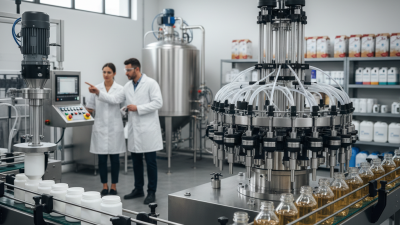
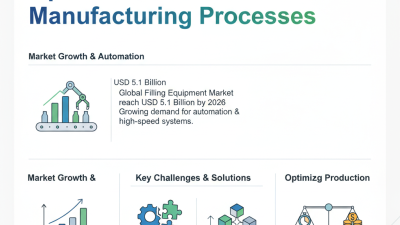
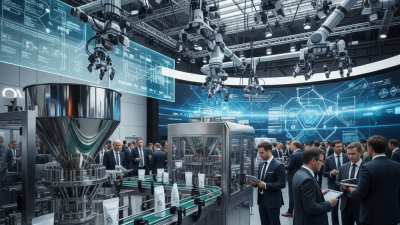
In the rapidly evolving landscape of 2026, selecting the right filling equipment has become more crucial than ever. According to a recent report by the International Packaging Association, the filling equipment market is projected to grow by over 7% annually. This growth reflects the increasing demand for efficiency and accuracy in packaging processes across various industries.
Industry expert Dr. Sarah Mitchell emphasizes, "Choosing the best filling equipment is about aligning technology with your production needs." As industries strive for optimized operations, the complexity of filling equipment adds layers of consideration. It’s not just about speed; accuracy and versatility play significant roles. Factors such as product type, container sizes, and compliance with regulations must be carefully evaluated.
However, many companies still struggle with balancing cost and quality. Choosing a cost-effective solution that meets all requirements can be daunting. Reflecting on past decisions can guide improvements in future choices. As the market matures, businesses may find innovative solutions that reshape their filling processes. The importance of informed decision-making in selecting filling equipment cannot be overstated.
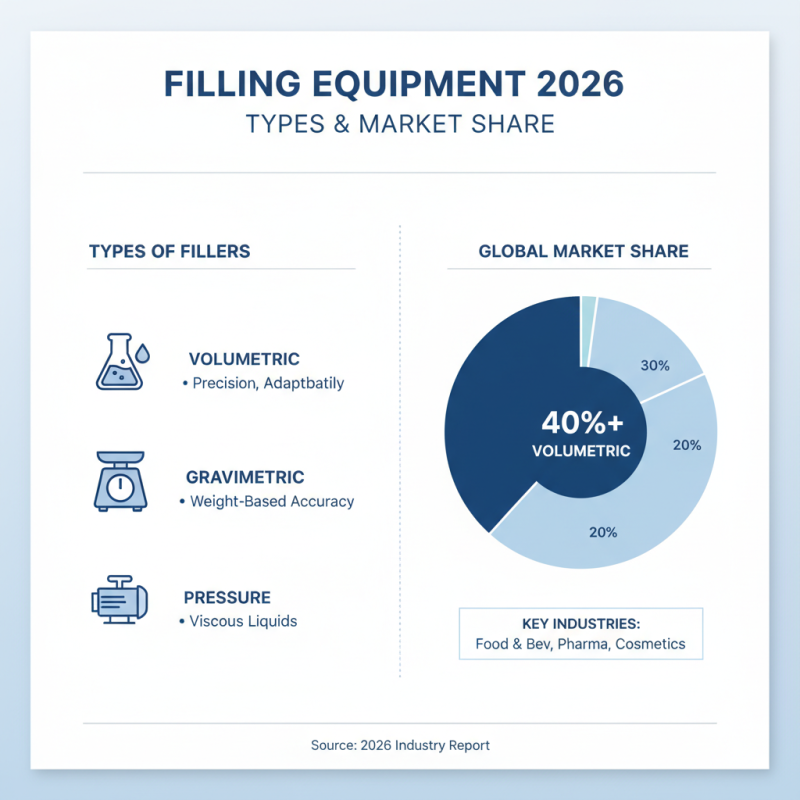
When exploring filling equipment options in 2026, it is crucial to understand the variety available. The market offers several types, including volumetric, gravimetric, and pressure fillers. Each serves distinct applications in industries like food and beverage, pharmaceuticals, and cosmetics. A recent industry report highlights that volumetric fillers dominate the market, accounting for over 40% of the global share. This is largely due to their adaptability and precision.
Gravimetric fillers, although less common, are gaining traction. They ensure accurate product weights, which is vital for compliance with regulations. According to data from industry analysts, demand for gravimetric solutions is expected to grow by 6% annually through 2028. On the other hand, pressure fillers are ideal for handling viscous or foamy liquids. However, they require more maintenance and operational oversight, which can be a drawback for small-scale producers.
Understanding these nuances is essential for manufacturers. Not all filling solutions are equal. Some may not fully meet industry standards, leading to inefficiencies. Manufacturers must weigh the benefits against potential setbacks. Investing in equipment that aligns closely with production goals is a critical step in optimizing operational efficiency. Failure to choose wisely can lead to increased costs and reduced market competitiveness.