| 1. Drawing and CAD/CAM review | The part drawing is reviewed and converted into machine instructions. Nesting software may arrange multiple parts on a sheet to reduce scrap. | File format, dimensions, material specification, thickness, tolerances, quantity, and cut geometry. | Drawing revision, units, dimensions, and manufacturability are checked before production. | Ask how drawing revisions, unclear features, and tolerance requirements are confirmed before cutting. |
| 2. Material preparation | Sheet or plate stock is identified, checked, and prepared for loading onto the cutting table. | Material grade, thickness, surface condition, flatness, and traceability requirements. | Material markings or records are compared with the order; visible defects may be checked before processing. | Confirm material grades, acceptable substitutions, and whether material certificates are available when required. |
| 3. Machine setup | The operator loads the program, positions the material, and selects suitable cutting settings and assist gas for the job. | Laser type, focus position, power, speed, nozzle condition, assist gas, and material characteristics. | Setup and initial cuts are reviewed for correct positioning and acceptable cut quality. | Check that the supplier has suitable equipment and documented setup controls for the specified material and thickness. |
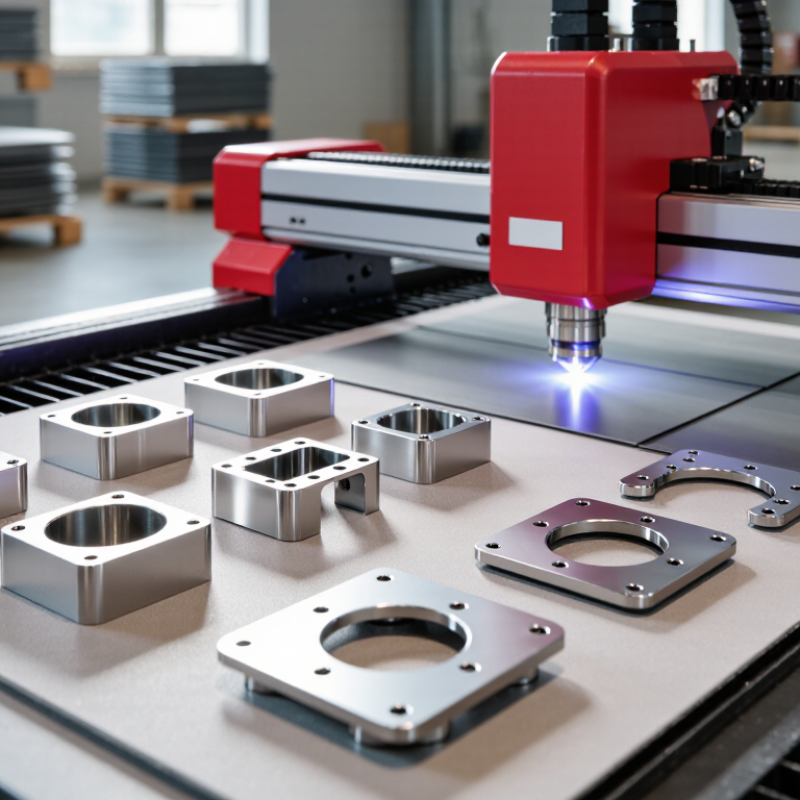
| 4. Laser cutting | A focused laser beam follows the programmed path to melt, burn, or vaporize material; assist gas helps clear material from the cut. | Cutting path, speed, power, gas type and pressure, material thickness, and thermal effects. | Parts may be checked for dimensions, cut-through, edge condition, kerf effects, and heat-related distortion. | Request confirmation that the required geometry and tolerances are achievable for the specific material and thickness. |
| 5. Part removal and finishing | Cut parts are separated from the sheet. Depending on the drawing and application, edges may be deburred or parts may receive additional finishing. | Edge requirements, part geometry, handling method, and any specified post-processing. | Edges and surfaces are inspected for burrs, scratches, deformation, or other conditions relevant to the specification. | State whether deburring, surface protection, forming, welding, or other secondary operations are required. |
| 6. Final inspection and delivery | Finished parts are inspected, counted, packed, and prepared for shipment according to the order requirements. | Inspection plan, sampling level, packaging method, labeling, quantity, and shipping requirements. | Inspection results are compared with the drawing and agreed acceptance criteria; quantity and packaging are verified. | Agree on inspection records, nonconformance handling, packaging, lead time, and delivery terms before ordering. |