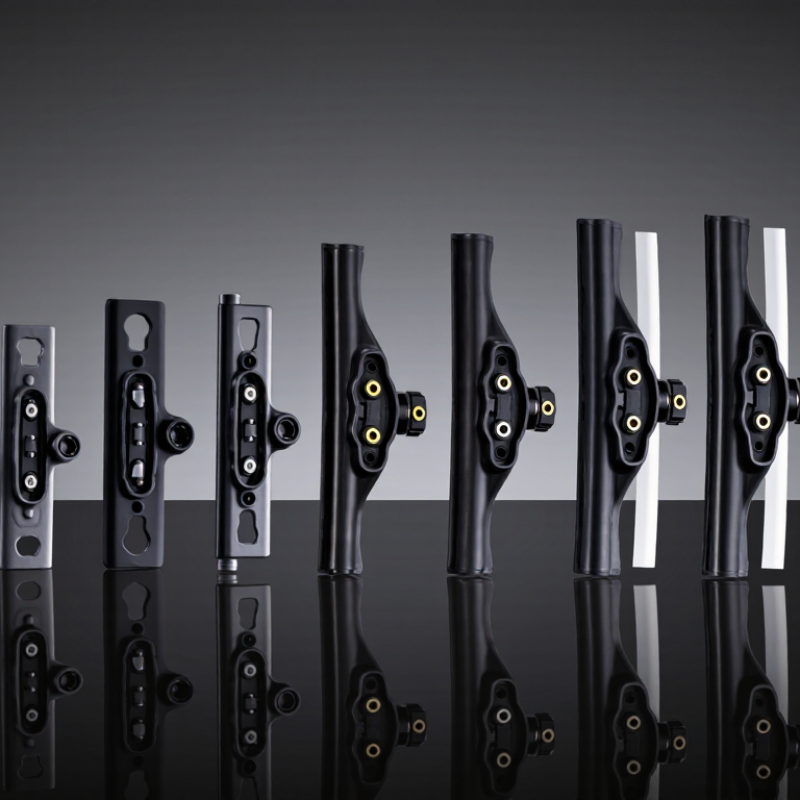
| 1 | Multi-adapter beam blade | Often offered with adapters for J-hook, top-lock, pinch-tab, and side-pin arms | Low-profile, frameless design applies pressure along the blade; fewer exposed joints can reduce snow and ice buildup compared with open-frame designs. | Exact arm compatibility depends on the included adapter set. | Drivers seeking broad fitment coverage and a streamlined all-season design. |
| 2 | Multi-adapter hybrid blade | Common packages may cover J-hook and selected top-lock, pinch-tab, or side-pin arms | Combines a covered support structure with a more aerodynamic outer profile. | The outer shell can collect packed snow, and fitment varies by model. | Drivers who want a balance of conventional support and a covered profile. |
| 3 | Multi-adapter conventional frame blade | J-hook is common; some versions include adapters for other arm styles | Familiar, serviceable frame design; replacement refills are available for some models. | More exposed joints can be vulnerable to ice accumulation than a beam-style blade. | Budget-conscious drivers and vehicles specified for conventional frame blades. |
| 4 | Winter beam blade | Available with several arm adapters, commonly including J-hook; verify the package contents | Covered construction helps keep snow and ice from obstructing exposed frame pivots. | The heavier or bulkier profile may not suit every vehicle or driver preference. | Vehicles regularly driven in snowy or freezing conditions. |
| 5 | Silicone-rubber beam blade | Multi-adapter versions commonly target J-hook and selected factory-style arms | Silicone is used in place of conventional natural-rubber wiping elements and is marketed for resistance to heat and ozone. | Typically costs more than basic rubber-blade designs; material alone does not guarantee longer service life. | Drivers prioritizing a silicone wiping element and a beam-style profile. |
| 6 | Graphite-coated rubber beam blade | Adapter coverage varies; J-hook and selected top-lock or pinch-tab fittings are common options | Graphite surface treatment is used to help the rubber glide smoothly across the glass. | Coating and rubber formulation differ between products, so performance is not uniform. | Drivers looking for a conventional rubber element with a low-profile support design. |
| 7 | Spoiler-style beam blade | Some multi-adapter packages support J-hook, top-lock, or other common arm styles | An integrated spoiler uses airflow to help press the blade toward the windshield at speed. | Spoiler shape and effectiveness depend on vehicle speed and blade design. | Frequent highway drivers whose vehicles accept the blade’s connector. |
| 8 | Low-profile beam blade | Often available for J-hook and selected push-button or top-lock arms | Compact construction can provide a tidy appearance and reduced visual bulk. | Not every low-profile design includes a wide adapter selection. | Drivers who prefer a discreet blade and can confirm arm compatibility. |
| 9 | Rear-window multi-adapter blade | May include adapters for rear-arm fittings such as specialized hooks or bayonet-style connections | Designed for rear-window dimensions and arm geometry that differ from many front-wiper setups. | Rear-arm fittings are especially vehicle-specific; front-blade compatibility does not confirm rear fit. | Replacing a rear wiper after checking the vehicle’s exact rear-arm connection. |
| 10 | OE-style multi-adapter replacement blade | May cover common factory-style connections, including top-lock, pinch-tab, or push-button types | Designed to provide a familiar installation style for vehicles using less common factory-fit arms. | “OE-style” does not mean universal; adapter shape and blade length must still match the vehicle. | Drivers replacing factory-style blades who want an alternative with included adapters. |