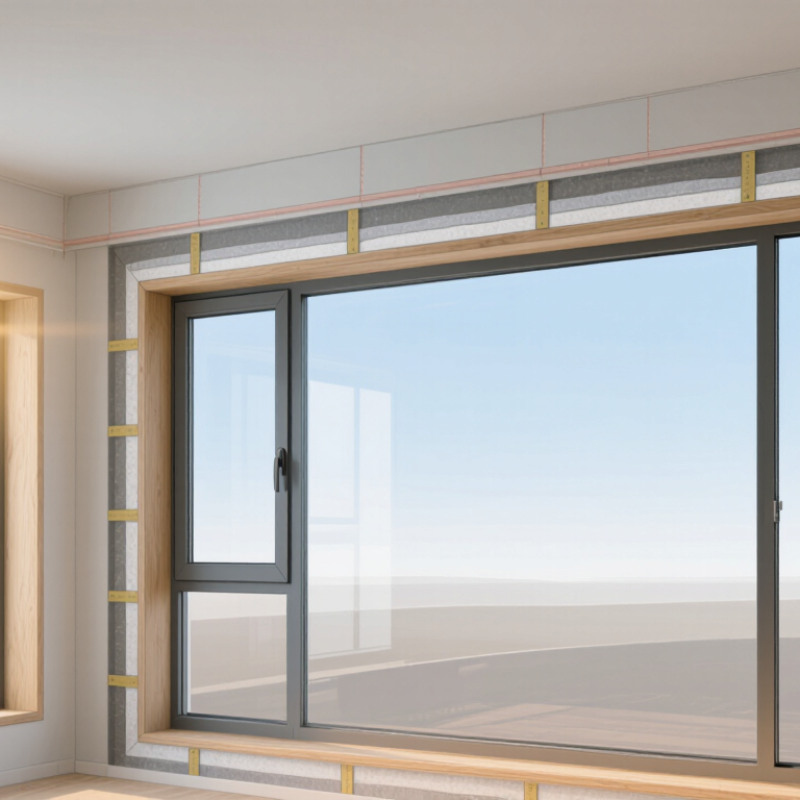
10 Best Picture Windows for Energy Efficiency?
Ten Energy-Efficient Picture Window Options and Their Benefits
Picture windows can brighten a room, but glass also transfers heat. The U.S. Department of Energy reports that windows cause about 25–30% of household heating and cooling energy use. NFRC labels make comparison easier. Lower U-factor slows heat loss, while suitable solar heat gain coefficient (SHGC) controls sunlight.
Ten practical options deserve attention:
1) double-pane low-emissivity glass reduces radiant heat transfer;
2) triple-pane low-e glass improves insulation in cold climates;
3) argon-filled cavities add affordable thermal resistance;
4) krypton-filled cavities suit narrow gaps;
5) warm-edge spacers reduce edge condensation;
6) insulated fiberglass frames limit conductive loss;
7) composite frames resist weather and frame movement;
8) low-SHGC glass reduces summer overheating;
9) higher-SHGC glass supports useful winter solar gain;
10) laminated glass improves comfort, durability, and noise control.
The International Energy Agency identifies building efficiency as a major path to lower energy demand. Still, the best option depends on orientation, climate, shading, and wall insulation. A low-SHGC window on a shaded northern wall may waste money. I have seen attractive specifications perform poorly when installation leaves gaps around the frame. Sealant, flashing, and accurate sizing matter. No window is perfect. Even triple glazing can disappoint when sunlight enters an unshaded west-facing room. Check NFRC ratings, local heating data, and condensation risk before choosing.