2026 Best Precision Technology Innovations for Future Industries?
In recent years, precision technology has dramatically transformed various industries. According to a report by MarketsandMarkets, the global precision technology market is projected to reach $870 billion by 2026. This growth highlights the increasing reliance on enhanced accuracy in manufacturing, healthcare, and logistics. As companies pursue innovation, they often overlook the challenges of integrating new technologies.
Emerging innovations in precision technology promise significant benefits. For instance, advanced robotics and AI-driven data analytics enable businesses to optimize processes. However, the implementation of these tools can be complex. Many organizations struggle with data integration and face significant costs. A study by McKinsey found that only 30% of companies successfully implement precision technology innovations.
Furthermore, the shift towards sustainability in precision technology is undeniable. Industries are now prioritizing eco-friendly practices. Yet, there is a need for critical assessment. Some methods could introduce new challenges and require further research. As we approach 2026, embracing these innovations will require a careful balance of benefits and potential pitfalls.

Best Precision Technology Innovations: An Overview of Future Potential
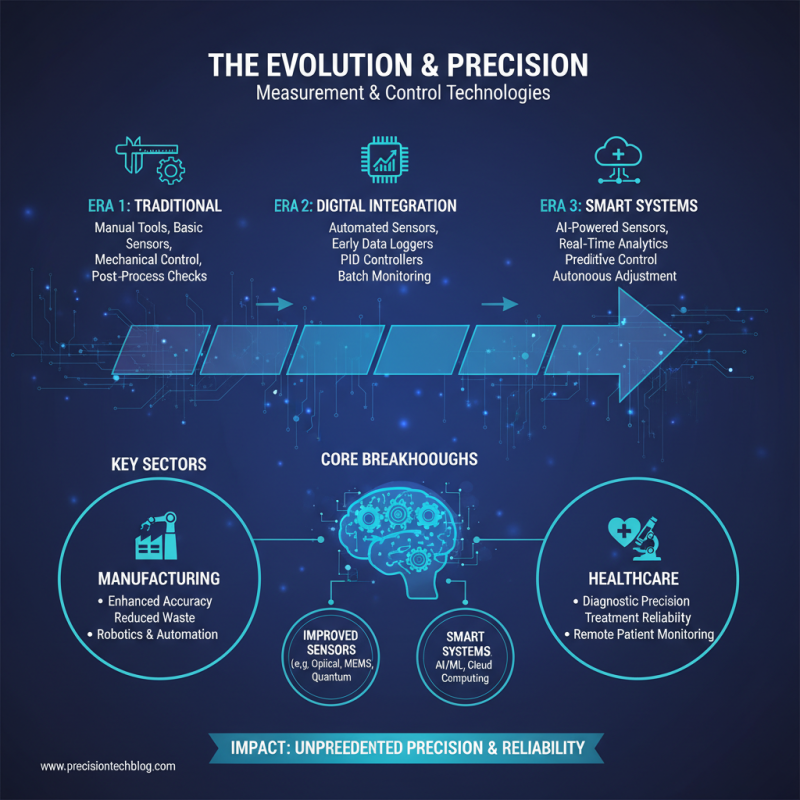
The future of precision technology holds remarkable promise. Innovations in measurement and automation are shaping industries. Enhanced sensors and data analytics are crucial. They allow for real-time insights. This leads to improved efficiency across sectors.
One area of focus is advanced robotics. These machines can perform tasks with extreme accuracy. They reduce waste significantly. Yet, there are challenges. The integration of AI in robotics raises ethical concerns. How transparent are these algorithms? This demands reflection on implications for employment and safety.
Another innovation is in biotechnology. Precision medicine tailors treatments to individual needs. This can transform healthcare, but it requires extensive data. Ensuring privacy is vital. Data breaches can severely impact trust. As we advance, these hurdles must be addressed as we unlock the potential of precision technologies.
2026 Best Precision Technology Innovations for Future Industries
Key Industries Set to Benefit from Precision Technology Innovations
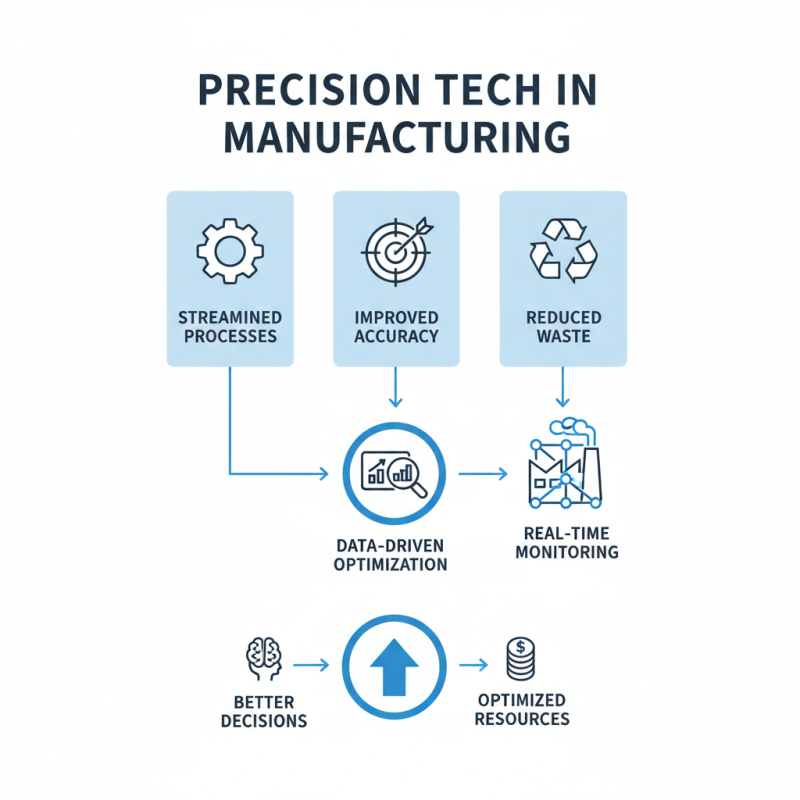
The future industries are poised for significant transformation through precision technology innovations. Sectors like healthcare and manufacturing are especially set to gain. According to a recent report, over 70% of manufacturers believe that precision technologies will improve their operational efficiency. This shift could lead to reduced costs and enhanced product quality.
In healthcare, precision medicine is becoming increasingly vital. A study shows that it could result in better treatment outcomes for nearly 50% of patients. Technologies like gene editing and targeted therapies are revolutionizing treatment plans. However, there are concerns regarding accessibility and equitable distribution of these advanced technologies.
The agriculture sector is also adapting precision techniques. The use of drones and sensors improves crop yields by up to 20%. Yet, the high initial investment poses a barrier for many small-scale farmers. Addressing these challenges is essential for a more inclusive future. Better access to data and resources can create a more sustainable farming ecosystem.
Emerging Trends and Challenges in Precision Technologies for Future Industries
Emerging trends in precision technology are reshaping industries globally. By 2026, the precision technology market is expected to reach a value of $280 billion, driven by advancements in automation and data analytics. However, the integration of these technologies poses several challenges. A staggering 50% of companies report issues with data management and interoperability.
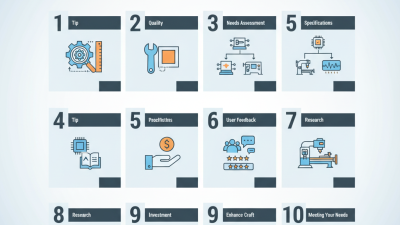
Tips: Invest in employee training. Workers need skills to handle new tech efficiently. This investment pays off in long-term productivity.
Precision technologies, such as AI and IoT, demand a robust infrastructure. Many organizations struggle to implement these systems effectively. Research shows that approximately 40% of businesses lack sufficient resources to harness these technologies fully. It’s crucial to assess the current capabilities before implementation.
Tips: Start small. Pilot projects can reveal potential pitfalls without overwhelming resources. Analyze results carefully to inform scale-up strategies.
Understand that the journey to precision technology isn’t straightforward. Companies must adapt and evolve continuously. Failure to do so can lead to wasted investments and missed opportunities. The future holds promise, but readiness is key.