| Passenger vehicles | Purpose-built vehicle-carrying rail wagons or suitable enclosed rail equipment | Vehicles are secured to limit movement; loading arrangements depend on vehicle dimensions and wagon design. | Confirm vehicle count, dimensions, loading access, route availability, and delivery requirements. |
| Construction and agricultural machinery | Flat wagons or other wagons selected for the cargo’s weight and loading method | Heavy items may need engineered blocking, lashing, and a review of axle loads and weight distribution. | Provide packed dimensions, gross weight, center of gravity where available, and loading or lifting requirements. |
| Oversized industrial equipment | Specialized flat or low-platform wagons, subject to route and equipment assessment | Clearance, bridge limits, loading gauge, and securement requirements must be checked before movement. | Route surveys and advance coordination may be necessary; transit feasibility depends on the specific route. |
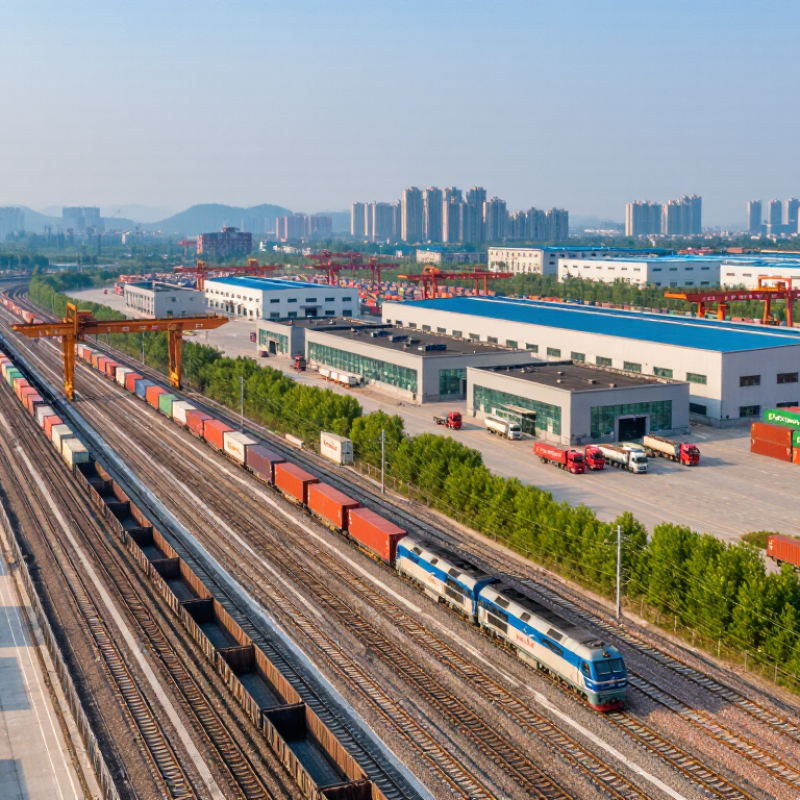
| Containerized components and general cargo | Rail containers or container-compatible wagons for suitable shipments | Cargo must be packed and secured to withstand rail handling and movement; container weight limits apply. | Check container type, gross weight, terminal access, and whether first- and last-mile transport is needed. |
| Bulk materials | Open, covered, or purpose-designed bulk wagons, depending on the commodity | Protection from weather, dust control, and loading and unloading equipment are commodity-specific. | Confirm commodity properties, volume, loading facilities, unloading facilities, and applicable transport rules. |
| Cross-border rail freight | Containerized or wagon-based service, depending on corridor and cargo | International movements can involve customs procedures and, on some corridors, a change of rail gauge or cargo transfer. | Verify the current corridor, border procedures, documentation, transit arrangements, and final delivery plan. |