| Structural design and load data | 25% | Confirm that upright frames and beams are designed for the specified rack layout, pallet loads, beam levels, and operating conditions. Check that capacity figures state the assumptions and configuration they apply to. | Project-specific drawings, load tables, design calculations, and clearly stated design assumptions. | Treat a standalone load figure as insufficient if it is not tied to a defined rack configuration and loading condition. |
| Standards and engineering compliance | 15% | Ask which design and operational standards apply to the destination market and project. Depending on the application, relevant references may include EN 15512, EN 15620, EN 15629, EN 15635, or ANSI MH16.1. | Applicable standard editions, engineering documentation, inspection or test reports, and any required conformity documents. | Check the scope and validity of each document; a standard reference alone does not establish that a particular installation complies. |
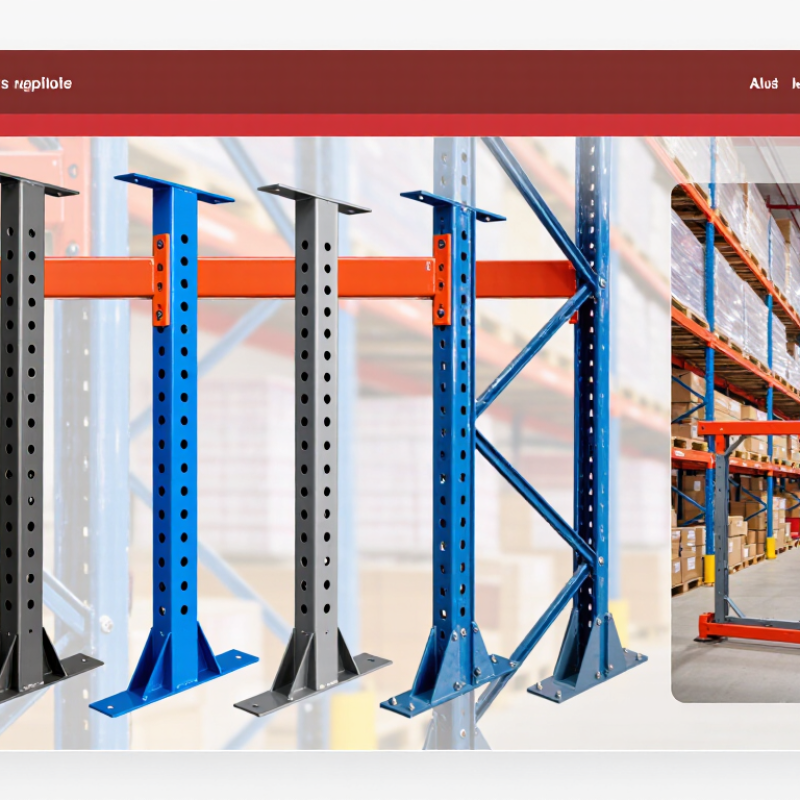
| Upright profile and material control | 15% | Review upright section dimensions, steel grade, thickness, perforation pattern, and connection details. Confirm that supplied components match the approved drawings and specifications. | Material certificates where applicable, incoming inspection records, dimensional checks, and component identification or batch records. | Compare actual component specifications with the design documents rather than relying on appearance or nominal dimensions alone. |
| Manufacturing quality and process control | 15% | Assess control of roll forming, punching, welding where applicable, surface preparation, coating, and final inspection. Ask how nonconforming parts are identified and handled. | Quality procedures, inspection plans, production records, coating specifications, and records of corrective actions. | A factory audit or live production review can help verify that documented procedures are used in practice. |
| Fit, tolerances, and compatibility | 10% | Check upright and beam interfaces, connector engagement, frame bracing, and dimensional tolerances. For extensions or replacement parts, confirm compatibility with the existing system. | Assembly drawings, tolerance records, sample components, and a documented compatibility review. | Do not assume that components from different rack systems are interchangeable because they look similar. |
| Finish and corrosion protection | 8% | Specify the required finish for the environment, such as a suitable painted or galvanized finish. Review coating coverage, surface preparation, and any project-specific corrosion requirements. | Coating specification, process records, inspection results, and finish samples where appropriate. | Match the finish to the site conditions; no single coating option is appropriate for every environment. |
| Documentation, installation, and after-sales support | 7% | Confirm availability of installation instructions, safety information, component identification, inspection guidance, spare parts, and a process for handling technical questions or claims. | Document samples, written warranty terms, service contacts, spare-parts list, and response-time commitments. | Clarify who is responsible for design approval, installation, inspection, and ongoing maintenance before ordering. |
| Commercial terms and delivery reliability | 5% | Compare quotations on the same scope, specification, packaging, delivery terms, lead time, and payment conditions. Confirm how changes and shortages are managed. | Itemized quotation, agreed production schedule, packaging details, and written order terms. | Evaluate total project cost and delivery risk, not just the quoted unit price. |