Request Quote

Request a quote from Nidec Drive Technology America Corporation.

This quote form is intended for customers and partners in North America seeking information about Nidec Drive Technology America Corporation’s Precision Gearing Technologies. For inquiries related to the Nidec motor group division or from outside this region, please visit the global Nidec Group website to find the appropriate regional or product-specific contact.

Subscribe to Nidec Newsletter

Subscribe to our email newsletter to stay current with our precision gearing solutions, featured products, company updates, and industry news.

7 Tips for Buying French Patio Doors

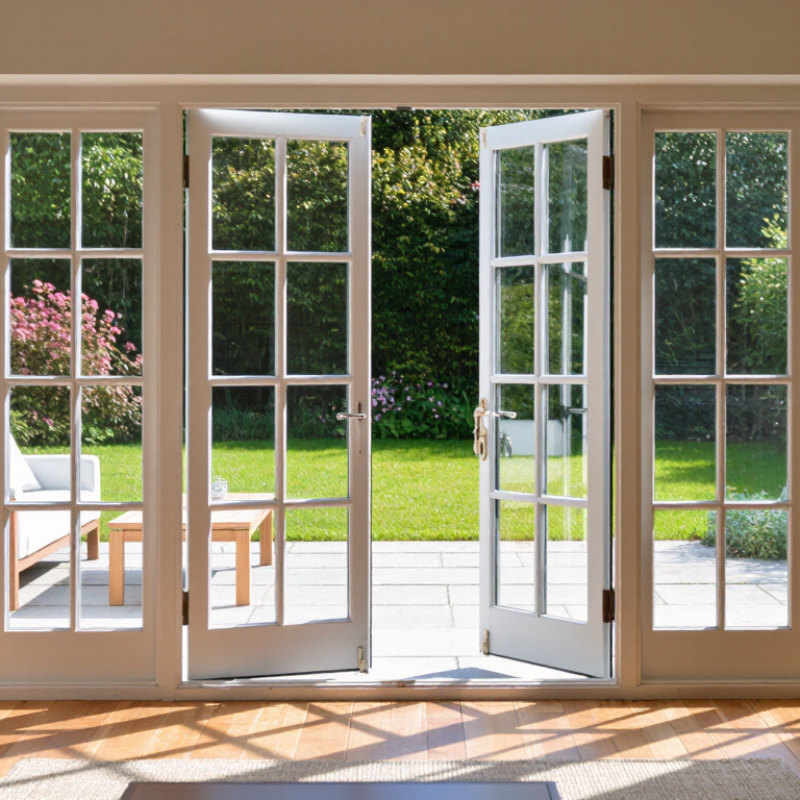
French patio doors can make a room feel brighter and connect it naturally to a garden, deck, or balcony. Their wide glass panels offer an inviting view, but appearance is only part of the decision. French Doors Patio Doors may describe several styles, so check how each model opens before comparing prices. Some use hinged panels; others combine French-inspired details with a different operating system. Details matter.

Start with the opening’s exact width and height, then consider which way the doors will swing. A door that blocks a walkway or furniture can become frustrating every day. Look at glazing options, frame materials, weather seals, and hardware, and compare the manufacturer’s specifications rather than relying on photos alone. For colder or hotter climates, suitable glass and tight seals may improve indoor comfort, though performance varies by product and installation. Security features deserve a close look, too. Check the locking points and ask how the frame should be anchored.

Installation affects how well the doors operate. An uneven opening can cause sticking, gaps, or difficult locking, so confirm what preparation and fitting are included in any quote. Measure twice. Ask questions. A checklist helps, but it cannot reveal every issue in an older home. If the opening is unusual or structural changes may be needed, consult a qualified installer. These seven buying tips will help you compare options carefully, spot trade-offs, and choose doors that suit your space—not just the showroom.

7 Tips for Buying French Patio Doors

Understanding French Patio Door Styles and Configurations

French patio doors vary in how they open, how much glass they show, and how much clearance they need. A hinged pair creates a classic, wide opening when both panels swing aside. Check the swing path against nearby furniture, steps, and walkways. In-swing doors keep the exterior clear, but can occupy valuable indoor floor space. Out-swing doors reverse that trade-off. Small detail, big difference.

Sliding French-style doors offer broad glass views without a panel swinging into the room. They suit tight patios, though only part of the doorway opens at once. Compare frame sightlines, panel operation, and threshold height in person; photographs can hide bulky frames.

The U.S. Department of Energy’s Energy Saver guidance says windows account for about 25–30% of residential heating and cooling energy use. That figure concerns windows, not doors, but it shows why glazing deserves attention.

Check the National Fenestration Rating Council label for U-factor and solar heat gain coefficient (SHGC), then compare ratings suited to your climate. I would not choose by appearance alone. A beautiful door that blocks a narrow path can feel wrong every day.

Measuring the Opening and Planning Door Placement

Measure the rough opening, not just the existing door slab. Record width at the top, middle, and bottom, then use the smallest measurement. Repeat for height on both sides and in the center. Check both diagonals; a noticeable difference can signal a frame that is out of square. Also note whether the sill slopes or shows water damage. A tape measure can miss that.

Tip: Sketch the opening and mark every measurement. Plan the door swing before ordering. French doors need clear space for both panels, nearby furniture, and everyday foot traffic. Check that handles will not hit a wall or cabinet. Confirm the required rough-opening size with the installation instructions; guessing here is an expensive habit.

Think about where sunlight and rain reach the opening, too. A west-facing glass door may bring strong afternoon heat, while a low threshold needs careful drainage planning. The U.S. Department of Energy’s Energy Saver guidance estimates that windows account for about 25–30% of residential heating and cooling energy use. Patio doors contain substantial glazing, so measure carefully and discuss glass performance with a qualified installer. One detail is easy to overlook: curtains or furniture can restrict the opening after installation. I would sketch those too.

7 Tips for Buying French Patio Doors: Measure the Opening and Plan Placement

Measure the opening width at the top, middle, and bottom, and its height at the left, center, and right. Measure both diagonals to check whether the opening is square. Record the smallest width and height, and confirm the required rough-opening dimensions with the door’s installation instructions.

Comparing Frame Materials, Glass, and Energy Performance

French patio doors can brighten a room, but their frame material affects upkeep, comfort, and daily use. Wood offers a warm, traditional look and can be repainted, though exposed finishes may need regular attention. Vinyl usually needs less maintenance, while fiberglass resists moisture and temperature changes. Aluminum frames are slim, but metal conducts heat; look for models with thermal breaks.

Glass matters just as much. Double-pane glass is a common starting point, and low-emissivity coatings can reduce heat transfer. In cold or windy areas, ask about the whole door’s U-factor and air-leakage rating, not just the glass. Lower U-factors generally indicate better insulation. Check that the rating suits your climate. A sunny room may also benefit from glass that limits solar heat gain, though too much tint can make the space feel dim.

Small details count. Inspect the weatherstripping, locking points, and threshold, especially near the floor where drafts often show up. On a showroom sample, slide the panels and check whether the handles feel sturdy. Measure the opening carefully; an excellent door can still perform poorly if it is installed out of square. I once focused too much on appearance. I missed the threshold height. That oversight can matter when moving furniture or navigating the doorway.

Checking Security Features, Hardware, and Accessibility

French patio doors have a wide central meeting point, so inspect how the two panels secure together. Look for a multipoint locking system that engages at several points, not just a single latch. Check that the inactive panel has sturdy flush bolts at both the top and bottom. Small details matter. With the doors closed, try the handle and gently test for movement between the panels.

Hardware should feel firm, operate smoothly, and suit the door’s exposure. Salt air and frequent rain can wear finishes faster, so ask about corrosion-resistant materials and suitable maintenance. Hinges should support the door without sagging; uneven gaps or a handle that sticks may signal poor adjustment. I would not judge security by a heavy-looking handle alone. A secure lock still depends on sound installation, solid framing, and glazing suited to the location.

Accessibility deserves a practical test. Check the clear opening with furniture nearby, and consider whether the door swings into a walkway. A low threshold can make wheeled access easier, but it must also manage water and drafts. Test it twice. Open and close each panel, then notice the effort required and whether the handle is reachable from a seated position. If the floor is uneven or the opening is unusually narrow, get measurements before ordering; guessing here can be an expensive mistake.

Budgeting for Installation, Maintenance, and Long-Term Value

For French patio doors, the purchase price is only one part of the budget. Ask installers to separate labor, removal, disposal, flashing, trim, and any structural repairs. Two quotes can look similar while covering very different work. Check whether the estimate includes permits and finishing around the opening. That detail matters.

A useful, but imperfect, comparison comes from Remodeling’s 2024 Cost vs. Value report. It put national vinyl window replacement costs at $21,264, with an estimated resale value of $14,270, or 67.1% recouped. This is a window benchmark, not a French-door price or guaranteed return. Use it to frame expectations, then compare local, door-specific bids. The U.S. Department of Energy says windows can account for 25–30% of home heating and cooling energy use. Better sealing and suitable glazing may help reduce losses, but savings depend on climate, installation, and how the home is used.

Budget for upkeep, too. Inspect seals and drainage channels each year, and clean tracks before grit grinds into rollers. Ask what routine care the door material needs and how hardware can be replaced. A low quote may still be costly if it excludes finishing or leaves drafts. I would weigh the full installed price against comfort, maintenance, and expected service life—not resale value alone.

7 Tips for Buying French Patio Doors - Budgeting for Installation, Maintenance, and Long-Term Value

Tip Budget Item Illustrative U.S. Planning Range What to Check Long-Term Value Consideration
1. Set a complete project budget Door unit, delivery, labor, and finishing $2,000–$8,000+ total for many standard projects Compare written, itemized quotes. Costs vary with door size, materials, glazing, location, and project complexity. A complete estimate helps prevent underbudgeting for trim, disposal, hardware, and other project costs.
2. Confirm the opening before choosing a door Measurement and possible opening modifications Measurement may be included in an installation quote; structural changes can add hundreds to several thousand dollars. Have the opening measured for width, height, squareness, and condition. Ask whether the quote assumes an unchanged opening. Accurate sizing reduces the risk of ordering errors, delays, and costly rework.
3. Budget separately for installation Removal of the old door, fitting, flashing, sealing, and trim About $500–$2,000 for labor on many straightforward replacements; more if repairs or alterations are needed. Confirm what is included, who handles permits if required, and whether water-damaged framing is excluded. Careful installation and weather sealing help protect the surrounding wall from air and water intrusion.
4. Compare materials by upkeep and exposure Frame material and finish Prices vary widely; obtain quotes for the same size, glass package, and hardware before comparing. Consider local climate, sun exposure, finish requirements, durability, and the condition of existing trim. Lower maintenance needs may be useful over time, but the best choice depends on climate, care, and initial cost.
5. Choose glazing for your climate and comfort needs Insulated glass, coatings, and safety glazing where required Usually priced as part of the door specification; upgrades can increase the upfront quote. Compare the product’s stated U-factor and solar heat gain coefficient, and check local code requirements. Performance depends on the whole opening, installation, climate, and household use; energy savings are not guaranteed.
6. Plan for routine maintenance Cleaning, inspection, and occasional finish or sealant work Basic cleaning supplies may cost under $50 per year; repair or refinishing costs vary by condition and material. Follow the care instructions. Keep tracks and drainage paths clear where applicable, and inspect seals and finishes periodically. Routine care can help maintain smooth operation and identify small problems before they become larger repairs.
7. Compare quotes and warranty details Product coverage, labor coverage, and service terms No standard price; ask for coverage details in writing before signing. Check coverage period, exclusions, required maintenance, who handles claims, and whether labor is included. A clear warranty and service plan can make future repair responsibilities easier to understand.

Planning note: Cost ranges are broad illustrative U.S. estimates, not quotes. Actual prices vary by region, door dimensions, materials, site conditions, labor rates, and required repairs.