| Semiconductor processing | Tubes, boats, liners, chambers, and custom components | Wafer fabrication and thermal processing equipment | High-temperature capability, chemical resistance, and low contamination potential when the appropriate grade and processing are used | Purity grade, dimensional tolerances, surface finish, cleanliness, and compatibility with the intended process |
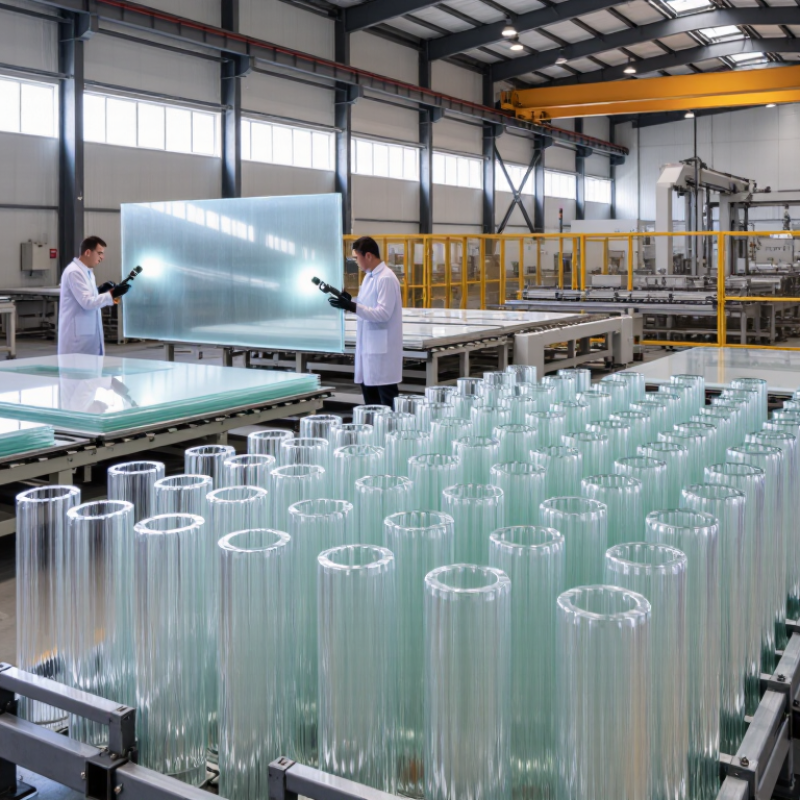
| Quartz tubing | Clear or opaque tubes in specified diameters and wall thicknesses | Furnaces, laboratory equipment, lighting systems, and industrial heaters | Thermal stability and resistance to many corrosive environments; performance depends on grade and operating conditions | Outer and inner diameter, wall thickness, straightness, end finish, and allowable service conditions |
| Optical components | Windows, plates, lenses, and optical blanks | UV optics, analytical instruments, scientific equipment, and laser systems | Some grades provide useful ultraviolet transmission; transmission varies with wavelength, grade, thickness, and surface quality | Transmission range, optical homogeneity, surface quality, coating requirements, and test documentation |
| Fused silica for fiber optics | High-purity glass preforms and related components | Manufacture of optical fiber for telecommunications and sensing | High-purity silica is used in optical fiber, where composition and processing influence optical performance | Purity specifications, dimensional consistency, defect limits, and traceability to the agreed specification |
| Laboratory ware | Crucibles, beakers, dishes, rods, and custom glassware | Research laboratories, sample preparation, and high-temperature testing | Low thermal expansion compared with many common glasses and good resistance to thermal shock under suitable conditions | Capacity, shape, wall thickness, thermal-use guidance, and cleaning or packaging requirements |
| Furnace and heating components | Process tubes, sight glasses, sleeves, and support parts | High-temperature furnaces, heat-treatment lines, and laboratory ovens | Quartz glass can be used in high-temperature equipment, but its service life depends on temperature, atmosphere, load, and design | Maximum operating conditions, thermal cycling requirements, dimensions, and mounting method |
| Lighting and UV systems | Envelopes, sleeves, and protective tubes | Specialty lamps, UV equipment, and certain sterilization systems | Quartz glass grades can transmit ultraviolet radiation; transmission and suitability depend on the specific wavelength and grade | Required wavelength band, transmission data, thermal limits, and applicable product or safety standards |
| Solar and photovoltaic equipment | Quartz boats, tubes, and process fixtures | Thermal processing steps in solar-cell and photovoltaic manufacturing | Quartz components are used in high-temperature process equipment; grade and cleanliness requirements vary by process | Process compatibility, contamination controls, dimensions, inspection criteria, and replacement-part consistency |
| Chemical and corrosive-process equipment | Vessels, tubes, liners, and viewing components | Laboratory and industrial processes involving selected acids or reactive chemicals | Quartz glass resists many chemicals, but it is not resistant to every chemical; hydrofluoric acid attacks silica | Chemical concentration, temperature, exposure time, pressure conditions, and compatibility confirmation |
| Custom fabrication and machining | Cut, ground, drilled, polished, or assembled quartz parts | Equipment integration, research instruments, and specialized production systems | Quartz glass can be fabricated into varied shapes, while machining and finishing influence strength and surface quality | Engineering drawings, tolerances, edge treatment, inspection method, packaging, and sample approval process |