| Step-Up Substation | Generation voltage to transmission voltage | Increases generator output voltage so electricity can be transmitted over long distances with lower current and reduced line losses. | Power plants, renewable-energy generation sites, hydroelectric stations, thermal stations, and utility-scale battery projects. | Generator step-up transformers, commonly with high-voltage bushings and on-load or off-circuit tap changers as required. | Generator circuit breakers, disconnectors, grounding switches, current transformers, voltage transformers, and surge arresters. | Short-circuit withstand, insulation coordination, synchronization, cooling capacity, fire protection, and grid-code compliance. |
| Step-Down Substation | Transmission voltage to distribution voltage | Reduces high transmission voltage to a level suitable for regional distribution networks and large industrial users. | Utility transmission networks, regional grid supply points, industrial zones, and metropolitan load centers. | Power transformers with high-voltage and medium-voltage windings; tap-changing equipment is often used for voltage regulation. | High-voltage circuit breakers, busbars, disconnectors, protection relays, instrument transformers, and surge protection. | Load growth, transformer redundancy, voltage stability, fault clearing, noise control, and access for maintenance. |
| Distribution Substation | Medium voltage to low voltage | Supplies electricity to local commercial, residential, agricultural, and small industrial consumers. | Urban neighborhoods, rural networks, commercial buildings, schools, hospitals, and light-manufacturing facilities. | Distribution transformers, often oil-immersed outdoors or dry-type indoors, with ratings selected for local demand. | Medium-voltage switchgear, reclosers, fuses, low-voltage panels, surge arresters, and feeder protection devices. | Reliability, compact footprint, public safety, voltage quality, easy maintenance, and accommodation of changing loads. |
| Collector Substation | Multiple collection feeders to grid interconnection voltage | Combines power from several generation feeders and transfers it to a transmission or sub-transmission network. | Solar photovoltaic parks, wind farms, hybrid renewable-energy plants, and large distributed-generation projects. | Medium-voltage collector transformers, main step-up transformers, and auxiliary service transformers. | Medium-voltage collector switchgear, feeder breakers, protection relays, metering, communications, and grid-interconnection equipment. | Variable generation, harmonic performance, reactive-power control, grounding, weather resistance, and remote monitoring. |
| Traction Substation | Utility supply to railway traction voltage | Converts and distributes electrical power for railway propulsion systems and associated railway equipment. | Electric railways, metros, light-rail systems, high-speed rail lines, and railway maintenance facilities. | Traction transformers, rectifier transformers, or specially configured transformers matched to AC or DC traction systems. | AC or DC switchgear, rectifiers, feeder breakers, return-current systems, protection relays, and disconnectors. | High cyclic loads, voltage fluctuation, stray-current control, electromagnetic compatibility, passenger safety, and availability. |
| Industrial Substation | Utility voltage to plant distribution voltage | Provides dedicated electrical supply, voltage transformation, and protection for energy-intensive industrial processes. | Steel plants, chemical facilities, mining operations, cement plants, data centers, and large manufacturing sites. | Power transformers, furnace transformers, rectifier transformers, or dry-type transformers depending on the process load. | Metal-enclosed switchgear, motor-control centers, bus ducts, variable-frequency-drive interfaces, and advanced protection systems. | Process continuity, high inrush currents, harmonics, arc-flash mitigation, selective coordination, and maintenance planning. |
| Mobile Substation | Temporary transmission or distribution service | Restores or supplements electrical service when a permanent substation is unavailable, overloaded, or under maintenance. | Emergency restoration, planned outages, disaster recovery, temporary construction loads, and network expansion projects. | Transportable power transformer with integrated switchgear, protection, control, and auxiliary systems. | Compact high-voltage and medium-voltage switchgear, cable connections, protection relays, grounding equipment, and control panels. | Transport dimensions, rapid deployment, safe connection procedures, environmental protection, mechanical robustness, and interoperability. |
| Indoor Substation | Usually medium voltage and selected high-voltage applications | Contains electrical equipment inside a building to protect it from weather, pollution, unauthorized access, or space limitations. | Dense urban areas, commercial complexes, underground facilities, factories, data centers, and high-value infrastructure. | Dry-type transformers are common where fire safety and indoor installation are priorities; sealed oil units may also be used with suitable provisions. | Metal-clad switchgear, gas-insulated switchgear, low-voltage distribution boards, protection relays, and monitoring systems. | Ventilation, fire resistance, noise, clearances, access routes, arc-flash containment, and building-code compliance. |
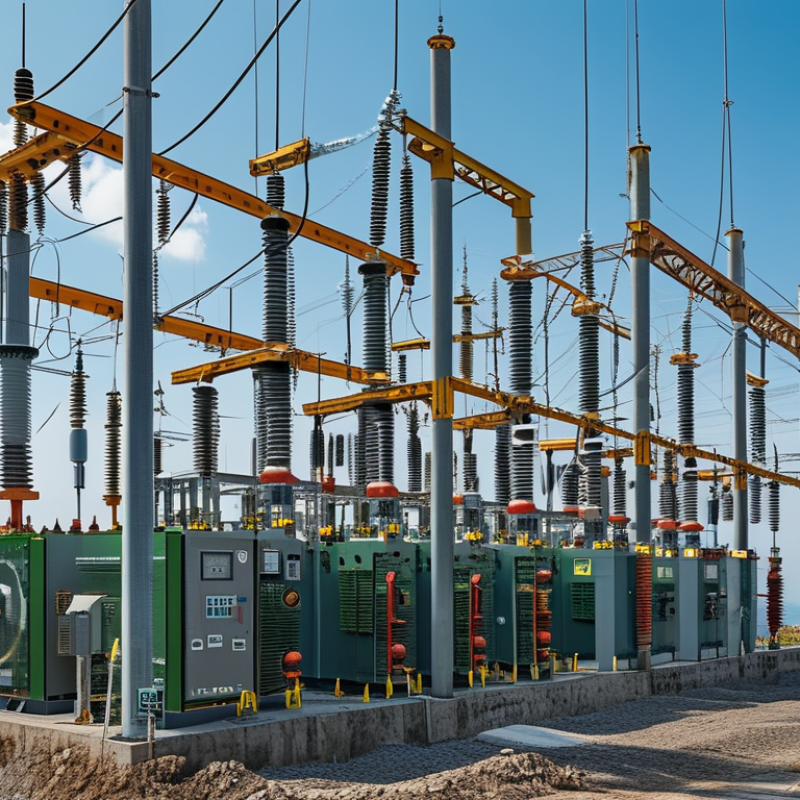
| Outdoor Substation | Medium voltage to extra-high voltage | Provides open-air transformation, switching, protection, and power-flow control across a broad range of network voltages. | Transmission yards, utility substations, rural distribution networks, generation sites, and industrial campuses. | Outdoor oil-immersed power transformers with radiators, conservators or sealed tanks, bushings, and cooling accessories. | Air-insulated switchgear, circuit breakers, disconnectors, busbars, instrument transformers, surge arresters, and grounding grids. | Lightning protection, pollution level, weather exposure, land use, security, earthing, maintenance clearances, and noise. |
| Gas-Insulated Substation | Medium voltage to extra-high voltage | Uses enclosed insulated switchgear to reduce the footprint and improve protection from environmental conditions. | Urban transmission networks, underground substations, coastal areas, polluted environments, tunnels, and space-constrained sites. | Transformers are installed adjacent to or integrated with the switchgear arrangement; dry-type or oil-immersed units may be selected by project conditions. | Enclosed gas-insulated circuit breakers, disconnectors, earthing switches, busbars, current transformers, and voltage sensors. | Compact layout, gas handling, leak monitoring, lifecycle management, seismic design, installation quality, and specialized maintenance. |