China Top 10 Electric Motor Project Suppliers?
Choosing a motor supplier in China is rarely just a price comparison. A factory quote may look attractive, yet winding design, insulation class, bearing choice, and test records shape long-term performance. Small details matter. For an Electric Motor Project, the right partner should understand the operating load, duty cycle, voltage, mounting dimensions, and service environment. Those inputs affect efficiency, heat, noise, and maintenance needs.
This guide introduces ten Chinese suppliers serving different motor applications, from standard induction units to custom and high-efficiency designs. It does not claim that one company suits every buyer. Capabilities can vary by model. Look beyond catalog pages: ask about sample testing, production capacity, quality documents, delivery planning, and technical support after installation. A clear datasheet helps. An actual test report helps more. Check that any claimed certification applies to the specific product and remains current.
Compare suppliers against your own specifications rather than relying on broad labels such as “top” or “leading.” Confirm that the quoted motor can meet the required torque and speed under real operating conditions, not only on paper. Request references for similar installations when possible. Even careful research has limits; public information may be incomplete, and supplier performance can change over time. A polished profile can still leave unanswered questions. That deserves a second look. The following overview offers a practical starting point, not a final verdict.
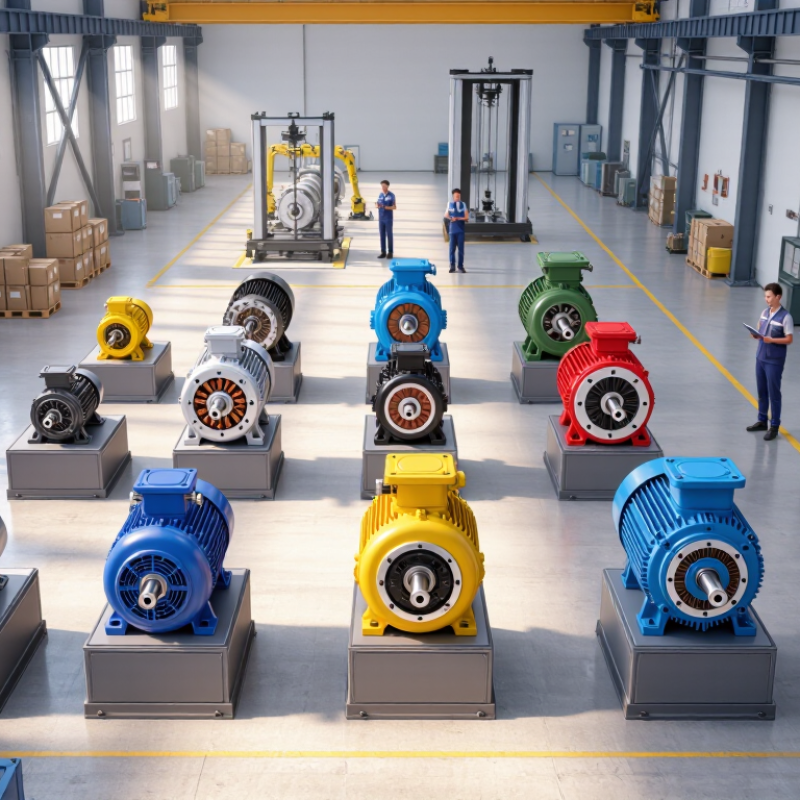
What Defines an Electric Motor Project Supplier in China?
In China, an electric motor project supplier does more than quote a motor model. It helps translate operating needs into a workable specification: power, speed, voltage, duty cycle, mounting, and the environment around the machine. A motor for a dusty workshop may need different protection from one used beside a washdown line. Small details matter.
The supplier should be able to explain how design choices affect heat, noise, efficiency, and service life. Ask for relevant test records, drawings, material details, and a clear plan for sample approval. A credible project partner can also coordinate related components, production schedules, packaging, and technical documents. A polished catalog is not proof. Ask how a change in shaft size or delivery quantity would be handled.
Project support continues after shipment. Installation guidance, troubleshooting, spare-part planning, and responsive communication can prevent delays when a motor does not fit the real site conditions. Factory visits or video inspections may help verify equipment and process controls, though neither tells the whole story. Still, buyers sometimes focus too much on price. That is easy to regret. Compare the supplier’s answers against actual operating requirements, and record open questions before approving a design.
How Suppliers Support Electric Motor Projects
Electric motor project suppliers support more than procurement. They help translate operating conditions into a workable specification: load, duty cycle, starting method, voltage, enclosure, and installation space. On a factory floor, a few millimetres of shaft mismatch can delay commissioning. So can a drive that does not suit the motor’s insulation or control requirements. Practical support includes reviewing drawings, coordinating tests, supplying documentation, and advising on spare parts.
The International Energy Agency’s 2011 report, Energy-Efficiency Policy Opportunities for Electric Motor-Driven Systems, estimated that motor-driven systems use about 45% of global electricity. The U.S. Department of Energy’s 2014 sourcebook, Improving Motor and Drive System Performance, reports that motor systems account for roughly 68% of electricity use in U.S. manufacturing. These figures explain why suppliers should discuss efficiency over the project’s operating life, not only purchase price. They can compare suitable efficiency classes and check whether variable-speed control fits the actual load. Small details matter.
Good project support also means clear limits. A supplier can provide test records and commissioning guidance, but site conditions still affect performance. I have seen specifications that looked complete yet omitted ambient temperature or maintenance access. That gap is easy to miss. Buyers should request written assumptions, response times, and a named technical contact before production begins.
