China Top 10 Skylight Window Manufacturers for Global Buyers
Choosing a Skylight Window supplier in China involves more than comparing prices or browsing product photos. Global buyers need to understand how manufacturers handle design, production, quality checks, and export support. A roof opening may face heavy rain, strong sun, wind, or wide temperature changes. These conditions affect glass selection, frame materials, seals, and drainage details. Details matter.
This guide introduces ten Chinese manufacturers for buyers researching residential, commercial, and industrial projects. It considers practical factors such as product range, customization options, documented quality processes, communication, and experience serving overseas markets. These factors can help create a useful shortlist, but they do not replace direct due diligence. No two roofs match. Buyers should confirm dimensions, glazing specifications, installation requirements, warranty terms, and applicable local building standards with each supplier before placing an order.
Product pages can show attractive finishes, yet they rarely answer every project question. Ask for current technical drawings, test documentation where relevant, clear lead times, and written details about packaging and after-sales support. If possible, review samples or inspect production arrangements through a qualified third party. Capabilities can change, and a strong catalog does not guarantee a smooth installation. That takes care. This overview is a starting point, not a final verdict on any company. Careful comparison—and a willingness to revisit assumptions—can help global buyers identify a manufacturer whose products and service fit their project.
Skylight Fundamentals: Fixed, Vented, and Tubular Designs and Their Components
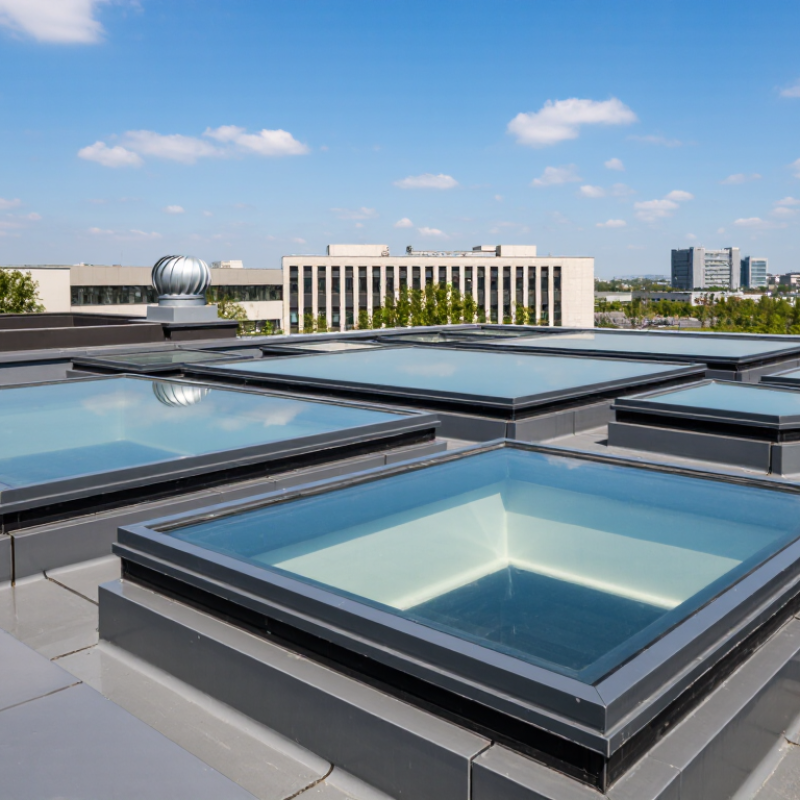
Skylight design starts with a simple question: should the opening bring in light, fresh air, or both? Fixed skylights admit daylight but do not open. Their insulated glass, frame, seals, and flashing must work together to limit heat loss and prevent leaks. For example, a low roof curb needs carefully fitted flashing where it meets shingles or membrane. A small gap matters. No airflow here.
Vented skylights open manually or with a motor, helping release warm, humid air from kitchens and upper floors. Hinges, operators, weather seals, and rain sensors are common components. Sensors can close the unit automatically, but they do not replace routine checks for debris or worn seals. Tubular skylights use a small roof dome, a reflective tube, and a ceiling diffuser to carry daylight into compact spaces such as hallways. They usually need less roof area than conventional units, though bends in the tube can reduce light output. Small details count. Roof pitch, room depth, glazing type, and local weather all affect performance. Comparing only the visible glass area can be misleading; installers should also assess drainage paths, interior clearance, and access for maintenance. One trade-off is easy to miss: a vented model may improve comfort, yet add moving parts that need occasional attention.
Performance Metrics: NFRC U-Factor, SHGC (0–1), and Visible Transmittance (0–1)
A skylight spec sheet can look simple, but three numbers shape comfort and daylight.
NFRC U-factor measures heat flow through the rated assembly; lower values generally mean better insulation. Compare products with the same rating scope and units. Confirm units. A value in Btu/(h·ft²·°F) cannot be compared directly with one in W/(m²·K). Check whether the rating matches the size and glazing configuration you plan to buy.
SHGC ranges from 0 to 1 and indicates how much solar heat enters through the skylight. A higher value may help warm a room in a cold climate, but can increase summer overheating beneath a sun-facing roof.
Visible transmittance, or VT, also ranges from 0 to 1; higher values usually mean more visible daylight passes through.
Numbers need context. Roof direction, shading, and interior finishes all affect what occupants actually experience. I would not select a skylight from one metric alone. Check the exact product data, then ask how the listed values relate to your roof design. Installation gaps or poor flashing can undermine performance, even when the rated figures look strong.
China’s Top 10 Skylight Manufacturers: Compare Products, Certifications, and Export Reach
For global buyers comparing China’s top skylight manufacturers, a product sheet is only the starting point. Check glazing options, frame materials, opening mechanisms, and stated U-values. Ask for test reports covering air leakage, water penetration, and wind resistance. A roof window facing heavy rain needs different performance evidence from one installed in a mild climate. Details matter.
The UNEP and Global Alliance for Buildings and Construction’s 2023 Global Status Report states that buildings and construction accounted for 34% of global energy demand and 37% of energy- and process-related CO₂ emissions in 2022. That makes thermal performance worth checking, not just daylight output. Compare U-values and solar heat gain data under consistent test conditions. Look for traceable quality-management records, such as ISO 9001 certification, and confirm which product models and factories they cover. A certificate alone proves little.
Export reach also needs evidence. Request destination-specific documentation, packing specifications, installation instructions, and examples of completed shipments. Ask how glass units are protected against edge damage, and whether replacement parts remain available. A polished catalogue is not proof of reliable delivery. I would still want independent test results and references from projects in similar climates; supplier claims can be hard to compare when test methods differ.
China’s Top 10 Skylight Manufacturers: Product Comparison for Global Buyers
Glazing configurations are compared by pane count. This is a product-category reference, not a company ranking or a count of certifications or export destinations.
Single, double, and triple glazing contain one, two, and three panes respectively. Coatings, gas fills, frame materials, certification requirements, and export availability vary by product and market.
Global Buyer Checks: Test Reports, Minimum Order Quantities, Lead Times, and Warranties
For global buyers, a skylight quote is only useful when its evidence matches the exact product offered. Request test reports for the specified frame, glazing, size, and opening style. Check the report date, tested configuration, laboratory details, and measured results, such as air leakage or water resistance. A report for a similar unit may not prove that your chosen model performs the same way. Small differences matter. Ask which project requirements the results address, and have technical claims confirmed in writing.
Confirm the minimum order quantity for each size and finish, not just the total shipment. Some factories set higher minimums for custom colors or hardware. Request a production schedule with separate dates for drawing approval, manufacturing, inspection, and dispatch. “Four weeks” can mean different things. Clarify when the clock starts and what could delay it. For the warranty, check its duration, covered components, exclusions, and claim process. Ask who pays for replacement parts and freight. A comparison spreadsheet helps, but it can make uncertain promises look precise; record assumptions and request updates before paying a deposit.
