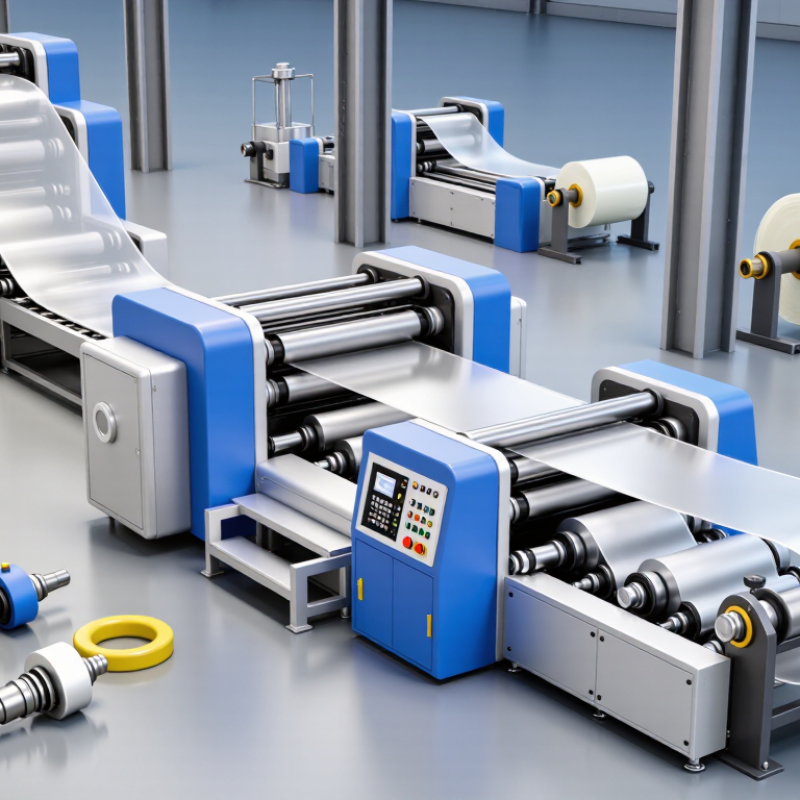
Comparing China’s ten leading blown-film machine manufacturers by layer count reveals different engineering priorities, not a simple ranking. Three-layer lines typically suit standard packaging films, with a central layer for recycled or lower-cost material and outer layers for sealing and printability. Five-layer designs allow more precise placement of barrier and tie layers. Seven-layer lines add flexibility, but demand tighter control of feed rates, temperature, and layer thickness. More layers do not automatically mean better film.
The OECD’s Global Plastics Outlook (2022) estimates that global plastics use reached 460 million tonnes in 2019; packaging represented about 31% of use. That demand helps explain interest in multilayer structures, but the report does not rank machine suppliers. A practical comparison should examine measured output, gauge variation across the web, layer-ratio stability, changeover time, and scrap during start-up. Ask for trial data using the intended resin recipe. A glossy sample roll is not enough.
On three-layer lines, compare stable output and simple operation. On five-layer lines, check whether barrier layers stay centered during speed changes. On seven-layer lines, inspect feed-block design, control response, and maintenance access; extra channels can mean extra adjustment points. That matters. Published specifications may use different test conditions, so headline kilograms per hour can mislead. I would also compare service response and operator training, details that are easy to overlook. A comparison table looks precise, but real production trials can still change the result.