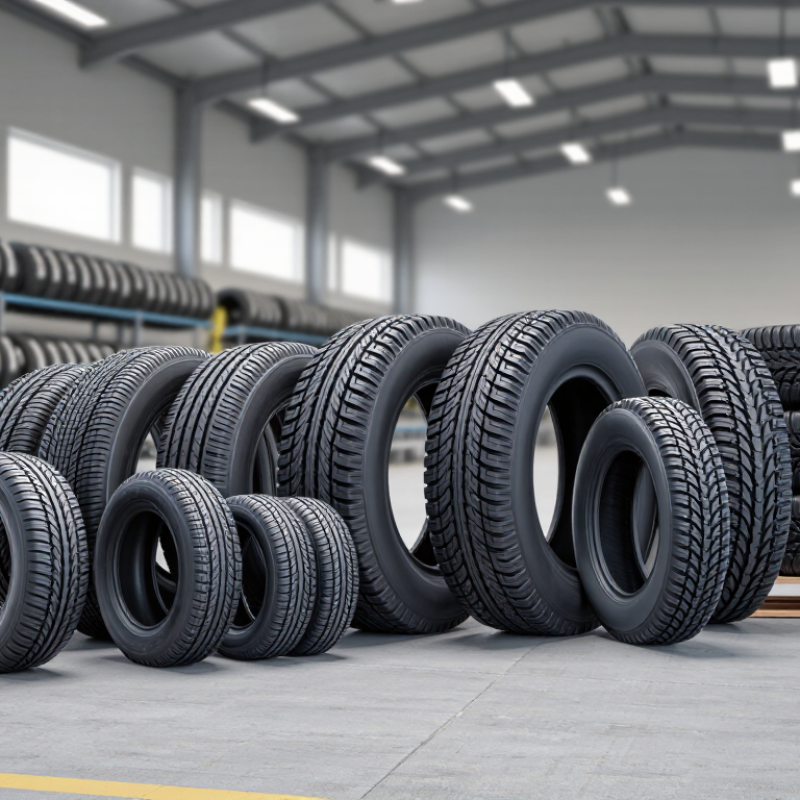
| Passenger-car tire manufacturers | Full-size replacement spares and compact temporary-use tires | Passenger-car sizes, load and speed ratings, tread design, and compatibility with the vehicle’s wheel and storage space | Request technical specifications and confirm the target-market requirements for tire markings, testing, and documentation. |
| Temporary spare tire specialists | Space-saver and T-type temporary-use tires | Compact dimensions, specified inflation pressure, permitted speed, and clearly stated temporary-use instructions | Check that the tire’s size and operating limitations match the vehicle-maker’s requirements; temporary spares are not interchangeable with full-size tires by default. |
| SUV and 4×4 tire manufacturers | Full-size spare tires for SUVs, crossovers, and off-road vehicles | Higher load capacity where required, suitable construction, and matching size or approved alternative specifications | Confirm fitment, wheel compatibility, and whether the intended use is primarily road, mixed-terrain, or off-road. |
| Light-truck tire manufacturers | Spare tires for pickups, vans, and light commercial vehicles | Correct load index, tire construction, dimensions, and service description for the vehicle | Buyers should verify vehicle-specific fitment and applicable commercial-vehicle requirements rather than relying on size alone. |
| Truck and bus tire manufacturers | Heavy-duty replacement spares for commercial vehicles | Load and speed ratings, casing construction, intended axle position, and operating conditions | Check the destination market’s relevant standards and ensure the tire specification suits the vehicle and axle application. |
| Radial tire producers | Radial spare tires for passenger, SUV, and commercial applications | Radial construction, correct dimensions, load rating, and product documentation | Radial construction is common across modern vehicle tires; confirm the required construction and specification for each vehicle application. |
| Bias-ply tire producers | Bias-ply spares for selected utility, trailer, agricultural, and specialty applications | Application-specific dimensions, load capacity, and compatibility with the vehicle or equipment | Confirm that bias-ply construction is approved for the intended application and is compatible with the other tires in service. |
| Run-flat tire suppliers | Run-flat replacement tires used in vehicle systems designed for run-flat operation | Approved size and specification, compatible vehicle equipment, and correct installation procedures | Run-flat tires require vehicle-system compatibility; buyers should confirm fitment and operating guidance with the vehicle or tire specification. |
| Private-label and contract manufacturers | Buyer-specified spare tires produced under a private label or contract arrangement | Agreed product specification, quality-control plan, packaging, traceability, and inspection terms | Assess production controls, sample consistency, factory documentation, and written responsibility for compliance and labeling. |
| Tire exporters and sourcing distributors | Mixed spare-tire assortments sourced from multiple manufacturers | Consolidated sizes, minimum order quantities, shipment planning, and document coordination | Verify the actual manufacturer, product origin, specifications, and shipping documents for each item in a mixed consignment. |