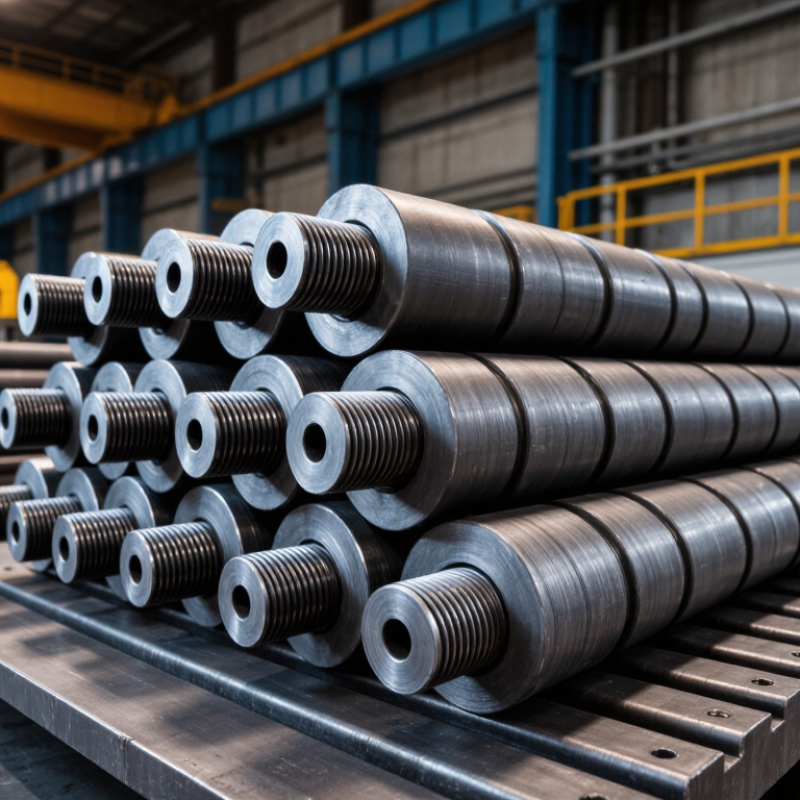
| Product and grade identification | Confirm that the quoted product is a 500 mm nominal-diameter ultra-high-power (UHP) graphite electrode, and that the quotation clearly identifies the electrode and nipple grades. | Technical data sheet, product drawing, quotation, and purchase specification. | Check that the grade, nominal diameter, connection system, and intended electric-arc-furnace application match across all documents. |
| Dimensions and tolerances | Verify the agreed diameter, length, end-face condition, machining details, and thread or socket dimensions. Tolerances should be stated for the actual order rather than assumed from the nominal size. | Dimensioned drawings, inspection records, and a sample measurement report. | Compare measurements with the approved drawing and purchase specification. Confirm how out-of-tolerance pieces are identified and handled. |
| Electrical resistivity | Electrical resistivity is a relevant quality property for graphite electrodes. The acceptable limit should be set in the buyer’s specification for the ordered grade. | Batch-specific test report showing the result, test method, sample identification, and testing laboratory. | Compare results with the agreed limit and review consistency across multiple production batches. ASTM C611 is a test method for electrical resistivity of manufactured carbon and graphite articles at room temperature. |
| Bulk density and mechanical strength | Review bulk density and the mechanical properties specified for the grade, such as flexural strength. These results should be assessed against agreed acceptance criteria, not an unverified industry-wide number. | Batch test reports with units, test methods, sample details, and acceptance limits. | Check that the reported methods are suitable for the property being tested. ASTM C559 covers bulk density by physical measurements; ASTM C651 covers flexural strength testing of manufactured carbon and graphite articles at room temperature. |
| Thermal properties | Where required by the application, assess the specified thermal-expansion property and its test conditions. | Technical data sheet and test report stating the measured property, temperature range, units, and method. | Compare data only when test conditions and methods are comparable; include the agreed limit in the purchase specification if it is a critical requirement. |
| Nipple and connection compatibility | Confirm that the electrode and nipple are designed as a compatible system, including connection dimensions, thread form, and applicable tolerances. | Connection drawing, machining inspection record, and assembly instructions. | Review drawing compatibility before ordering. Confirm the specified handling and tightening procedure and whether electrode and nipple grades are supplied as a matched set. |
| Batch traceability and quality control | Each delivered lot should be traceable to production and inspection records, with a clear way to identify individual pieces or bundles. | Lot or batch numbers, inspection records, packing list, and certificate of analysis or inspection certificate. | Check that the identifiers on the products and packaging correspond to the documents, and ask how nonconforming products are segregated and corrected. |
| Quality-management system | Assess whether documented procedures cover incoming materials, production controls, inspection, corrective actions, and record retention. | Current quality-management-system certificate, certificate scope, and audit or process-control documentation. | Verify certificate validity and scope with the issuing certification body. ISO 9001 certification can support a quality-system review but does not by itself prove that a particular electrode batch meets its specification. |
| Testing-laboratory reliability | Check who performed the tests and whether the laboratory is competent for the specific measurements reported. | Laboratory name, test report, method details, and relevant accreditation scope where available. | For critical tests, consider independent testing by a laboratory accredited to ISO/IEC 17025 for the relevant test method and measurement scope. |
| Production and delivery capability | Confirm that the supplier can meet the required quantity, delivery schedule, packaging, and shipping terms for the specified 500 mm product. | Production schedule, confirmed order quantity, packing plan, and written delivery terms. | Evaluate performance against agreed milestones and request evidence of past delivery performance that can be independently checked, without relying solely on promotional claims. |
| Packaging and transport protection | Graphite electrodes and machined connections need protection from impact, moisture exposure, and handling damage during storage and transport. | Packaging specification, loading plan, product-protection details, and shipping photographs where available. | Agree on end protection, separation between pieces, handling instructions, and the process for documenting transport damage upon receipt. |
| Commercial and after-sales reliability | Review warranty terms, complaint handling, replacement arrangements, and responsibility for products that fail to meet the agreed specification. | Written warranty, claims procedure, response-time commitment, and contract terms. | Ensure remedies, inspection responsibilities, and claim deadlines are defined in the contract before production begins. |