How to Choose the Best Laser Cutter Welder for Your Needs?
Choosing the best Laser Cutter Welder is crucial for various industries. According to a recent report by Research and Markets, the global laser cutting market is expected to reach $8.3 billion by 2027. This highlights the growing demand for precision and efficiency in manufacturing processes. Industry expert Dr. John Miller states, “Investing in the right Laser Cutter Welder can enhance productivity and reduce operational costs.”
When selecting a Laser Cutter Welder, consider the specific materials you'll be working with. Different models cater to various materials like metal, wood, or plastic. The machine's power, cut quality, and software capabilities are vital factors. A reliable machine should offer versatile functions that can adapt to evolving project needs. However, many users report struggles with training and maintenance.
Selecting the appropriate Laser Cutter Welder involves careful consideration of your unique requirements. Mistakes in this decision can lead to wasted resources and frustration. Not all machines are created equal, and understanding the specifications is essential. The right choice can enhance both craftsmanship and efficiency in production.
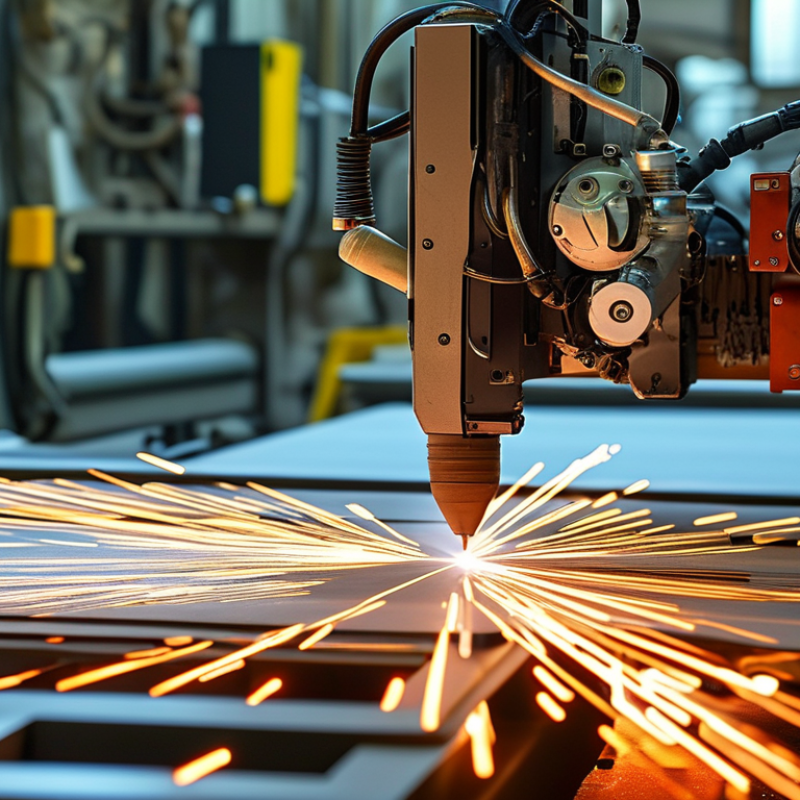
Key Factors to Consider When Choosing a Laser Cutter Welder
Choosing the right laser cutter welder requires careful consideration of several key factors. Your specific needs dictate the type of machine that will work best for you. Think about the materials you will use. Different materials require different power settings and cutting speeds. For example, thicker materials need more power. Additionally, consider the size of the machine. Space constraints can limit your options, so make sure to measure your workspace.
Tips: Always think about the machine's versatility. A multi-functional laser cutter welder can save you money in the long run. Also, check the user interface. An intuitive design makes operation smoother, especially for beginners.
Another important factor is the maintenance requirements. Some machines need regular parts replacement or intensive cleaning. This can be time-consuming and costly. Consider how much time you can dedicate to upkeep. Customer reviews can offer insight into reliability. Look for feedback on performance and support. It's crucial to assess these aspects before making a decision. Remember, the best choice isn’t always the one with the most features. Look for what fits your practical requirements best.
Comparative Analysis of Laser Cutter Welder Types and Their Applications
When selecting a laser cutter welder, understanding the types available is crucial. Each type serves different applications. For example, industrial laser welders are designed for heavy-duty tasks, while smaller models may suit hobbyists. The technology used in these machines, such as CO2 versus fiber lasers, also plays a significant role in their effectiveness.
In practical scenarios, accuracy and material compatibility matter. If you plan to cut metals, a fiber laser is more efficient. For non-metals like wood or acrylic, CO2 laser cutters excel. Choosing the right machine can see improved outcomes.
Tips: Assess your specific needs before purchasing. Consider the materials you will work with and your project's scale. Do not overlook the importance of user manuals and support for your chosen model. Investing in a machine that suits your capabilities can save time and frustration.
Understanding Laser Power Ratings: What You Need to Know
When choosing a laser cutter welder, understanding laser power ratings is essential. Laser power is often measured in watts. Higher wattages typically allow for faster cutting and welding. According to industry reports, a machine with a 1500W laser can cut through 6mm steel efficiently. However, the optimal power rating depends on your material type and thickness.
Many users underestimate the importance of selecting the right wattage. For example, a machine with 30W may suffice for simple engraving but will struggle with thicker materials. It’s vital to align the power rating with your specific applications.
**Tips:** Always review customer testimonials. They provide insights into real-world performance. Device versatility is crucial. A lower wattage cutter can be advantageous for projects requiring precision. Lastly, consider future projects. Investing in a higher-power machine can save costs over time when material demands increase. Understanding these factors will guide you in making informed decisions.
How to Choose the Best Laser Cutter Welder for Your Needs? - Understanding Laser Power Ratings: What You Need to Know
| Laser Type | Power Rating (W) | Material Suitability | Max Cutting Thickness (mm) | Speed (mm/s) |
| CO2 Laser | 40 - 150 | Wood, Acrylic, Fabric | 20 | 200 |
| Fiber Laser | 20 - 1000 | Metal, Alloy | 8 | 1000 |
| Diode Laser | 5 - 20 | Plastic, Wood | 5 | 50 |
| UV Laser | 3 - 30 | Glass, Ceramics | 3 | 300 |
| CO2 Hybrid Laser | 100 - 300 | Wood, Acrylic, Metal | 15 | 400 |
Selecting the Right Materials: Compatibility with Laser Cutters
When selecting materials for laser cutting and welding, compatibility is key. Common choices include wood, acrylic, and metals. Each material reacts differently under laser exposure. Wood can produce excellent cuts but may char if settings are not right. Acrylic offers clean edges but can melt if overly heated. Metals like stainless steel require specific settings for effective results.
Understanding your material properties is vital. Thickness affects cutting speed and quality. Thin materials are easier to cut but may warp. Thick materials need more power and time. Testing on scrap pieces can help refine techniques before working on final projects.
It's easy to overlook these details. New users may assume any material will work without adjustments. This lack of understanding can lead to poor outcomes. Observing how each material behaves during testing is crucial. Reflecting on past projects can inspire improvements for future work. Knowledge grows through experience, and being open to learning will enhance your skills.
Material Compatibility with Laser Cutters
Cost-Benefit Analysis: Investing in a Laser Cutter Welder for Your Projects
When considering investing in a laser cutter welder, analyzing the cost-benefit ratio is crucial. These machines can significantly enhance your project quality and efficiency. However, the initial investment is higher than other tools. Evaluating potential returns on investment helps in decision-making. For example, a well-chosen laser cutter can save time and labor costs.
Tips for buyers: Assess your project needs. If you mainly work with small materials, a compact model may suffice. Larger projects may require a more powerful unit. Always research maintenance costs, as they can add up. Look for community reviews to gauge reliability.
Keep in mind that not every project requires advanced technology. Simplistic approaches can also yield great results. Frequently reflect on your needs and adjust your equipment choices. A clear understanding of your workflow can lead to more informed decisions. Balancing budget constraints with the right tools is essential for success.