How to Choose the Best Rubber Foam Sheet for Your Needs?
When selecting the best Rubber Foam Sheet, it is crucial to consider various factors that impact quality and performance. According to a recent industry report by Global Market Insights, the global rubber foam market is expected to reach $12 billion by 2025, highlighting its growing importance in various applications. Experts like Dr. Emma Chen, a leading materials engineer, state, "Choosing the right rubber foam can significantly enhance product longevity and efficiency."
The right choice in Rubber Foam Sheets can lead to better insulation, soundproofing, and comfort in applications ranging from automotive to construction. However, many users often overlook critical specifications such as density and thermal resistance. This oversight can result in suboptimal performance. Industry professionals emphasize the need for a thorough evaluation of properties and intended use.
Understanding your specific needs is vital. Consider the environment where the rubber foam will be applied. This impacts durability and thermal insulation. While many options exist, clarity and knowledge will guide users to make an informed decision. Ultimately, the choice of Rubber Foam Sheet not only affects the product’s success but also shapes user experiences in everyday applications.
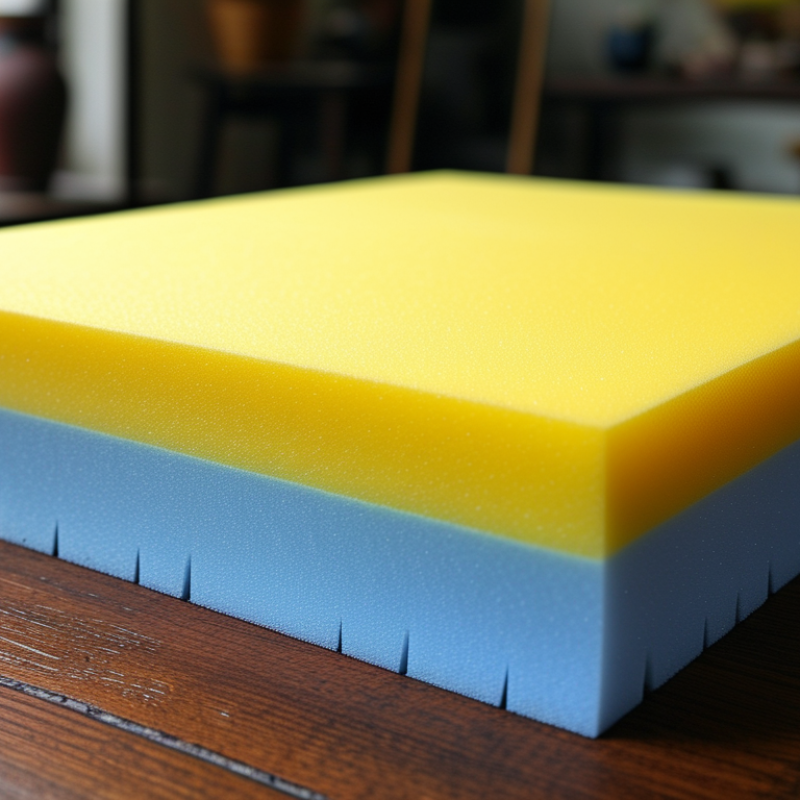
Understanding Rubber Foam Sheets and Their Applications
Rubber foam sheets are versatile materials with various applications. They are popular in industries like automotive, construction, and sound insulation. Made from closed-cell or open-cell rubber, these sheets offer durability and shock absorption. Closed-cell rubber foam is water-resistant and resistant to bacteria, making it ideal for outdoor applications. Open-cell foam provides better air circulation, which can be beneficial in furniture and mattress manufacturing.
Selecting the right rubber foam sheet can be challenging. Different projects require specific properties, such as density and thickness. For instance, higher density foam is excellent for heavy-duty uses, while lighter options are suitable for protective packaging. It's essential to consider the environment of use. An outdoor setting may require more resistant materials than indoor applications. Not all foams are equal, and misjudging requirements can lead to dissatisfaction.
Manufacturers often provide technical specifications, yet it's wise to ask questions. Gauge the experience of your supplier. Have they worked with similar projects? Are they knowledgeable about material properties? Such inquiries ensure you are making an informed decision. The learning curve can be steep, and not all applications are straightforward. Observation and experience play crucial roles in selecting the right foam sheet for your needs.
Identifying Your Specific Needs for Rubber Foam Sheets
When selecting rubber foam sheets, understanding your specific needs is crucial. These materials serve various purposes, from insulation to cushioning. Industry data suggests that over 40% of users prioritize thermal resistance in their applications. If this is essential for your project, consider the thermal conductivity ratings. Look for materials with lower conductivity for better insulation.
Compression set is another critical factor to assess. Research indicates that a sheet with a compression set below 25% retains its shape better, extending its lifespan. This is especially vital in high-traffic areas or in dynamic applications. Evaluate the environment where the foam will be used. High humidity or temperature fluctuations could affect performance.
Additionally, consider noise reduction properties. Studies show that certain rubber foams can reduce sound transmission by up to 30%. This feature is valuable in residential and industrial settings alike. Assess your goals clearly. Identifying these requirements early can prevent costly mistakes later.
Evaluating Different Types of Rubber Foam Materials
When evaluating different types of rubber foam materials, it's essential to consider their unique properties. Each type offers distinct advantages, depending on your specific needs. For example, closed-cell foam is known for its excellent moisture resistance. This makes it ideal for applications in humid environments. Open-cell foam, on the other hand, is more breathable but less durable in wet conditions. Understanding these characteristics can help guide your choice.
Durability is another factor worth examining. Some rubber foams are designed for heavy-duty use, while others may be more suitable for light applications. The thickness of the foam can also greatly influence its performance. Thicker materials provide better insulation and cushioning but may be overkill for simpler projects. Yet, the effectiveness of each type can vary based on how it is used.
Another important aspect is the foam's density. Higher density foams usually offer more support and longer life. However, they are often more expensive and can be harder to work with. Balancing cost and functionality is crucial. Keep in mind that there is no one-size-fits-all solution. Consider your particular requirements and the environment where the foam will be used. This reflection will lead you to a better final selection.
How to Choose the Best Rubber Foam Sheet for Your Needs? - Evaluating Different Types of Rubber Foam Materials
| Type of Rubber Foam | Density (kg/m³) | Thickness (mm) | Temperature Resistance (°C) | Applications |
| EVA Foam | 30 - 120 | 3 - 25 | -40 to 90 | Footwear, Mats, Padding |
| Neoprene Foam | 60 - 80 | 5 - 20 | -30 to 100 | Insulation, Gaskets, Seals |
| Polyurethane Foam | 20 - 50 | 10 - 30 | -20 to 100 | Soundproofing, Cushions, Packaging |
| SBR Foam | 50 - 150 | 10 - 50 | -30 to 90 | General Purpose, Sports Equipment |
Comparing Thickness and Density for Optimal Performance
When selecting a rubber foam sheet, thickness and density play crucial roles in performance. Thicker sheets generally offer better insulation and cushioning. They absorb shocks well and provide comfort underfoot. However, excessive thickness can lead to difficulties in handling and installation. Finding a balance is vital.
Density is another essential factor. High-density rubber foam sheets provide superior durability, ideal for heavy-duty applications. They resist wear and tear over time. On the flip side, low-density options are lightweight and flexible, suitable for projects requiring easy manipulation. This trade-off between durability and flexibility should be considered carefully.
Reflecting on your specific needs can reveal which attribute is more important. Will your application require frequent movement? Or will it face heavy stress? These questions can guide your decision. Ultimately, understanding the nuances of thickness and density can lead to informed choices, enhancing overall satisfaction with your selected material.
Cost Considerations and Where to Purchase Rubber Foam Sheets
When considering rubber foam sheets, cost is a crucial factor. Prices can vary significantly based on thickness, density, and specific applications. According to industry reports, high-density rubber foam sheets can cost between $3 to $8 per square foot. For large projects, bulk purchasing can lead to savings. However, it’s essential to balance cost with quality, as cheaper options may compromise performance and durability.
To purchase rubber foam sheets, several avenues exist. Local hardware stores often carry basic options. However, online marketplaces tend to provide a wider selection. Websites specializing in foam products typically offer detailed specifications. It's essential to read reviews and verify seller credibility. According to a survey by Foam and Adhesive Magazine, 80% of customers prefer online shopping due to convenience and variety. Nevertheless, some shoppers express concern over shipping costs and material quality. Meeting these challenges requires thorough research to ensure that selections align with project needs.