How to Choose the Right Filling Machine for Your Business Needs
Choosing the right filling machine for your business is a critical decision that can significantly impact your production efficiency and product quality. According to the 2022 Filling Machine Market Analysis Report by Technavio, the global filling machine market is projected to grow by 6.3% from 2022 to 2026, highlighting the increasing demand for automated solutions in various industries, including food and beverage, pharmaceuticals, and cosmetics. This growth underscores the need for businesses to explore suitable filling machine options that align with their specific operational requirements.
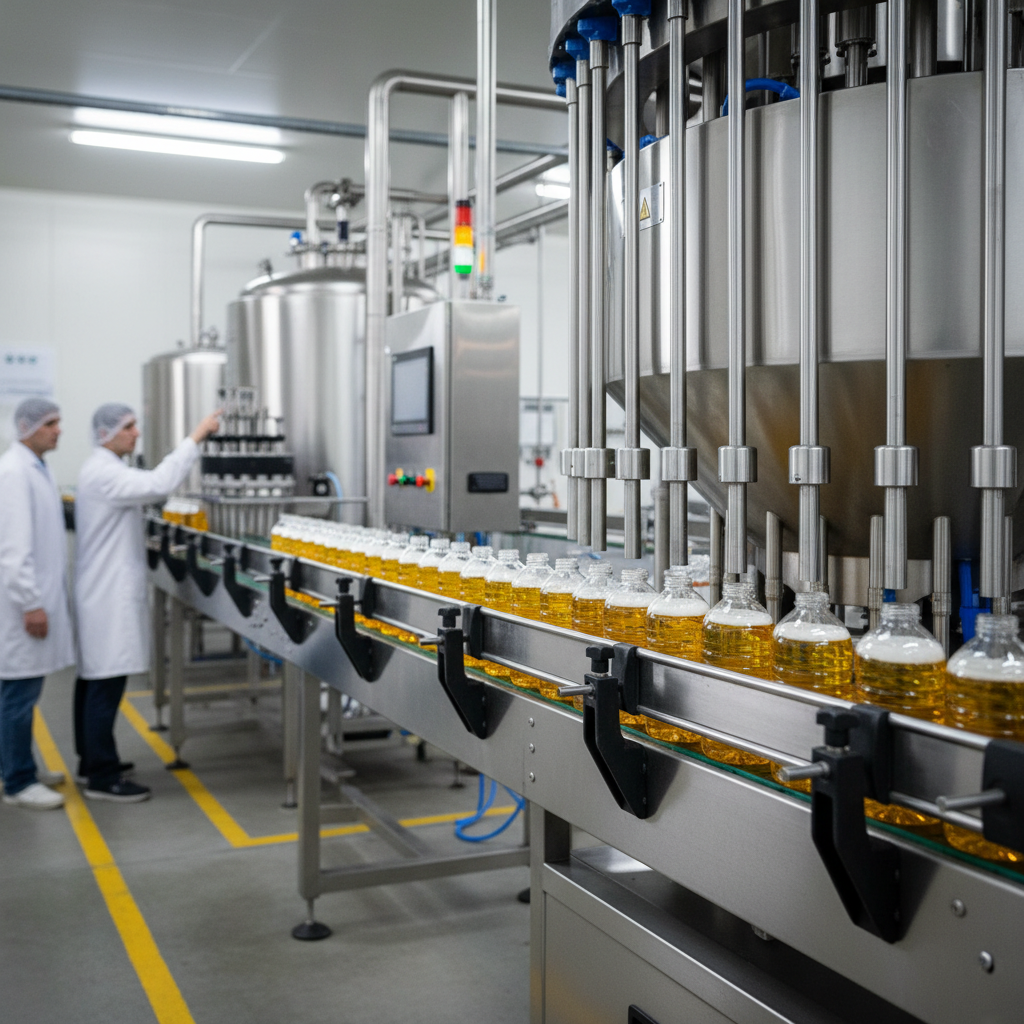 Expert insights further emphasize the importance of making informed choices when selecting a filling machine. Richard Smith, a leading industry expert and the author of the "Filling Solutions Handbook," states, "Investing in the right filling machine is not just about the upfront cost; it's about long-term efficiency and meeting market demands." With a plethora of filling machines available, businesses must carefully assess factors such as production volume, product viscosity, packaging type, and automation level to ensure they invest in a solution that enhances productivity while maintaining product integrity.
As businesses navigate this essential decision-making process, it is crucial to stay abreast of industry trends and technological advancements in filling machinery. By understanding market dynamics and consulting industry experts, companies can strategically position themselves for success in an increasingly competitive landscape.
Understanding Different Types of Filling Machines and Their Applications
When selecting a filling machine for your business, it's essential to understand the various types available and their specific applications. Common filling machine types include volumetric, gravimetric, and piston fillers. Volumetric fillers measure and dispense products based on their volume, making them ideal for liquids such as juices or oils. Gravimetric fillers, on the other hand, weigh the product before dispensing, which is better suited for dry or semi-solid materials like powders and granules. Finally, piston fillers utilize a piston mechanism to dispense a fixed volume of product, ensuring precision, especially for thicker substances.
Tips: Always consider the nature of the product you’re filling. For example, if you handle viscous liquids, a piston filler might be the best option due to its ability to manage thicker materials. Additionally, assess your production speed requirements; volumetric fillers are typically faster but might not provide the level of accuracy needed for all products. Lastly, think about ease of cleaning and maintenance, as some machines are designed for quick disassembly, which can save time during product changes or cleaning cycles.
Key Factors to Consider When Selecting a Filling Machine for Your Business
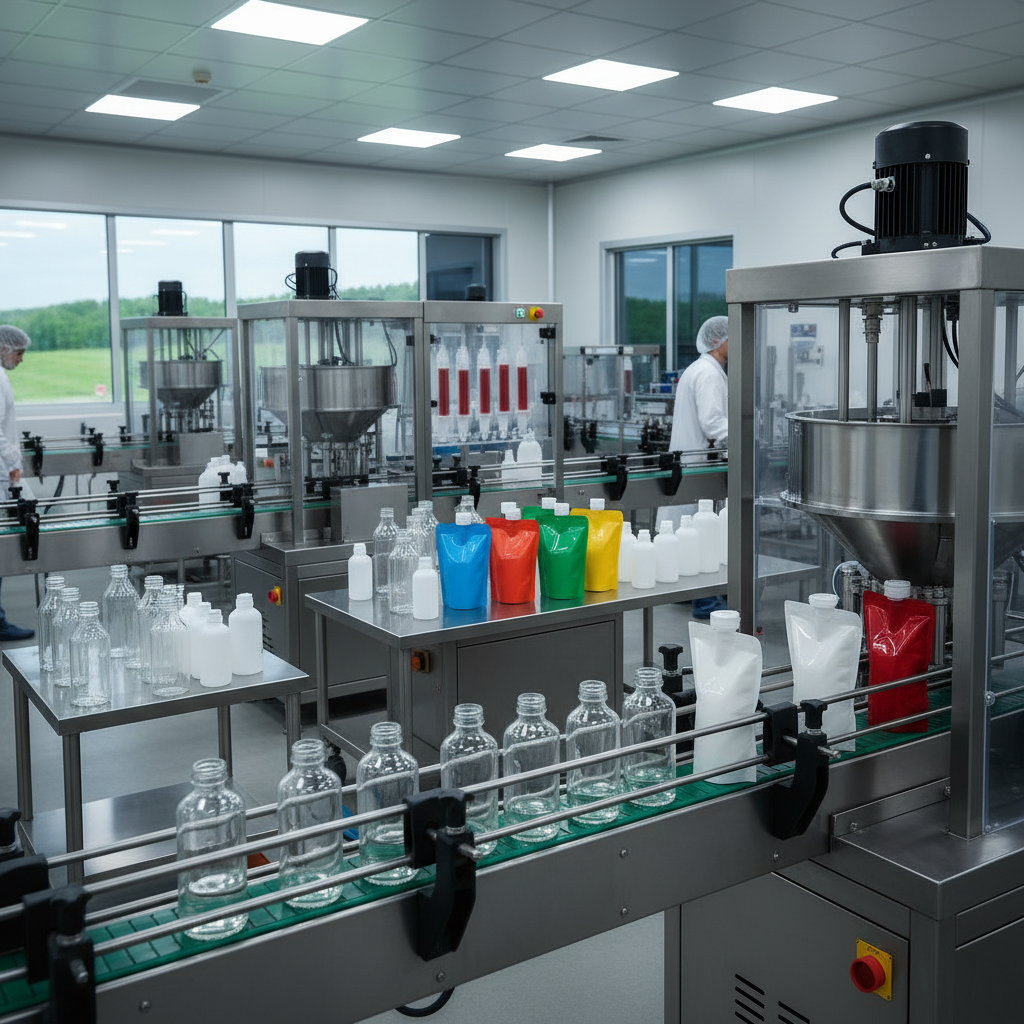
When selecting a filling machine for your business, several key factors should guide your decision-making process. First, it’s essential to evaluate the type of products you intend to fill. Different machines cater to various product viscosities, from thin liquids to thick pastes. This assessment will determine whether you require a gravity fill, pressure fill, or vacuum fill machine. Additionally, consider the container type—bottles, pouches, or syringes—as this will influence the design and functionality of the filling equipment.
Another critical factor is the production capacity. Analyze your current and projected production needs to ensure the machine can handle your desired output without bottlenecks. Efficiency and speed not only affect your overall productivity but also impact your operational costs. It’s also wise to consider the machine’s ease of operation, maintenance requirements, and the availability of support services. These considerations will ensure that you choose a filling machine that not only meets your immediate needs but also adapts to future growth and changes in your product line.
Evaluating Production Volume and Speed Requirements for Your Filling Needs
When selecting a filling machine for your business, evaluating your production volume and speed requirements is crucial. Understanding the scale of your operations will help you determine the type and capacity of the machine you need. If you’re producing high volumes of products, such as in a bottling plant, a high-speed filling machine that can handle thousands of units per hour will be essential. This not only maximizes efficiency but also minimizes labor costs and reduces the likelihood of production bottlenecks.
On the other hand, if your business operates on a smaller scale or produces specialty products, a simpler filling machine with adjustable speeds might suffice. For low to medium volumes, consider machines that offer flexibility and can easily switch between different products or container sizes without extensive downtime. Additionally, assessing your growth projections can influence your choice; investing in a machine that can scale with your business may save you from costly upgrades in the future.
Balancing speed and flexibility with your specific production needs will lead to more effective operations and better overall productivity.
Assessing Budget Constraints and Cost-Effectiveness of Filling Equipment
When selecting a filling machine for your business, assessing budget constraints and ensuring cost-effectiveness are crucial steps. According to a report by Grand View Research, the global filling equipment market is expected to reach $7.34 billion by 2025, with a compound annual growth rate (CAGR) of 4.3%. This demonstrates a growing trend towards automation and efficiency that can ultimately influence your budget. Investing in high-quality machines may have a higher initial cost, but they often offer long-term savings through reduced maintenance and operational costs.
Tip: It's essential to calculate the total cost of ownership (TCO), which includes not only the purchase price but also the costs related to installation, training, maintenance, and downtime. For instance, companies like KHS Group emphasize that efficient filling solutions can reduce product waste by as much as 30%, which can drastically enhance your return on investment.
Furthermore, consider machine versatility and adaptability to future needs. A report by MarketsandMarkets highlights that companies focusing on flexible, multi-capacity machines can save up to 20% on operational costs. Thus, choosing a filling machine not only involves a keen eye on immediate expenses but also an understanding of long-term impacts on your budget and overall operational efficiency.
Comparative Analysis of Filling Machine Costs
This bar chart illustrates the average costs of different types of filling machines, helping businesses assess budget constraints and cost-effectiveness in their selection process.
The Importance of Material Compatibility in Choosing a Filling Machine
When selecting a filling machine for your business needs, material compatibility plays a crucial role in ensuring optimal performance and safety. For instance, when packed products like parenteral drugs are involved, the choice of primary packaging materials, such as glass or polymers, can significantly impact the stability and efficacy of the drug. Each material has its own set of properties that can influence interactions with the drug substance, which is vital for maintaining product integrity throughout its shelf life.
Additionally, the compatibility of materials extends beyond just packaging. In sectors like food and pharmaceuticals, understanding how different materials interact under various conditions—such as heat sealing mechanisms and sterilization processes—is fundamental. For instance, achieving seal integrity in flexible food packages or selecting appropriate sterilization strategies for biologic drugs requires a deep understanding of material properties and their interactions during production. Therefore, thorough consideration of material compatibility not only ensures compliance but also enhances the performance and reliability of the filling machine in your production line.