How to Choose the Best Aluminum Sliding Door Profile for Your Project?
Choosing the right Aluminum Sliding Door Profile is essential for any construction project. Industry expert John Richardson, a leading architect, emphasizes, "The right profile can transform a space and enhance functionality." This highlights the importance of making an informed decision.
When selecting an Aluminum Sliding Door Profile, consider both aesthetics and performance. The right profile should not only align with your design vision but also meet practical requirements like durability and security. Details like the thickness of the aluminum, insulation properties, and weather resistance can significantly impact your door's longevity.
However, the wide variety of profiles can be overwhelming. It's crucial to evaluate your specific needs. Reflecting on the project's scale, intended use, and budget can simplify your choice. Sometimes, the most popular option might not be the best fit. Taking the time to research and consult with experts can lead to more satisfactory results.
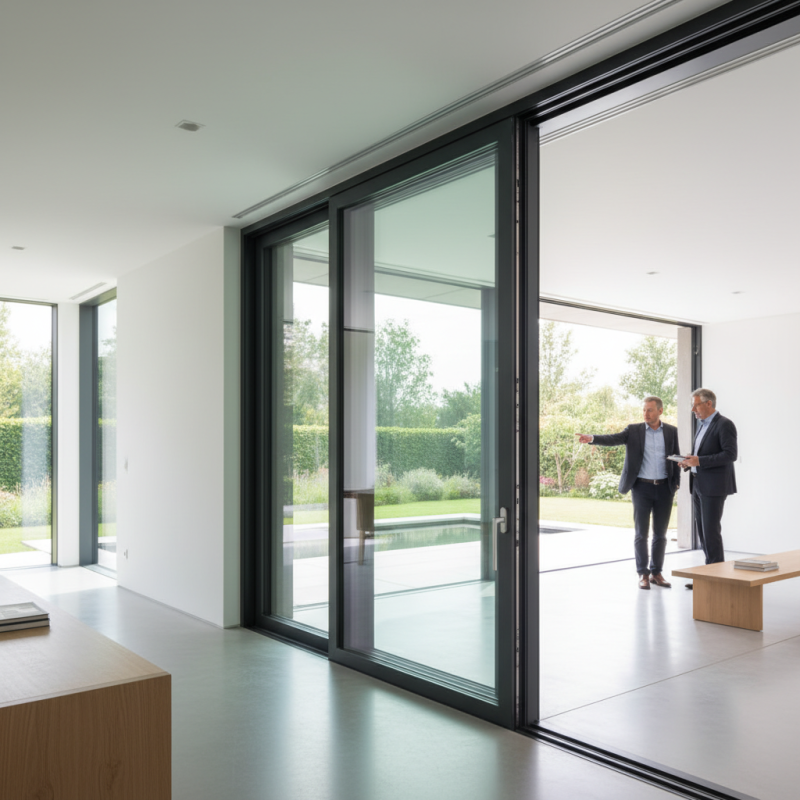
Factors to Consider When Choosing Aluminum Sliding Door Profiles
Selecting the right aluminum sliding door profile for your project involves several crucial factors. One key element is the thickness of the profile. A thicker frame may offer increased durability but can affect aesthetic appeal. Consider whether strength or design is more critical for your space.
Another significant factor is thermal efficiency. Profiles with better insulation can help maintain indoor temperatures. Look for features like multi-chamber designs. These may increase energy savings over time. A focus on energy performance can lead to long-term benefits in both comfort and utility costs.
Aesthetic value matters as well. The finish and color of the profile should complement your existing decor. You might find it tough to balance functionality with style. Explore different options while keeping your project's theme in mind. Sometimes, a unique design may require compromises on other features. A thoughtful approach will help navigate these choices effectively.
How to Choose the Best Aluminum Sliding Door Profile for Your Project?
| Factor | Description | Importance |
| Material Quality | Consider the thickness and corrosion resistance of the aluminum used. | High |
| Thermal Performance | Look for thermal break technology to improve insulation. | Medium |
| Aesthetics | Choose a profile that complements the architectural style of your building. | High |
| Ease of Installation | Profiles that are easy to install can save time and labor costs. | Medium |
| Security Features | Choose profiles with robust locking mechanisms for enhanced security. | High |
| Cost | Evaluate the overall cost including installation and long-term maintenance. | Medium |
| Durability | Assess the longevity and weather resistance of the profiles. | High |
| Customization Options | Check if the profiles can be customized to meet specific project needs. | Low |
Types of Aluminum Sliding Door Profiles Available on the Market
When selecting the right aluminum sliding door profile, understanding the types available is crucial. There are several profiles on the market, each designed for different functions and styles. Standard profiles are common, offering durability and efficiency. They typically feature a water drainage system to prevent leaks. A modern option is the thermal break profile, which improves insulation. This profile reduces energy costs significantly.
Another category includes the minimalist design profiles. These options create a sleek appearance. They focus on maximizing glass surface area, providing unobstructed views. However, the lighter construction can sometimes lead to less robustness. Consider how often the doors will be used, as this will affect your choice.
Alongside these, some profiles feature integrated screens. These are great for keeping insects out while allowing airflow. However, the screen's durability can vary. Look for options that provide easy maintenance. Researching the specific features and limitations of each profile can ensure you make an informed decision.
Evaluating Durability and Weather Resistance of Door Profiles
When selecting an aluminum sliding door profile, evaluate its durability and weather resistance. Aluminum has natural corrosion resistance, but not all profiles are created equal. A robust profile should feature a high-grade finish that withstands moisture and harsh weather conditions. Look for anodized options. This increases longevity significantly.
Moreover, consider the thermal and acoustic insulation properties of the profile. Poor insulation can lead to energy loss. Profiles should have insulation inserts to maintain temperature control. Pay attention to the design as well; some profiles may be aesthetically pleasing but lack structural integrity.
It's essential to balance form and function. If you choose a sleek design, ensure it does not compromise on strength. A well-engineered door profile can endure heavy usage, while poorly designed options might warp or crack over time. Investing in a high-quality profile is crucial for safety and performance. Examine specifications carefully and consult with experts when needed.
Cost-Effectiveness: Budgeting for Aluminum Sliding Doors
When budgeting for aluminum sliding doors, it's crucial to understand the cost-effectiveness of various profiles. According to a recent industry report, the average price range for aluminum sliding doors is between $300 and $1,500 per unit. Factors influencing cost include material quality, thermal performance, and customization options. Investing in higher-grade materials can yield better long-term savings, especially in energy efficiency.
The installation cost also plays a significant role. Reports indicate that labor costs can account for up to 25% of the total budget. Accurate measurement and planning can mitigate excess expenses. Homeowners often overlook this aspect. Skimping on professional installation may lead to issues down the line, such as air leaks or uneven opening. A good door profile can enhance aesthetics and functionality, but improper installation will negate these benefits.
Additionally, consider lifecycle costs. Many people focus solely on the initial purchase price. However, maintaining and operating the door will incur ongoing costs. For example, energy-efficient profiles may have a higher upfront cost, but they can lead to savings in energy bills over time. Research suggests that these savings can reach up to 20%. It's essential to weigh short-term expenses against long-term benefits to make a well-informed decision.
Cost-Effectiveness of Aluminum Sliding Doors
Aesthetic and Functional Features to Look for in Door Profiles
When selecting an aluminum sliding door profile, aesthetic and functional features are crucial. An appealing design enhances your space. Look for sleek lines that complement your overall decor. A smooth finish can elevate the visual appeal as well.
Colors matter, too. Opt for shades that harmonize with your interior or exterior.
Functionality is just as important. Ensure the door profile has robust insulation properties. This helps maintain temperature and improves energy efficiency. Examine the sealing mechanisms; they should prevent drafts effectively. Ease of operation matters. A well-designed sliding door glides smoothly, enhancing accessibility.
Don't overlook maintenance needs. Some finishes may require more care than others. Think about how often you can commit to upkeep. Consider the weight of the materials as well; heavier profiles may require sturdier tracks. By analyzing these details, you'll make a more informed choice.