How to Choose the Best Artificial Lift Technologies for Oil Production?
Choosing the right Artificial Lift Technologies is critical for efficient oil production. John Smith, an industry expert, emphasizes, "Selecting the right technology can make or break a project." The decision is not straightforward, as various factors influence it, including reservoir conditions and production goals.
In the world of oil extraction, the stakes are high. Each technology offers unique benefits and challenges. For instance, rod pumps are reliable but may struggle in extreme conditions. Conversely, gas lift systems excel in deep wells but require careful management. Understanding these nuances is essential for operators.
Many companies overlook certain details when selecting Artificial Lift Technologies. They may focus solely on costs, ignoring longer-term implications. This could lead to inefficiencies or increased operational risks. Reflecting on past choices can offer valuable insights. Each decision shapes the overall success of oil production systems.
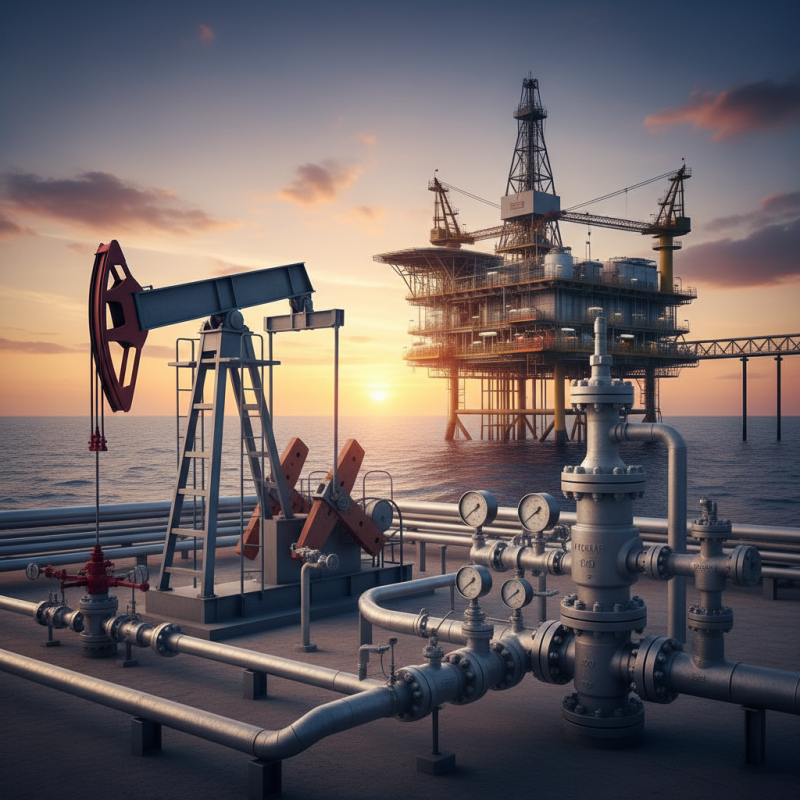
Understanding Artificial Lift Technologies in Oil Production
Artificial lift technologies play a crucial role in enhancing oil production. They help to increase the flow rate from wells that may not produce enough on their own. In fact, reports indicate that nearly 90% of the oil wells in the United States use some form of artificial lift. This highlights the importance of these technologies in maximizing output.
Common methods include gas lift, electric submersible pumps, and rod pumps. Each has its own advantages and drawbacks. For instance, electric submersible pumps are efficient, but they require significant upfront investment. According to a recent study, about 45% of operators reported issues with pump failures. These problems often lead to costly downtimes, stressing the need for proper maintenance.
Choosing the right technology involves evaluating well characteristics and production goals. Making the wrong choice can lead to underperformance. Not all technologies suit every situation. In some cases, operators have observed diminishing returns despite heavy investments. Balancing efficiency, cost, and reliability is a constant challenge in the field. Understanding these complexities is essential for optimizing production in a competitive landscape.
Factors to Consider When Selecting Artificial Lift Methods
Choosing the right artificial lift technology is crucial for effective oil recovery. Factors such as reservoir characteristics, fluid type, and production goals substantially influence this decision. According to a report by the Society of Petroleum Engineers, nearly 95% of oil wells require some form of artificial lift. Understanding these elements can lead to improved production rates.
Reservoir depth is a key consideration. For example, deeper wells may benefit from electric submersible pumps, while shallower wells may use rod pumps. The viscosity of the fluid should also guide selection. High-viscosity fluids may require specialized gas lift methods. Additionally, environmental and operational costs can significantly impact profitability. In fact, operational inefficiencies can lead to a 20% reduction in output.
It’s essential to conduct proper analysis before making a choice. Lacking suitable data can lead operators to choose suboptimal technologies. This mistake may result in increased downtime and reduced production. Ensuring that there’s a match between the selected technology and the well's conditions is critical for long-term success. A poorly chosen method can hinder both efficiency and economic recovery over time.
Types of Artificial Lift Technologies and Their Applications
Artificial lift technologies play a crucial role in oil production. They help extract oil from wells, particularly when natural pressure declines. Various artificial lift methods are available, and each serves different conditions and requirements.
One prevalent method is the use of rod pumps. They are effective in shallow wells where the oil can be easily lifted. These pumps convert rotary motion into linear motion. However, they require regular maintenance, which can be costly. Another option is the use of gas lift. This technique injects gas to reduce fluid density. It works well in wells with fluctuating pressure. Nonetheless, it demands careful monitoring to ensure optimal performance.
Electric submersible pumps (ESPs) also deserve attention. They are known for their efficiency in deep wells. ESPs can handle high volumes and work well with varying fluid types. Yet, they may experience issues like overheating. It's essential to choose the right technology based on well conditions and economic factors. Making the wrong choice can lead to reduced production and increased costs. Proper evaluation and flexibility can improve outcomes significantly.
Evaluating Economic Efficiency of Artificial Lift Solutions
Evaluating the economic efficiency of artificial lift solutions is crucial for oil production. In 2022, a study indicated that up to 60% of production wells use artificial lift methods. The choice of technology often impacts operational costs, production rates, and overall profitability. For instance, the operating cost of a rod pump can be around $1.20 per barrel, while gas lift might reach $2.00 per barrel.
However, these figures come with caveats. Not all wells benefit equally from every artificial lift type. For example, wells with high gas-to-oil ratios might struggle with rod pumps. Furthermore, the initial investment varies widely. Some lift systems require substantial upfront costs. These expenses can lead to slower returns on investment in certain conditions.
Factors like reservoir characteristics and net present value (NPV) are vital to consider. A lift technology that shows promise in lab settings might falter in real-world applications. On average, achieving a positive NPV can take anywhere from several months to years. This reality often forces operators to rethink their strategies. Understanding local geology and production potential remains key, yet data is sometimes scarce. Balancing costs and expected output is often a complex equation.
Monitoring and Optimization of Artificial Lift Performance
Monitoring artificial lift performance is crucial for optimizing oil production. Regular monitoring can reveal issues early. This helps prevent costly downtime. Sensors and performance metrics give insight into how the lift system operates. Daily checks can be beneficial to spot irregularities.
Tips: Always record performance data. This creates a history for analysis. Visualizing trends can help identify problems. Small changes in output can signal bigger issues.
Adjusting parameters can enhance efficiency. Be flexible with your approach. Sometimes what worked before may not be effective now. Experiment with different settings. Reflection is key: measure the impact of your changes. Avoid complacency in your routine checks. By staying aware, you can improve overall performance.