How to Choose the Best Horizontal Drilling Rig for Your Needs?
Choosing the right horizontal drilling rig is crucial for successful operations in the energy sector. According to the International Energy Agency, horizontal drilling has increased oil recovery by up to 70% in some fields, showcasing its importance. As industry expert Dr. Emily Thompson states, "Selecting the appropriate rig can significantly enhance productivity and reduce costs."
Modern horizontal drilling rigs come with various features. These include advanced control systems and robust drilling capabilities, allowing for better precision. However, not all rigs meet every project's needs. Mistakes in choosing can lead to inefficiencies and long-term financial strain. Factors like well depth, soil conditions, and project scale must be considered.
Relying on data and expert opinions can guide your decision. Various reports indicate that the market for horizontal drilling rigs is expected to grow by 5% annually until 2026. Nevertheless, it is essential to critically assess available options and avoid rushing into decisions. The right horizontal drilling rig can make a substantial difference in overall outcomes.
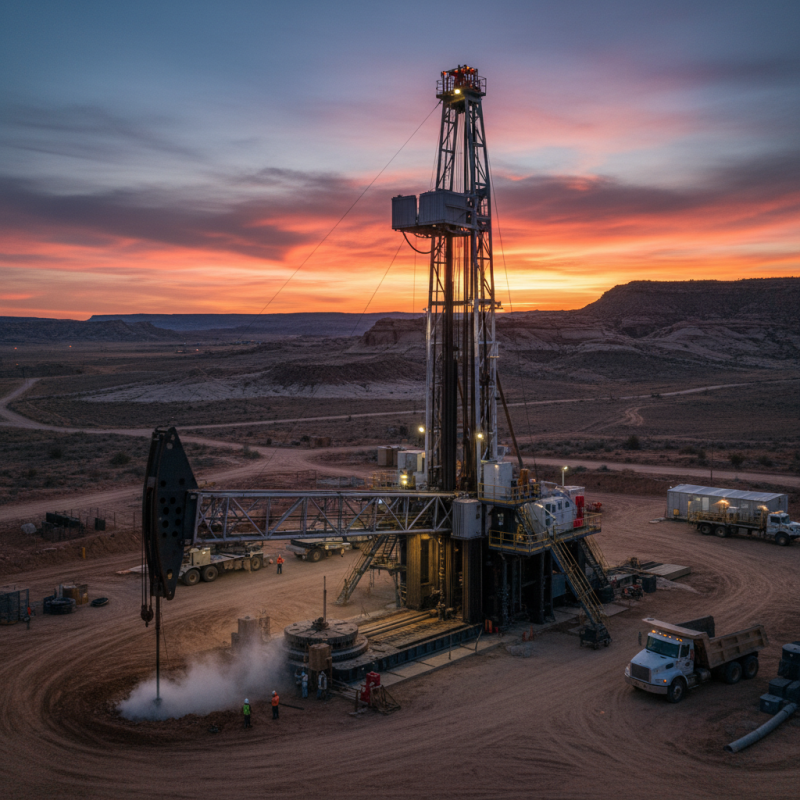
Factors to Consider When Choosing a Horizontal Drilling Rig
When selecting a horizontal drilling rig, multiple factors come into play. A key aspect is the rig's size and weight. The right dimensions influence transportability and ease of setup. Reports show that rigs exceeding 30 tons are typically harder to maneuver on tight job sites, causing potential delays. Smaller rigs, while easier to transport, may not handle deep drilling projects effectively.
Another important factor is the rig's power source. Hydraulic and electric rigs each have their advantages. Hydraulic rigs offer more torque and are often favored for complex projects. However, electric rigs provide cleaner energy options and reduced operational noise. According to recent industry studies, projects utilizing electric rigs saw a 15% reduction in operational costs over five years. This is a compelling reason for many companies to pivot to this technology.
Consider the rig's adaptability as well. Some rigs can perform both horizontal and vertical drilling, increasing their utility. However, dual-capability rigs may come with design compromises. The balance between versatility and specialized performance is essential. Reports suggest that 40% of contractors faced challenges integrating multi-functional rigs into their existing operations. Choosing the right rig requires a careful assessment of these complexities.
Comparing Different Types of Horizontal Drilling Rigs
When selecting a horizontal drilling rig, it’s crucial to understand the various types available. The most common types are mini-rigs, mid-size rigs, and large rigs. Mini-rigs are ideal for smaller projects like utility installations. They often weigh under 20,000 pounds and can access tight spaces. Reports indicate that they can bore between 100 to 500 feet.
Mid-size rigs, weighing between 20,000 and 50,000 pounds, offer more power and longer reach. They can tackle a wider range of applications, such as geothermal and oil projects, drilling up to 1,000 feet. Their versatility makes them popular among contractors.
Large rigs dominate the industry, handling heavy-duty tasks. They can weigh over 50,000 pounds and drill depths exceeding 2,000 feet. A recent industry report indicated that large rigs account for 60% of the market due to their ability to manage challenging terrains.
It’s essential to consider your specific drilling needs. Data shows that nearly 30% of rig failures stem from improper selection. This statistic highlights the importance of assessing soil conditions and project scope before making a decision. Investing in the right rig can save time, money, and reduce operational risks while enhancing project efficiency.
Assessing Your Project Requirements for Drilling Depth and Diameter
When selecting a horizontal drilling rig, assessing project requirements is vital. One key factor is drilling depth. Understand how deep you need to go for your project to function effectively. This depth will influence rig specifications, performance, and cost. A shallow project will not demand the same equipment as deeper ones.
Diameter is another critical consideration. The desired pipe diameter significantly affects the drilling rig's design. Different projects might require various diameters for optimal results. A well-defined diameter ensures proper excavation, reducing potential rework later.
Tips: Always revisit your project parameters. Limited details now can lead to issues down the line. Consulting with experienced professionals can provide insights into depth and diameter selection. Be open to adjusting your requirements if new information arises! Consider how environmental factors may also influence drilling depth and diameter.
Evaluating Rig Features: Power, Mobility, and Technology
When selecting a horizontal drilling rig, evaluating its features is crucial. Power is one of the primary considerations. A rig should generate enough torque for the specific applications you intend to undertake. Check the horsepower rating and ensure it fits your project demands. Insufficient power can lead to project delays and increased costs.
Mobility is another key aspect to consider. Some rigs are highly mobile and can easily navigate various job sites. Others may be more cumbersome, limiting access to tight spaces. Think about the terrain where you operate. You want a rig that can handle rough terrain without compromising performance.
Technology integration stands out in today's market. Advanced rigs often incorporate automation and real-time data monitoring. These features enhance efficiency and safety, providing valuable insight during operations. However, be cautious; not all technology is beneficial. Ensure that it aligns with your operational needs. Outdated or overly complex systems could lead to operational headaches. Balancing the advancements with practical usability is essential.
Budgeting for Purchase, Maintenance, and Operation Costs
When considering a horizontal drilling rig, budgeting is crucial. You need to account for the purchase price and ongoing expenses. Initial costs can vary widely based on rig size and capacity. Besides the upfront investment, think about maintenance. Regular servicing is essential for longevity. Skimping on maintenance can lead to costly repairs.
Operational costs add another layer of complexity. Fuel consumption, operator wages, and site-specific requirements all contribute to expenses. These costs can fluctuate based on the job's scope. Plan for potential increases in fuel prices or unforeseen repairs. Always have a buffer in your budget for emergencies.
Many professionals overlook the long-term implications of ownership. A cheap rig might seem appealing, but think twice. Save money now, or pay more later. The right rig should balance cost and efficiency. Take the time to evaluate your needs thoroughly. Invest in something that fits now and in the future.