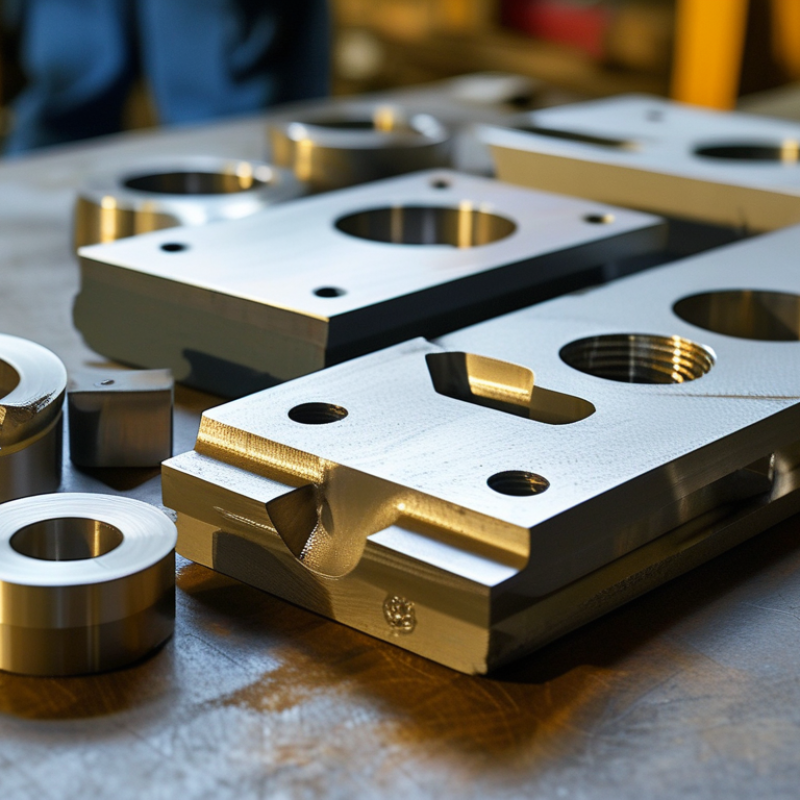
When selecting custom metal stampings, understanding key factors is crucial. The type of material, for instance, influences durability and functionality. Steel, aluminum, and brass are common choices. According to industry reports, steel accounts for over 60% of all metal stampings due to its strength and versatility. However, lightweight alternatives like aluminum are vital for projects requiring reduced weight.
Design complexity is another aspect to consider. Intricate designs may require advanced manufacturing techniques, which can impact lead times and costs. It is essential to balance design needs with budget limitations. A study highlighted that up to 30% of production costs stem from design inefficiencies. Evaluating manufacturer capabilities can help avoid unnecessary expenses or time delays.
Quality assurance processes also play a significant role in selecting a stamping partner. Ensure that the manufacturer follows strict quality control standards to meet industry requirements. Many companies use certifications such as ISO 9001 to demonstrate their commitment. In this context, customer feedback and reviews can provide insights into reliability.
Be clear about project expectations. Clear communication reduces misunderstandings. Understanding material properties is essential. Not every metal is suitable for every application. Test samples before finalizing an order. This step can prevent costly mistakes later on. Always assess the trade-offs in design, material, and cost. Clarity, flexibility, and thorough research are pivotal.