Request Quote

Request a quote from Nidec Drive Technology America Corporation.

This quote form is intended for customers and partners in North America seeking information about Nidec Drive Technology America Corporation’s Precision Gearing Technologies. For inquiries related to the Nidec motor group division or from outside this region, please visit the global Nidec Group website to find the appropriate regional or product-specific contact.

Subscribe to Nidec Newsletter

Subscribe to our email newsletter to stay current with our precision gearing solutions, featured products, company updates, and industry news.

How to Choose Fish Meal Rendering Equipment in 2026?

Choosing Fish Meal Rendering Equipment in 2026 requires more than comparing motor power or advertised capacity. The decision should begin with raw-material reality: whole fish, trimmings, seasonal species, and variable moisture. FAO’s The State of World Fisheries and Aquaculture 2024 reported 185 million tonnes of aquatic animal production in 2022. It also found that 89% was used for direct human consumption. This increases the importance of efficient by-product recovery and responsible processing.

The global supply picture remains sensitive. IFFO’s annual market reports place fishmeal production near the five-million-tonne range, although landings, quotas, and raw-material quality can change results. The OECD-FAO Agricultural Outlook 2024–2033 also highlights continuing demand for aquaculture feed and pressure on resource efficiency. Therefore, the best Fish Meal Rendering Equipment should match feedstock conditions, not merely brochure figures. Buyers should examine cooker temperature control, screw-press yield, dryer energy use, odor treatment, hygienic design, and cleanability. A practical factory test matters. Put wet trimmings through the line.

Energy performance deserves careful attention. A dryer that saves fuel at full load may perform poorly during low-season operation. Measure steam consumption, final moisture, protein retention, and oil recovery under several production rates. Automation should record these results continuously, while operators retain safe manual control. Traceability also supports customer confidence and audit readiness.

There is no universal machine. A compact modular line may suit a coastal plant, while a larger facility may need redundancy and remote diagnostics. Some supplier claims remain difficult to verify. Ask for reference sites, independent test data, spare-parts lead times, and lifecycle costs. The cheapest installation can become expensive when corrosion, downtime, or unstable product quality appears.

How to Choose Fish Meal Rendering Equipment in 2026?

Understanding Fish Meal Rendering Equipment and Its Core Functions

How to Choose Fish Meal Rendering Equipment in 2026?

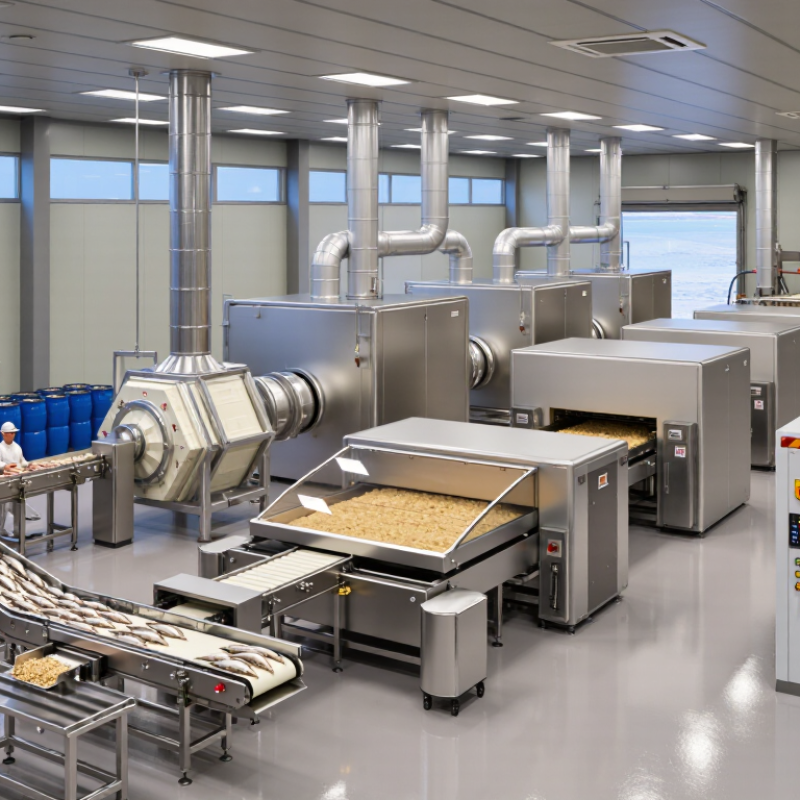
Fish meal rendering equipment converts raw fish or trimmings into a stable, protein-rich meal. Its core functions include cooking, pressing, drying, separating, grinding, and conveying. Each stage affects moisture, protein quality, energy use, and workplace hygiene. A cooker must heat material evenly, while a press removes liquid without crushing equipment excessively.

Look closely at capacity, moisture targets, steam demand, and corrosion resistance. Stainless steel contact surfaces can improve sanitation and service life. The dryer needs accurate temperature control because overheating may reduce nutritional value. A strong separation system also helps recover fish oil and limits waste. Small details matter, such as access doors, drain points, inspection windows, and replacement-part availability.

In real plant evaluations, operators often focus on hourly output first. That can be a mistake. A machine producing more meal may consume excessive energy or require frequent cleaning.

One uncomfortable lesson is that simple equipment is not always easier to manage. Automated controls can stabilize temperature and moisture, but poorly trained staff may misuse them.

I would question every claimed performance figure and request test data under comparable raw-material conditions. Fresh fish, fatty trimmings, and seasonal materials behave differently. The best choice supports stable operation, clear maintenance routines, and measurable product quality rather than impressive numbers alone.

Assessing Raw Material, Production Capacity, and Processing Requirements

How to Choose Fish Meal Rendering Equipment in 2026?

Raw material should guide equipment selection, not the other way around. FAO’s The State of World Fisheries and Aquaculture 2024 reported 185 million tonnes of global aquatic animal production in 2022. However, species, freshness, fat content, and by-product ratios vary sharply. Small pelagic fish often release oil quickly, while poultry or seafood processing by-products may require different grinding and cooking controls. Inspect incoming material for moisture, bones, scales, and contamination risks. A representative sampling plan matters. One bad batch can distort the entire design.

Production capacity must reflect real operating conditions. IFFO’s 2023 market review placed global fishmeal production at roughly five million tonnes annually, showing the scale of this mature industry. Yet a factory rated at 10 tonnes per hour may deliver less after washing, maintenance, seasonal shortages, and moisture losses. I would calculate capacity from daily raw material availability, not the advertised peak rate. Leave practical headroom. Around 15% can protect schedules, though local supply may justify more.

Processing requirements determine the equipment sequence. A typical line may need reception, size reduction, cooking, pressing, drying, milling, screening, and odor control. High-moisture material demands stronger dewatering performance. Heat-sensitive meals need careful drying temperatures to protect protein quality. The IFFO Fishmeal and Fish Oil Guide emphasizes controlled processing and traceability for consistent ingredient quality. Still, energy use deserves closer attention. FAO data shows aquaculture consumed 130.9 million tonnes of aquatic animal products in 2022, increasing pressure for dependable feed ingredients. I would compare steam demand, cleaning time, operator access, and effluent load before approving a final layout. Some assumptions will be wrong. Testing remains essential.

How to Choose Fish Meal Rendering Equipment in 2026?

Raw-material composition and estimated water evaporation load are key inputs when sizing cooking, pressing, drying, and evaporation equipment.

The chart uses representative planning values for whole fish and fish trimmings. Evaporation is estimated from raw-material moisture and a final meal moisture of 8%, assuming the non-water solids are retained. Higher moisture increases dryer and vapor-system demand, while higher lipid content increases the need for effective pressing, oil separation, and oxidation control. Final equipment capacity should be confirmed through raw-material testing and the required daily throughput.

Comparing Rendering Technologies, Energy Use, and Product Quality

How to Choose Fish Meal Rendering Equipment in 2026?

Choosing rendering equipment requires more than comparing purchase prices. In pilot evaluations, wet rendering often preserves soluble proteins well, but it needs substantial steam and wastewater control. Dry rendering can reduce water use, yet excessive heat may darken the meal and reduce protein quality. Vacuum drying offers gentler evaporation, although its electrical demand can rise sharply without effective heat recovery.

Energy performance should be measured per tonne of finished meal, not per operating hour. Check steam consumption, motor loads, condensate recovery, and drying time under realistic fish moisture levels. A heat exchanger can reuse vapor energy from the dryer. That detail matters. Still, calculated savings may disappoint when equipment runs below capacity. Seasonal raw material changes also affect energy results.

Product quality depends on temperature control, residence time, and fast separation of oil, solids, and water. Ask suppliers for data on moisture, crude protein, oxidation indicators, and biogenic amines. In practical trials, install sensors near the cooker outlet and dryer discharge. Small temperature swings can become large quality differences. I would also test cleaning access and maintenance time, because neglected surfaces can contaminate later batches. No test is perfect. Repeat trials with different fish sizes and fat levels before selecting the final configuration.

Evaluating Equipment Materials, Automation, Maintenance, and Safety

How to Choose Fish Meal Rendering Equipment in 2026?

Evaluating Equipment Materials, Automation, Maintenance, and Safety

Choosing fish meal rendering equipment in 2026 starts with the product stream, not the sales brochure. Stainless steel contact surfaces resist salt, heat, and repeated washing. However, not every stainless alloy performs equally near chlorides. Ask for material certificates, weld inspection records, and corrosion testing. Smooth internal finishes reduce residue around seams and access doors. Small defects become large hygiene problems.

Automation should control temperature, pressure, residence time, and moisture with traceable records. Sensors need calibration access, not just impressive screens. A reliable system should trigger alarms before overheating, bearing failure, or abnormal steam use. Manual override remains essential during sensor faults. Too much automation can hide weak process understanding. Operators still need clear training and simple local controls.

Maintenance planning should include removable guards, lockout points, inspection windows, and spare wear parts. Check screws, shafts, pumps, seals, and conveyors under actual load. A five-minute inspection can prevent an unplanned shutdown, although maintenance schedules are often too optimistic. Safety improves when hot surfaces are insulated and platforms provide secure footing. Request documented risk assessments, emergency stops, and cleaning procedures. Then test them under realistic conditions, not only during commissioning.

Selecting Suppliers, Calculating Costs, and Planning for 2026 Growth

How to Choose Fish Meal Rendering Equipment in 2026?

Planning for 2026 growth starts with demand, not machinery. FAO’s State of World Fisheries and Aquaculture 2024 reported 185 million tonnes of aquatic animal production in 2022. Aquaculture supplied 51% of that volume. This supports steady demand for consistent fishmeal, but supply quality remains uneven.

Compare suppliers through factory visits, reference projects, and documented performance tests. Ask for moisture, protein, ash, digestibility, and oxidation results from similar raw materials. Check whether the equipment handles seasonal fish sizes without excessive downtime. A shiny brochure is not evidence. Request a sample batch.

Calculate the full cost per finished tonne. Include purchase price, installation, steam, electricity, labor, maintenance, wastewater treatment, and rejected product. For example, a 10-tonne daily line should be tested against realistic operating hours, not ideal capacity. IFFO market reports commonly track global marine ingredient production near five million tonnes annually, so efficiency matters in a competitive market. However, local energy prices can change the result sharply. Small errors compound.

Build three scenarios: conservative, expected, and expansion. Reserve space for extra drying capacity, storage bins, and quality-control equipment. OECD-FAO Agricultural Outlook 2024-2033 expects aquaculture’s share of aquatic food production to keep rising. That trend is useful, but it is not a guarantee. Recheck raw-material access, financing, and skilled maintenance before signing. Test before scaling.

How to Choose Fish Meal Rendering Equipment in 2026? - Selecting Suppliers, Calculating Costs, and Planning for 2026 Growth

Decision Area Planning Metric 2026 Reference Range or Target How to Evaluate Budget or Growth Implication
Raw Material Capacity Fresh fish or by-product input 1–5 metric tons per hour for a small-to-medium plant Size equipment for average throughput, peak landings, moisture content, and seasonal supply. Select approximately 15–25% spare capacity if raw material supply is expected to grow.
Fish Meal Yield Finished meal recovered from raw material Typically about 18–25% of raw fish input, depending on species and composition Request performance data based on the buyer’s actual raw material analysis rather than generic catalog figures. Higher yield improves revenue, but excessive drying can reduce protein quality and increase energy use.
Final Moisture Moisture remaining in fish meal Usually targeted at 8–10% for stable storage Confirm automatic moisture control, sampling procedures, and uniformity across the product stream. A stable moisture level reduces spoilage risk and avoids unnecessary thermal energy consumption.
Protein Preservation Thermal exposure and product quality Use low-temperature or controlled-temperature processing where premium meal quality is required Compare cooker temperature control, residence time, indirect heating, and laboratory quality results. Better quality may support a higher selling price but can require a higher initial equipment cost.
Core Process Equipment Required process stages Cooking, pressing, drying, grinding, screening, conveying, and odor control Check whether the quotation includes the complete process line or only individual machines. Incomplete scope can create 10–20% or more in additional installation and integration costs.
Indicative Equipment Cost Capital expenditure for a complete line Approximately USD 250,000–1,500,000 for small-to-medium processing lines Compare equivalent capacity, materials of construction, automation, utilities, freight, and commissioning scope. Use a project-specific quotation; capacity, corrosion protection, and environmental controls cause major price differences.
Installation and Civil Works Costs outside the equipment quotation Allow approximately 15–30% of equipment purchase cost Include foundations, building modifications, piping, electrical work, insulation, commissioning, and local permits. Underestimating site work is a common cause of budget overruns and delayed production.
Energy Consumption Thermal and electrical energy per raw-material input Compare supplier guarantees using the same moisture, throughput, and operating-hour assumptions Request separate steam, fuel, electricity, and water figures at rated and reduced loads. Energy-efficient drying and heat recovery can materially reduce operating cost over the equipment life.
Operating Cost Calculation Cost per metric ton of raw material Use: labor + energy + maintenance + water + packaging + waste disposal Build a monthly model using actual local wages, utility tariffs, working days, and raw-material availability. Separate fixed costs from variable costs to understand the effect of lower seasonal utilization.
Labor Requirement Operators per shift Often 3–8 operators per shift for a semi-automated small-to-medium line Confirm automation level, cleaning duties, laboratory checks, material handling, and maintenance coverage. Automation may increase capital cost while reducing labor dependence and process variation.
Supplier Technical Support Installation, training, and after-sales response Require documented commissioning, operator training, spare-parts lists, and response commitments Evaluate service coverage, technician availability, troubleshooting procedures, and remote-support capability. A lower purchase price may be uneconomical if downtime and imported spare-parts lead times are high.
Materials of Construction Corrosion and hygiene resistance Use corrosion-resistant steel in wet, salty, and product-contact areas where appropriate Verify material grades, weld quality, drainage, access panels, and cleanability. Higher corrosion resistance can reduce repairs and extend service life in marine environments.
Environmental Controls Odor, wastewater, dust, and emissions management Include condensate handling, odor treatment, dust collection, and wastewater planning Request emission assumptions and confirm compliance with local environmental requirements before purchase. Environmental equipment can add 10–25% to project cost but reduces approval and community-risk exposure.
Payback Screening Simple payback period Target a project-specific payback supported by conservative production and selling-price assumptions Formula: total installed investment ÷ annual incremental operating cash flow. Run low, base, and high scenarios for raw-material volume, meal price, energy cost, and downtime.
2026 Expansion Planning Future capacity and modularity Reserve space, utilities, control-panel capacity, and connection points for a future 20–30% expansion Ask whether conveyors, boilers, dryers, and odor systems can be upgraded without replacing the entire line. Modular design may increase initial planning cost but lowers future expansion disruption and downtime.
Procurement Timeline Time from order to production Plan approximately 6–12 months for engineering, fabrication, shipping, installation, and commissioning Obtain a milestone schedule covering design approval, factory testing, delivery, site readiness, and performance testing. Order critical long-lead components early and include schedule contingency before the 2026 peak season.

Planning note: The ranges shown are general budgeting benchmarks for preliminary evaluation. Actual performance and investment requirements depend on fish species, raw-material moisture and fat content, local utility prices, labor costs, environmental regulations, plant layout, operating hours, and the selected process configuration.