How to Choose the Right Post Press Machine for Your Business?
Choosing the right Post Press Machine for your business can be a daunting task. According to James Thompson, an expert in the printing technology industry, “Selecting the correct Post Press Machine is crucial for efficiency and product quality.” His insight highlights the importance of making informed decisions.
With various options available, understanding the features of these machines is essential. Each model offers different capabilities. For instance, some are good for binding, while others excel in folding. The right choice depends on your production needs and budget.
Mistakes can happen if you rush the selection process. A machine that looks good on paper may not fit your actual workflow. Engaging with industry professionals and doing thorough research can help prevent costly errors. Evaluating customer reviews and case studies can provide real-world insights into performance. Make sure to weigh all factors carefully to ensure that your investment aligns with your business goals.
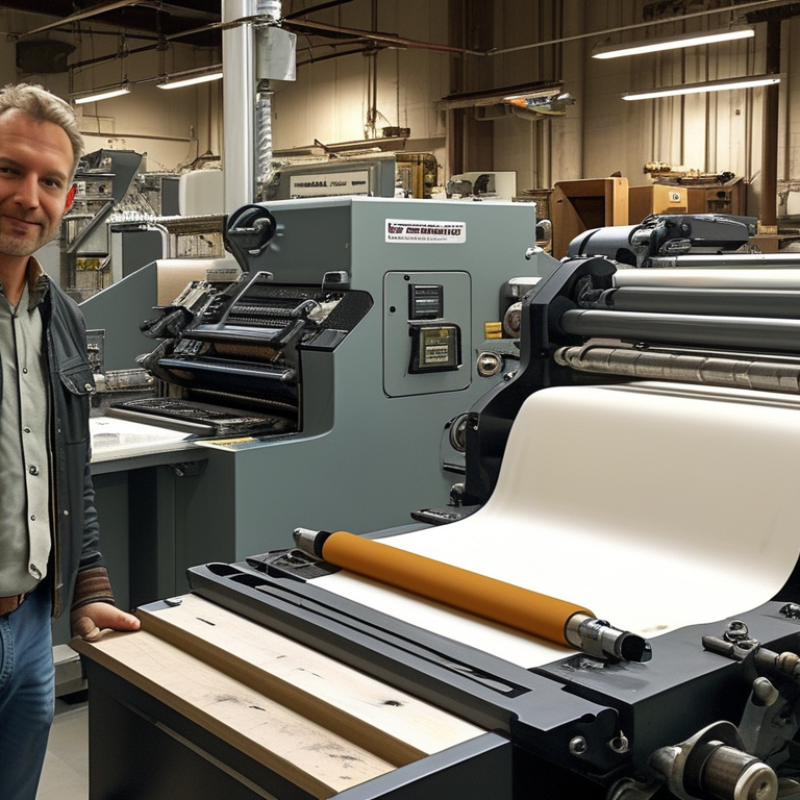
Understanding the Different Types of Post Press Machines Available
Choosing the right post-press machine for your business can greatly impact efficiency and output quality. Understanding the different types of post-press machines available is key to making an informed decision. These machines include horizontal and vertical die-cutters, folder gluers, and laminators, each serving distinct purposes in the finishing process.
For instance, according to industry research, the global post-press market is projected to grow at a CAGR of 4.1% from 2021 to 2026. This demonstrates the increasing demand for efficient post-press solutions. Horizontal die-cutters are ideal for intricate designs, while folder gluers are perfect for assembling boxes and other packaging. Laminators, on the other hand, enhance the durability of printed materials.
Tip: Evaluate your specific needs before making a choice. Determine the volume of production and types of materials you will handle. This helps avoid purchasing equipment that may be underutilized or overly complex.
Another factor to consider is the ease of operation. Some machines come with advanced technology features that can streamline the process but may also require extensive training. Your team’s adaptability is crucial. Balancing high-tech options with your current skill set can lead to a smoother operation.
Tip: Prioritize machines that offer a good balance between automation and user-friendliness. Ensure your workforce can adapt without excessive downtime.
Post Press Machine Types and Their Usage in Businesses
Identifying Your Business Needs and Production Volume
When selecting a post press machine, understanding your business needs and production volume is critical. Reports indicate that over 70% of printing companies fail to estimate their production requirements accurately. This leads to underperformance or overinvestment in machinery. Knowing your output goals can significantly help in making the right choice.
Assessing current production volume gives insights into machine capacity. For example, if your business handles 1,000 to 5,000 prints a day, a medium-sized machine would suffice. However, businesses with high-volume outputs exceeding 10,000 prints daily may require more advanced machinery. According to industry studies, about 60% of production efficiencies come from matching equipment to output needs.
Production tends to fluctuate seasonally. Many businesses underestimate seasonal peaks. As demand rises, having the correct machine ensures efficiency and timely delivery. Conversely, if the machine exceeds your requirements, it may lead to wasted resources. Hence, reflecting on your business cycle and historical data is crucial for informed decisions. It can minimize errors and enhance productivity significantly.
Evaluating Cost vs. Performance for Post Press Machines
When evaluating cost vs. performance for post-press machines, it's essential to find the right balance. Costs can vary widely based on features and capabilities. High-performance machines often come with a hefty price tag, but they also offer superior efficiency and precision. Businesses must assess their specific needs to justify the investment. A more expensive machine may lead to quicker turnaround times and better product quality, which can translate into higher revenue.
Consider the volume of work and types of materials you often handle. If your business focuses on high-quality, detailed projects, investing in a robust machine may pay off. However, if your output is lower, a less expensive model might suffice. Analyze the long-term cost of ownership, including maintenance and energy consumption. Low upfront costs can sometimes mask higher operational expenses.
Reflecting on user experiences can provide valuable insights. Many users report that while cheaper machines are appealing, they often underperform in critical areas. This feedback emphasizes the importance of testing machines before purchase. Take time to evaluate different options and weigh their long-term benefits against immediate savings.
Considering Space and Integration Within Your Facility
When selecting a post-press machine, considering your facility's space and integration is essential. The size of your workspace impacts the type of machines you can use. A compact machine may be necessary for smaller shops. Measure your floor area accurately before making a decision. Is there enough room for maintenance access? It’s a critical point often overlooked.
Integration with existing systems is also vital. Your new machine should fit seamlessly with current workflows. Evaluate how it interacts with shipping, storage, and production areas. A poorly integrated system can lead to bottlenecks. It’s worthwhile to run through potential challenges. Ask your team for input on layout and functionality. Their insights might reveal issues you hadn’t considered.
Don't rush this decision. Often, businesses focus solely on machine capabilities. However, if the machine disrupts your workflow, it can lead to frustration. Identify potential obstacles early on. This step will save time and resources in the long run. Balancing space with functionality can make a significant difference in your operations.
Researching Maintenance and Support Options for Longevity
When choosing a post press machine, maintenance and support options are crucial. Data from industry reports indicates that 70% of businesses experience unplanned downtime due to equipment failure. Regular maintenance can significantly reduce this risk. Scheduling preventive maintenance helps identify issues early. It can extend the lifespan of your equipment by up to 30%. Engaging with reliable technical support also plays a key role in ensuring longevity.
Understanding the availability of parts and support is essential. 65% of operators prefer machinery from suppliers that offer comprehensive service agreements. Such agreements should cover replacement parts and technical advice. Furthermore, training for your staff can minimize operational errors. A well-trained team can decrease misfeed incidents by 25%. This not only saves time but also reduces wear and tear on machines.
Investing time in research is vital. Look for testimonials and case studies from similar businesses. While some companies may provide exceptional service, others may fall short. Be cautious in your assessment. Gathering data on machine reliability and support will pay dividends. Prioritizing these aspects can lead to a more productive and cost-effective operation in the long run.