How to Choose the Right Power Cable Tray for Your Needs?
Choosing the right Power Cable Tray is crucial for any electrical installation. According to industry expert John Smith, "Selecting the right cable tray can significantly enhance performance and safety." This emphasizes the importance of making informed choices.
Power Cable Trays come in various materials and designs, each tailored to specific needs. Factors like weight load, environmental exposure, and installation space play a vital role. Many overlook these aspects, leading to potential issues, such as cable overheating or physical damage. It's easy to skim over details during selection, but doing so can lead to costly mistakes.
Understanding your requirements is essential. A well-chosen Power Cable Tray not only supports cables effectively but also contributes to the longevity of your electrical systems. Yet, many projects still face challenges due to improper tray selection. It’s a reminder of the need for careful consideration and expert guidance in this critical area.
Understanding the Purpose of Power Cable Trays
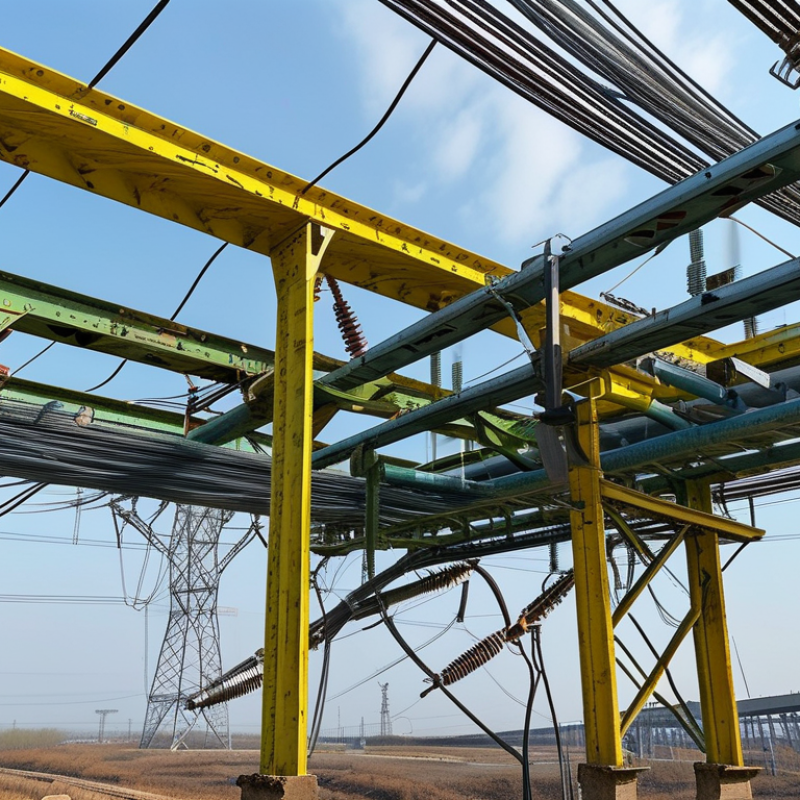
Power cable trays serve a critical role in managing electrical cabling systems. They help organize and protect cables, reducing the risk of damage during installation or maintenance. Choosing the correct tray can enhance safety and efficiency in both residential and commercial settings. It is essential to understand the specific requirements of your project before selection.
Consider the environment where the cable trays will be installed. Factors like temperature, humidity, and exposure to chemicals can all affect performance. For instance, a humid environment may require trays made from corrosion-resistant materials. The weight and volume of cables also play a significant role. Overloading a tray can lead to sagging or breakage.
Additionally, the design of the cable tray can influence your choice. Some systems are open and allow for easy access, while others provide better protection against external elements. Reflect on how much space you need and how the cables will be routed. A poorly planned layout can lead to difficulties in future modifications. Understanding these aspects helps ensure you choose the right power cable tray, preventing costly and frustrating issues down the line.
Identifying Your Specific Cable Management Needs
When evaluating your cable management needs, consider the environment. Are you dealing with a dusty warehouse or a humid basement? The placement and protection of cables differ vastly in these conditions. Recognizing the specific challenges will guide your choice of tray material and design.
Assess the volume of cables you'll manage. A single tray may suffice for a few cables, but multiple trays might be necessary for complex setups. Think about future expansion too. What if you need to add more cables later? Choosing a flexible tray design can save you reinstallation headaches down the line.
Visualize your workspace. Is it cluttered or organized? This perception shapes how you'll use your cable trays. A messy environment can lead to oversight. You may overlook critical wires in chaos. Taking time to rethink your layout can enhance both safety and accessibility. It's okay to revise your initial plan as you dive deeper into your specific needs.
Power Cable Tray Types and Their Usage
Evaluating Material Types for Durability and Safety
Choosing the right power cable tray involves focusing on material types to ensure durability and safety. The two most common materials used are steel and aluminum. A recent industry report indicates that steel trays can endure harsh conditions. They resist heavy loads and harsh environments. However, steel is susceptible to corrosion, which can compromise longevity. On the other hand, aluminum is lighter and resistant to corrosion. It is ideal for environments with high humidity. Yet, aluminum might not handle heavy loads as effectively as steel.
Durability is vital in selecting cable trays. A study found that over 30% of cable failures result from poor cable management. Using high-quality materials can reduce these risks. Additionally, safety regulations often dictate the materials used in industrial settings. For instance, using flame-resistant materials can prevent fire hazards. Evaluating local codes and guidelines can inform decisions, ensuring compliance and safety.
The choice between materials also affects installation ease. Steel trays can require specialized tools for installation. Conversely, aluminum trays are often more straightforward to handle. This can save time and labor costs. Each material presents pros and cons. Prioritizing the application’s specific needs can guide the optimal choice for cable management solutions.
Choosing the Right Size and Design for Your Space
When selecting a power cable tray, size and design play crucial roles. Start by assessing your space. Measure the dimensions of the area where the tray will be installed. Remember, a tray that’s too small may lead to crowded cables, creating a fire hazard. A tray that’s too large can waste valuable space. Aim for a balance that supports your needs.
Design is equally important. Consider the type of cables you'll use. Different materials and shapes can impact efficiency. For instance, perforated trays allow for better ventilation. Solid trays offer more protection. Noticing this difference can save future headaches. Think about the aesthetics as well. A well-chosen design integrates seamlessly into your environment, enhancing overall appeal while maintaining functionality.
It’s easy to overlook the installation process when selecting a tray. Ensure it allows for easy access for maintenance. This aspect is often neglected in planning. A tray that’s difficult to reach can complicate cable management later. Validating these choices early on can prevent costly adjustments down the line. Adjust your approach based on your findings to ensure the best fit for your application.
Considering Installation and Maintenance Requirements
Selecting the right power cable tray requires careful consideration of installation and maintenance needs. A well-planned installation can reduce future costs. According to the National Electrical Manufacturers Association (NEMA), proper installation can minimize the risk of electrical failures by up to 30%. This highlights the importance of durable materials and thoughtful design in choosing trays.
Maintenance is equally critical. Regular checks can prevent wear and tear. The Institute of Electrical and Electronics Engineers (IEEE) suggests that proactive maintenance protocols can lead to a 20-25% decrease in unexpected outages. This data reinforces the idea that a power cable tray’s configuration should allow for easy access. Getting to cables quickly saves time and reduces downtime.
Understanding specific environmental conditions also plays a role. For outdoor installations, weather-resistant features might be imperative. An estimate from a 2022 report noted that improper outdoor setups increased maintenance costs by 15%. Assessing these factors ensures your selection caters to long-term sustainability and efficiency.
How to Choose the Right Power Cable Tray for Your Needs? - Considering Installation and Maintenance Requirements
| Cable Tray Type | Material | Load Capacity | Installation Requirements | Maintenance Considerations |
| Ladder Tray | Steel | Up to 1500 lbs | Requires support every 10 feet | Low maintenance, inspect for corrosion |
| Cable Tray | Aluminum | Up to 1200 lbs | Supports needed every 6-8 feet | Minimal maintenance, clean regularly |
| Solid Bottom Tray | Fiberglass | Up to 1000 lbs | Mounting brackets every 5 feet | Requires UV protection checks |
| Wire Basket Tray | Steel Wire | Up to 200 lbs | Easy installation with clips | Occasional cleaning required |
| PVC Cable Tray | PVC | Up to 300 lbs | Lightweight, easy to install | Low maintenance, check for damage |